
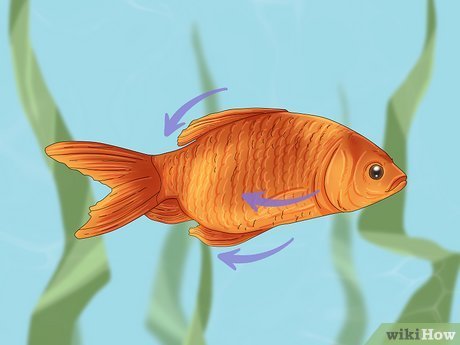
Fish swimming sideways usually signals a buoyancy or neurological problem that needs prompt attention.
I have studied aquarium health and worked with hobbyists and vets for years, so I know when fish swimming sideways is a simple hiccup or a sign of a serious issue. This article explains why fish swim sideways, how to diagnose likely causes, practical steps to help affected fish, and prevention tips you can use today. Read on for clear, experience-based guidance and easy actions to save stressed fish and restore normal swimming behavior.

Why fish swim sideways: common causes and core concepts
Fish swimming sideways most often means the fish has lost normal control of buoyancy or balance. Problems with the swim bladder, inner ear (otoliths), nervous system, or body injuries all can cause a fish to tilt, roll, or lie on its side.
Swim bladder dysfunction is the top cause. The swim bladder is an internal gas-filled organ that keeps the fish neutrally buoyant. When it fails, the fish cannot keep level and can roll or float on one side. Other causes include head trauma, bacterial or parasitic infections, poor water quality, chemical exposure, or congenital deformities that change body density.
Understanding the mechanics helps you prioritize action. If you know whether the issue is buoyancy (swim bladder), balance (inner ear/neurological), or external stress (water quality or injury), you can pick the right immediate steps. In many cases quick stabilization and correct water conditions lead to recovery.

Signs that indicate why a fish is swimming sideways
Look for these clear signs when a fish is swimming sideways. Each points to different underlying causes and guides what to do next.
- Difficulty staying upright or floating on one side while still responsive to stimuli
- Spinning or rolling continuously while trying to swim
- Hanging vertically or head-down position
- Bloating or a visibly swollen belly near the midline
- Frayed fins, wounds, or cloudy eyes suggesting infection or injury
- Gasping at the surface, rapid gill movement, or lethargy indicating water quality stress
Combine behavior with tank readings. Check temperature, ammonia, nitrite, nitrate, and pH immediately. Poor water chemistry can cause or worsen swim bladder problems and neurological stressors, resulting in the fish swimming sideways.

Common species and behaviors: who’s most at risk
Some species are more prone to swim bladder issues and to fish swimming sideways. Body shape, diet, and genetic factors play a role.
- Top-heavy or deep-bodied species: Fancy goldfish and certain cichlids often develop buoyancy problems.
- Surface feeders: Fish that gulp air or eat floating food can swallow air and trigger swim bladder issues.
- Young or old fish: Juveniles may have congenital issues and older fish may develop organ dysfunction.
- Saltwater species: Some marine fish suffer ear stones or inner ear issues that affect balance, but presentation can differ from freshwater species.
Knowing your species’ typical vulnerabilities helps you react faster when you first notice fish swimming sideways.

Diagnosis: how to tell swim bladder vs. neurological vs. environmental causes
Diagnosing why a fish is swimming sideways requires systematic checks. Use observation, tank tests, and simple isolation steps.
- Observe mobility: If the fish swims normally when pushed gently, it may be buoyancy-related. If it continues to spin or shows asymmetric movements, suspect neurological or inner ear damage.
- Physical signs: A swollen or distended belly suggests swim bladder or constipation. Open sores or ulcers point to infection.
- Water tests: Test ammonia, nitrite, nitrate, pH, and temperature. Toxic spikes often cause abnormal swimming and stress.
- Quarantine evaluation: Move the fish to a quarantine tank with the same water conditions and minimal flow to see if symptoms improve or persist.
If the fish improves in a calm environment and after fasting or saline soak, swim bladder issues were likely. If symptoms persist or worsen, seek veterinary diagnosis for possible neurological disease.
Treatment and immediate steps when you see fish swimming sideways
When a fish swims sideways, act quickly but calmly. Immediate steps can stabilize the fish and improve outcomes.
- Correct water quality: Perform a large partial water change and confirm stable temperature and safe chemical levels.
- Fast the fish: Stop feeding for 24–48 hours to reduce gut-related buoyancy issues from constipation.
- Offer a salt soak: For freshwater fish, a mild Epsom salt bath (1–3 teaspoons per gallon in quarantine tank) can reduce swelling and relieve buoyancy issues. Limit soak time and monitor closely.
- Provide low flow and cover: Reduce filter flow and add hiding places to let the fish rest without fighting currents.
- Feed softened foods: Later, offer cooked peas (shelled) or sinking pellets to relieve constipation if that was suspected.
- Seek vet care: If the fish shows neurological signs, open wounds, or gets worse, consult an aquatic veterinarian for antibiotics or specialized care.
Quick, methodical actions often resolve mild cases of fish swimming sideways. Severe or persistent cases need professional attention.

Preventing fish swimming sideways: husbandry and best practices
Prevention reduces the risk that any fish will start swimming sideways. Routine care, proper diet, and careful stocking are key.
- Maintain pristine water: Regular partial water changes and routine testing prevent toxic spikes that stress organs.
- Feed appropriate foods: Avoid only feeding dry flakes to species prone to air gulping; soak flakes or offer sinking foods and vegetables occasionally.
- Avoid overfeeding: Feed small amounts once or twice a day and remove uneaten food after a few minutes.
- Quarantine new arrivals: Keep new fish isolated for 2–4 weeks to catch infections early.
- Monitor tankmates and aggression: Injuries from nipping can lead to infections that cause balance issues.
- Stable temperature: Keep temperature within species-specific ranges to prevent metabolic stress that can affect buoyancy.
Good husbandry is the most effective long-term strategy against fish swimming sideways.
My experience: real cases, mistakes, and practical tips
In my years keeping aquariums and advising hobbyists, I’ve seen many fish swimming sideways cases. Once, a fancy goldfish began tilting after we introduced dried peas to its diet; a two-day fast and a pea feed cured it. Another time, a marine tang developed balance problems after a rough transfer; it turned out to be an inner-ear injury and the fish required a vet-prescribed antibiotic.
Lessons I learned
- Don’t panic: Quick, calm fixes often help.
- Isolate early: Quarantine lowers stress and makes treatment easier.
- Check water first: Most problems worsen with poor water quality.
- Use simple remedies first: Fasting, Epsom salt soaks, and gentle diet changes are low-risk and often effective.
These practical steps reflect hands-on experience and are easy to apply at home.

Related concepts and deeper context
Understanding adjacent topics helps prevent and treat fish swimming sideways more effectively.
- Swim bladder anatomy and physiology: Gas regulation involves gulping, blood gas exchange, and physical pressure; disruptions cause buoyancy problems.
- Otoliths and balance: Fish ears use tiny stones called otoliths; damage or displacement affects spatial orientation.
- Lateral line system: Damage to this sensory system can alter how a fish senses water flow and position.
- Environmental toxins: Heavy metals and chemical contaminants can lead to neurological signs and abnormal swimming.
- Genetics and morphology: Selective breeding of deep-bodied fish increases the risk of chronic buoyancy disorders.
This context helps you see fish swimming sideways as a symptom of broader health, environment, or genetic factors.

Quick PAA-style questions and concise answers
Why is my fish suddenly swimming sideways?
- Sudden sideways swimming usually points to swim bladder distress, injury, or poor water quality. Start by testing water parameters and isolating the fish for observation.
Can a fish recover from swimming sideways?
- Many fish recover with proper care within days to weeks if the cause is constipation or mild swim bladder inflation. Persistent neurological damage or severe infections require professional treatment.
Will fasting help a fish swimming sideways?
- Yes, fasting for 24–48 hours reduces gut load and can relieve pressure on the swim bladder if constipation is the cause. Follow with a soft-food feeding like deshelled pea.
Is Epsom salt safe for treating buoyancy issues?
- Epsom salt can help reduce edema and ease buoyancy problems for freshwater fish in a controlled quarantine soak. Use recommended dosages and monitor the fish closely.
When should I see a vet for fish swimming sideways?
- See an aquatic veterinarian if the fish worsens, has open sores, or shows neurological signs like continuous spinning. Veterinary care is also needed for valuable or rare species.
Frequently Asked Questions about fish swimming sideways
Why is my goldfish swimming sideways?
Goldfish often swim sideways because of swim bladder issues, constipation, or genetic body shape. Try fasting, soaking peas, and improving water quality to help recovery.
How do I know if it's swim bladder disease?
If the fish floats upside down or on its side but otherwise responds normally, swim bladder disease is likely. Look for bloating and test water chemistry to rule out other causes.
Can water temperature cause a fish to swim sideways?
Yes. Rapid or prolonged temperature changes can disrupt metabolism and buoyancy, leading to unstable swimming. Maintain steady temperatures suitable for your species.
Are infections a common cause of sideways swimming?
Bacterial and parasitic infections can cause inflammation, organ damage, or nervous system effects that lead to sideways swimming. Signs often include redness, sores, or abnormal mucus.
What immediate steps should I take if my fish is swimming sideways?
First, test and correct water quality, then isolate the fish and reduce feeding. Consider an Epsom salt soak and consult a vet if symptoms do not improve quickly.
Can overcrowding lead to fish swimming sideways?
Overcrowding raises stress, lowers oxygen, and increases waste, all of which can contribute to organ dysfunction or infections that cause sideways swimming. Keep stocking levels appropriate.
Conclusion
Fish swimming sideways is a clear symptom that something is off — often buoyancy, balance, or water quality — and quick, calm action can make a big difference. Use the steps here: test the water, isolate the fish, try simple remedies like fasting and Epsom salt soaks, and consult a vet for persistent or severe cases. Put these prevention and monitoring habits into practice to protect your fish and maintain a healthy tank. If you found this guide useful, try the steps, share your experience, or subscribe for more practical aquarium care tips.
