
Fish gasping surface usually signals low oxygen, poor water quality, or acute stress.
I have cared for dozens of tanks and treated many cases of fish gasping surface. This article explains what causes fish to gasp at the surface, how to respond fast, and how to stop it from happening again. I will share clear steps, real-life tips from my aquarium experience, and simple tests you can run today to protect your fish.
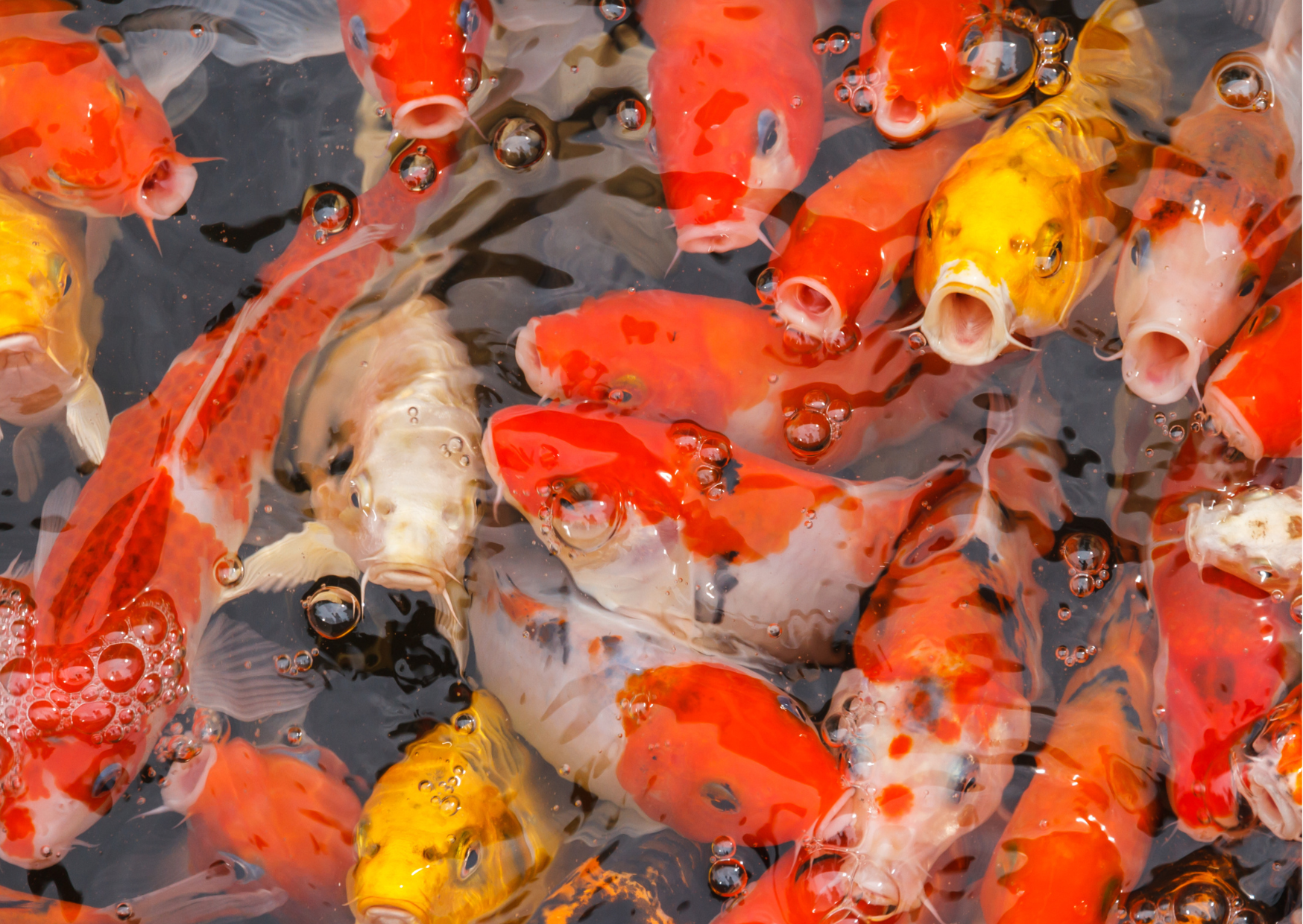
What does "fish gasping surface" mean?
"Fish gasping surface" describes fish staying at the top of the tank and repeatedly opening their mouths. This behavior often shows they struggle to get enough oxygen from the water. It is an urgent sign that something in the tank needs attention. Knowing the likely causes helps you act fast and save stressed fish.
Common causes of fish gasping surface
- Low dissolved oxygen: Warm water holds less oxygen, and plants or bacteria can use up oxygen quickly.
- High temperature: Temperature spikes reduce oxygen and raise fish metabolism, increasing demand.
- Ammonia or nitrite toxicity: High levels of these chemicals damage gills and reduce oxygen uptake.
- Poor water circulation: Stagnant water near the surface or filter failures lower oxygen transfer.
- Overcrowding: Too many fish raise oxygen demand and waste levels in the tank.
- Surface film or oil: A slick on the water surface blocks gas exchange.
- Disease and gill parasites: Infections or parasites can impair gill function and cause gasping.

Signs to look for with fish gasping surface
Fish at the surface with open mouths is the most obvious sign. Watch for fast gill movement, which shows increased breathing effort. Also look for lethargy, clamped fins, or rubbing against surfaces. Combine these signs with water tests to pinpoint the problem.
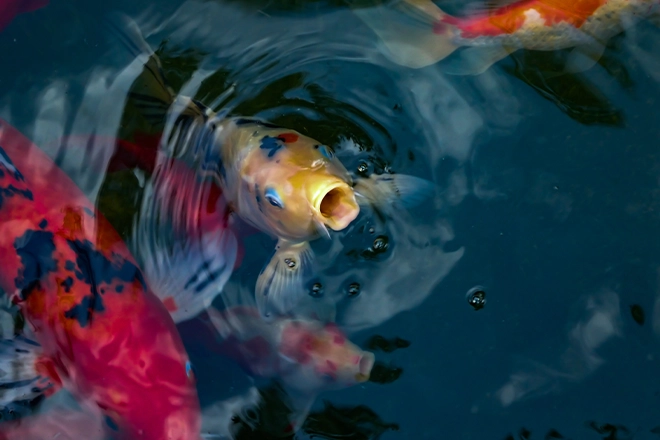
Immediate actions to take when you see fish gasping surface
- Test water quickly for ammonia, nitrite, and temperature. Act on bad readings right away.
- Do a 20–50% partial water change to dilute toxins and add oxygen-rich water.
- Increase surface agitation by adjusting filter outflow or adding an air stone. More movement boosts gas exchange.
- Lower temperature slightly if it is high. Cooler water holds more oxygen.
- Remove sick or dead fish and stop feeding until the tank stabilizes.
These steps often stabilize fish while you diagnose the root cause. Fast action makes a big difference.
:strip_icc()/GettyImages-1343085391-1b0e478a780a40598d45bc25ccf066a7.jpg)
Diagnosing water parameters and what to look for
- Ammonia: Any detectable ammonia is dangerous. Watch for burning gills and red fins.
- Nitrite: Even low nitrite harms oxygen transport in fish blood.
- Nitrate: High nitrate is less acute but indicates poor water quality and can stress fish.
- pH: Sudden pH swings can shock fish and affect gill function.
- Temperature: Check against species needs; many tropical fish prefer 74–80°F (23–27°C).
- Dissolved oxygen: Low DO readings confirm hypoxia as the cause of fish gasping surface.
Test kits are cheap and fast. Repeat tests after actions like water changes to confirm improvement.

Tank setup and long-term prevention for fish gasping surface
- Proper filtration: Choose a filter rated for your tank size and species. Clean it regularly.
- Surface agitation: Ensure water moves at the surface to promote gas exchange.
- Adequate aeration: Use air stones or powerheads to keep oxygen levels steady.
- Stocking levels: Follow recommended stocking guides; avoid overcrowding.
- Regular maintenance: Weekly partial water changes and substrate vacuuming reduce toxins.
- Live plants and buffering: Plants help oxygen during the day but can lower oxygen at night; balance plants and aeration.
A stable environment is the best defense against fish gasping surface problems.

Personal experience: lessons learned from rescuing gasping fish
Once I found several tetras gasping surface after adding a large driftwood piece. The wood raised tannins and dropped pH slightly, while summer heat warmed the tank. I did a quick water change, added an air stone, and shifted the tank lid to reduce temperature. The fish recovered in hours. My key lesson: make one change at a time and monitor water every day after modifications.

Common mistakes to avoid when addressing fish gasping surface
- Ignoring tests: Guessing without testing can waste time and harm fish.
- Overreacting with large water changes: Massive swaps can shock fish; do partial changes.
- Adding medications blindly: Some treatments stress gills more and worsen gasping.
- Overfeeding during stress: Uneaten food raises ammonia and prolongs gasping.
- Relying on plants alone: Plants help, but they cannot fully replace proper aeration and filtration.
Avoiding these mistakes makes your response more effective and faster.

Frequently Asked Questions of fish gasping surface
Why are my fish gasping at the surface suddenly?
Sudden gasping usually means a rapid drop in oxygen or a spike in toxins like ammonia. Check temperature and run quick water tests for ammonia and nitrite right away.
Can low oxygen cause fish to die quickly?
Yes. Severe hypoxia can kill fish within hours if not corrected with aeration or water changes. Acting fast often saves lives.
Will adding plants stop fish gasping surface?
Plants help oxygen during the day but may not be enough at night or in hot water. Combine plants with good aeration and filtration for reliable results.
Is it safe to move fish to another tank if they are gasping?
Moving fish can help if the new tank has better oxygen and stable water parameters. Acclimate them carefully to avoid shock.
How often should I test water to prevent fish gasping surface?
Test weekly for ammonia, nitrite, nitrate, pH, and temperature in stable tanks. Test daily when you notice fish gasping surface or after big changes.
Conclusion
Fish gasping surface is a clear red flag that your tank needs attention. Test water, increase aeration, do careful partial water changes, and correct temperature or chemical issues. Use steady maintenance, proper stocking, and the right equipment to prevent future episodes. Take one clear step today: run a quick water test and add surface movement if you see gasping. If this guide helped, try the steps now, subscribe for more tips, or leave a comment about your tank situation.
