
Fish hide suddenly because of stress, poor water, illness, or abrupt changes in their environment.
As a longtime aquarist with over 12 years of hands-on experience keeping freshwater and reef tanks, I’ve seen fish hide suddenly for many reasons. This guide breaks down causes, signs, troubleshooting steps, treatments, and prevention in clear, simple steps. Read on to learn how to spot when hiding is normal, when it’s dangerous, and what to do right away to help your fish thrive.
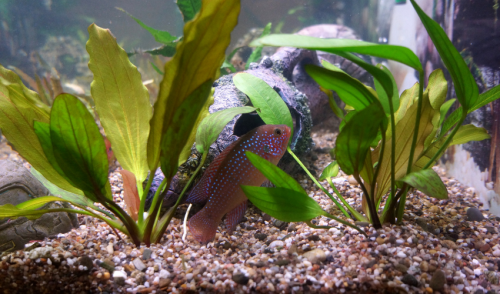 suddenly”
style=”max-width: 100%; height: auto; border: 2px solid black; border-radius: 10px; display: block; margin: 0 auto;”
loading=”lazy”
/>
Causes of fish hiding suddenly
Fish hide suddenly for many reasons. Some are harmless and short-lived. Others point to dangerous water quality or disease. Below are the most common causes and what they mean.
- Water quality problems: High ammonia, nitrite spikes, or low oxygen cause sudden hiding. Fish instinctually hide when water chemistry becomes unsafe.
- Sudden temperature changes: Rapid shifts in temperature shock fish and trigger hiding. Even a few degrees can matter for sensitive species.
- Stress from new tankmates or rearranged decor: New fish or changed layout can make fish hide suddenly to avoid perceived threats.
- Illness and parasites: Infections, parasites, and swim bladder issues make fish hide suddenly and act lethargic.
- Poor lighting or sudden light changes: Bright lights or flickering can scare fish into hiding suddenly.
- Breeding or territorial behavior: Some species hide suddenly during spawning or to protect fry.
- Predators or aggressive tankmates: Bullying or predator presence forces fish to hide suddenly for safety.
- Shipping and acclimation stress: Newly purchased fish often hide suddenly as they adjust to a new tank.

Common signs that hiding is a problem
Not all hiding is bad. Knowing the signs helps decide when to act. These short checks help you sort normal hiding from an emergency.
- Normal hiding: Short bouts, fish eat when offered, bright color, normal respiration. This often follows a change in routine.
- Concerning hiding: Refusal to eat, rapid breathing, clamped fins, visible spots, or pale color. These signs suggest water or health issues.
- Persistent hiding: If a fish hides for days and keeps away from others, test water and watch for disease signs.
- Night vs day hiding: Nocturnal species hide during the day. If a usually active fish hides suddenly in daylight, investigate.
People also ask
Why does my fish hide suddenly after a water change?
A water change that alters temperature, pH, or hardness can shock fish. Ensure new water matches the tank and make changes gradually.
Can hiding mean my fish is sick?
Yes. Hiding plus loss of appetite, rapid breathing, or visible lesions usually indicates illness. Quarantine and test water quickly.
Is it normal for fish to hide suddenly after adding tankmates?
Yes, new tankmates can raise stress and cause hiding as fish establish territory. Provide hiding spots and monitor aggression.

How to check tank conditions when fish hide suddenly
Quick checks help identify the cause of sudden hiding. Follow this simple sequence.
- Test water parameters immediately. Check ammonia, nitrite, nitrate, pH, and temperature with reliable test kits.
- Measure temperature at multiple points. Look for heaters that fail or drafts that cool the water suddenly.
- Inspect filtration and flow. A clogged filter or disrupted flow can lower oxygen and stress fish.
- Check oxygen and surface agitation. Low oxygen causes gasping and hiding; add aeration if needed.
- Look for recent changes. New decor, medication, or plants can release toxins or alter chemistry.
If tests show ammonia or nitrite above zero, take immediate partial water changes and reduce feeding. If pH shifted, research target levels for your species and correct slowly.

Medical issues and treatment when fish hide suddenly
Disease often causes fish hiding suddenly. Early action improves survival. Here’s how to proceed.
- Identify symptoms: Look for white spots, fuzzy growths, red streaks, bulging eyes, or odd swimming. Match signs to likely problems.
- Quarantine sick fish: Move affected fish to a hospital tank when possible. This stops spread and allows focused treatment.
- Common illnesses: Ich, fin rot, fungal infections, bacterial infections, parasites, and swim bladder disorder all cause hiding suddenly.
- Treatment basics: Use targeted medications for the diagnosed issue and follow dosage instructions carefully. Maintain excellent water quality during treatment.
- When to seek professional help: If you see rapid decline, internal bleeding, or unidentifiable symptoms, consult a vet or experienced aquarist.
Avoid blanket treatments without diagnosis. Incorrect meds can stress healthy fish and mask underlying water problems.
:strip_icc()/close-up-of-fish-swimming-in-aquarium-766411947-5a6e0923fa6bcc0037438647.jpg)
Behavior changes and stress reduction strategies
Reducing stress prevents hiding suddenly. Small adjustments often bring big improvements.
- Create stable routines: Feed at consistent times and maintain lighting schedules to reduce stress.
- Provide appropriate hiding spots: Use caves, plants, and rockwork so fish can retreat without being trapped.
- Avoid overcrowding: Too many fish raise aggression and stress, causing some to hide suddenly.
- Match tankmates by temperament: Keep peaceful species together and avoid mixing top predators with shy fish.
- Slow acclimation: Add new fish slowly and use drip acclimation for wild-caught or temperature-sensitive species.
- Reduce sudden changes: Make repairs, rearrangements, and water changes gradually to avoid shocking your fish.
Small, steady care habits can reduce episodes of fish hiding suddenly and improve wellbeing across the tank.

Preventive measures and routine maintenance
Consistent care prevents crises that make fish hide suddenly. Use a simple maintenance plan.
- Weekly partial water changes: Replace 10 to 30 percent depending on stocking and plant load.
- Regular testing schedule: Test ammonia, nitrite, nitrate, pH, and temperature at least weekly.
- Clean filters monthly: Rinse filter media in tank water and avoid replacing all media at once.
- Quarantine new fish for two to four weeks: Observe and treat any signs before mixing them into your main tank.
- Feed responsibly: Use measured portions and remove uneaten food to prevent spikes in waste.
- Monitor behavior daily: Watch for changes in activity, appetite, or hiding patterns.
Prevention cuts the chance your fish will hide suddenly for serious reasons.

Personal experience: lessons from tanks where fish hid suddenly
I once had a school of tetras start hiding suddenly after a heater failed overnight. The water temperature dropped six degrees. I noticed reduced activity the next morning. Immediate partial water changes, gentle warming, and extra aeration brought them back within 48 hours.
Another time, a shy cichlid hid suddenly after I added driftwood that leached tannins and lowered pH. After testing and doing small buffered water changes, the fish returned in a few days. Those experiences taught me to change one variable at a time and to keep spare test kits on hand.
Lessons learned
- Keep simple spares: an extra heater and test kit save fish.
- Change one thing at a time to spot the trigger.
- Slow fixes are safer than abrupt corrections for pH and temperature.

Frequently Asked Questions of fish hiding suddenly
Why is my fish hiding suddenly and not eating?
Fish often hide suddenly and refuse food due to stress or illness. Test water and look for other symptoms before treating.
Can sudden hiding be caused by poor water oxygen?
Yes. Low oxygen or high ammonia makes fish hide suddenly and gasp at the surface. Add aeration and test water right away.
Should I move a hiding fish to another tank?
Only if you can provide a proper quarantine or hospital tank. Moving without addressing the root issue can spread disease.
How long should fish hide before I worry?
If hiding lasts more than 24 to 48 hours with loss of appetite or odd breathing, act immediately by testing water and isolating the fish if needed.
Will more hiding spots reduce hiding behavior?
Providing secure hiding spots helps shy fish feel safe, but excessive hiding can still signal problems. Balance shelter with open areas and monitor behavior.
Is sudden hiding normal after a water change?
It can be. Sudden changes in chemistry or temperature during a water change can cause hiding. Match new water to tank conditions and change water slowly.
Conclusion
Fish hide suddenly for many reasons. Common causes include poor water quality, temperature shifts, stress, and disease. Use quick water tests, observe behavior, and act with calm, steady steps to help your fish. Start with basic checks and isolation when needed, then follow targeted treatments or habitat fixes. Try the routines here, watch your tank daily, and share your results or questions below to keep improving your aquarium care.
