
A fish bloated belly usually signals swim bladder issues, constipation, dropsy, parasites, or infection.
I’ve worked with aquarists and vets for years, treating fish bloated belly cases from goldfish to bettas. This guide explains causes, clear signs to watch for, step-by-step home care, prevention, and when to get a professional involved. Read on to learn practical, evidence-based steps you can apply today to help a swollen fish recover and protect the rest of your tank.
:strip_icc()/dropsy-in-aquarium-fish-1381806_FINAL-still-043089c8e10d42459e69585d0e24bb53.jpg)
Causes of a fish bloated belly
A fish bloated belly can come from many sources. Understanding the root cause helps pick the right treatment.
- Swim bladder disorder — A common cause is impaired swim bladder function that makes the belly look swollen and the fish float oddly.
- Constipation — Overfeeding or low-fiber diets can lead to a packed gut and visible belly swelling.
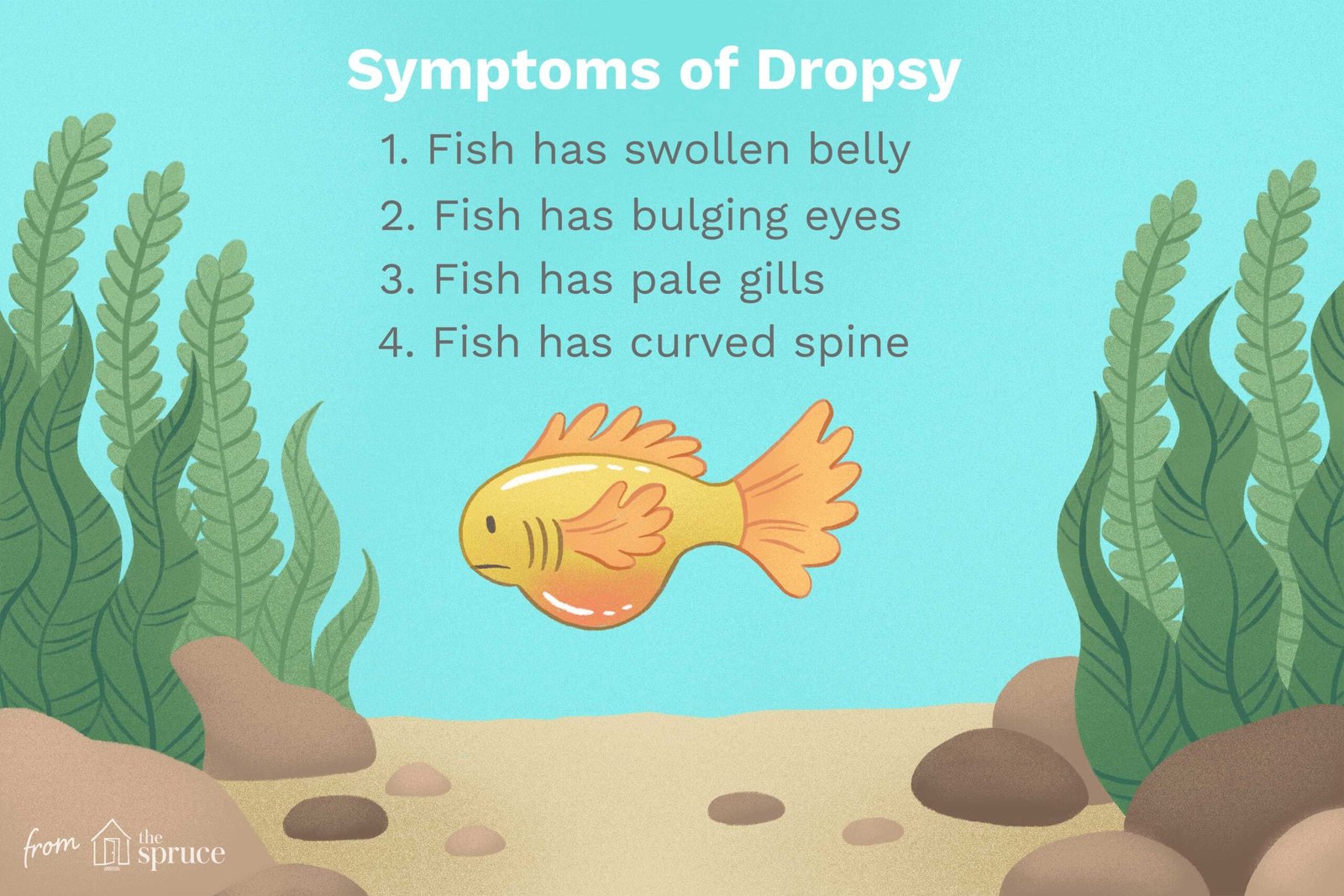
- Dropsy — Fluid buildup from organ failure or severe infection creates a hard, swollen belly and flared scales.
- Bacterial or parasitic infection — Internal infections can cause inflammation and fluid accumulation.
- Poor water quality — High ammonia, nitrite, or nitrate levels stress fish and worsen internal conditions.
- Tumors or internal masses — Less common, but tumors can make a belly look enlarged and persist despite treatment.
- Pregnancy or egg-binding — In livebearers or egg-laying fish, reproductive issues can appear as a bloated belly.
If your fish has a bloated belly, consider these causes together. Multiple issues can overlap, so observe behavior and water conditions closely.

Symptoms and signs to watch for
Look beyond size: the pattern of symptoms points to specific causes.
- Bulging or distended belly — The key visible sign for a fish bloated belly. Note whether it’s soft or hard to touch.
- Buoyancy changes — Floating on the side, sinking, or difficulty maintaining level often indicates swim bladder trouble.
- Appetite loss — Many fish with a bloated belly stop eating or eat less.
- Pineconing scales — Raised, separated scales usually indicate dropsy and require urgent care.
- Lethargy and hiding — Affected fish often rest or hide more than usual.
- Abnormal feces — Stringy, pale, or missing feces signal constipation or internal parasites.
- Clamped fins, reddened areas, or ulcers — Signs of infection accompanying the swelling.
Record these signs and photos. They help you track progress and assist a vet if you seek professional care.
:strip_icc()/GettyImages-1056417900-9d404c1573454d50b419133ea5766b43.jpg)
How to diagnose the cause of a fish bloated belly
Diagnosis starts with observation and basic tests you can do at home. More advanced diagnostics are available through aquatic vets.
- Observe behavior for 24–48 hours
- Note appetite, buoyancy, feces, and scale condition.
- Test water parameters
- Check ammonia, nitrite, nitrate, and pH. Poor water quality often worsens a fish bloated belly.
- Try a simple fasting and fiber test
- Fast the fish 24–48 hours, then feed a deshelled pea to see if constipation improves. Improvement suggests a digestive cause.
- Isolate sick fish in a hospital tank
- Isolation limits stress, prevents contagion, and allows controlled treatment.
- Consider veterinary diagnostics for persistent cases
- X-rays, fecal exams, or lab tests can identify tumors, internal parasites, or organ disease.
Keep a log of what you try and the fish’s response. That history speeds diagnosis by a vet if needed.

Treatment and home care for a fish bloated belly
Treatments depend on the likely cause. Start gently and escalate only if needed.
- Immediate steps for any swollen fish
- Move the fish to a clean hospital tank with stable temperature and aeration.
- Improve water quality with partial water changes and filter checks.
- For constipation or swim bladder linked to diet
- Fast the fish 24–48 hours. Then feed a cooked, deshelled pea once or twice to encourage bowel movement.
- Offer high-fiber foods and reduce overfeeding going forward.
- For mild edema or dropsy-like swelling (hobbyist approach)
- Epsom salt baths can help reduce fluid. Use a hospital tank and follow package or trusted hobby guidance; many hobbyists start with a low dose such as about 1 teaspoon per 5 gallons and monitor carefully. Consult a vet before using salts on delicate species.
- For suspected bacterial infections
- Treat with an appropriate antibiotic for aquarium fish, following product directions or vet advice. Avoid blind dosing of the main tank.
- For parasitic infections
- Use targeted anti-parasitic treatments based on symptoms and species. Quarantine and treat only the affected fish when possible.
- Monitor and adjust over 7–14 days
- Track appetite, feces, buoyancy, and belly size. Stop treatments that cause stress or deterioration.
Important cautions
- Always confirm species sensitivity before adding salt or medications.
- Avoid frequent, high-dose antibiotic use in the main tank — target treatment in a hospital tank when possible.
- If the fish worsens or shows pineconing scales, seek a vet promptly.

Prevention: stop a fish bloated belly before it starts
Focus on diet, water quality, and routine care to lower the risk of belly swelling.
- Feed balanced, species-appropriate meals and avoid overfeeding.
- Add fiber sources like peas for species that tolerate them.
- Quarantine new fish and plants for at least two weeks.
- Maintain regular water testing and changes to keep ammonia and nitrite at zero.
- Provide a varied diet to support gut health and immune function.
- Avoid sudden temperature swings and stress from overcrowding.
- Use trusted suppliers to reduce the risk of introducing disease.
Prevention is the easiest and cheapest way to reduce cases of a fish bloated belly over time.

When to seek veterinary help
Some signs mean it’s time to contact an aquatic veterinarian.
- Pineconing scales, severe swelling, or visible fluid retention.
- Bloody or missing feces, open sores, or severe lethargy.
- Long-term lack of response to home treatments over several days.
- Large or valuable specimens where you need a precise diagnosis.
- If you’re unsure whether medication or a procedure is safe for your species.
Bring clear photos, a water sample, and a history of treatments tried. A vet can run tests and prescribe exact treatments like systemic antibiotics or imaging if needed.

Personal experience and practical tips
I once rescued a goldfish with a striking fish bloated belly after an overenthusiastic feeder left it constipated. After a two-day fast and a single cooked pea, the fish passed waste and slowly recovered buoyancy over a week. I also used a brief low-dose Epsom salt soak in a hospital tank, which eased the swelling. Lesson learned: small, calm steps and careful water care beat frantic medication. Avoid repeating the overfeeding mistake and keep a weekly log for tank maintenance.

Frequently Asked Questions of fish bloated belly
What causes a fish belly to bloat so suddenly?
Sudden bloating often comes from swim bladder dysfunction, constipation, or acute infection. Rapid changes in water quality can also trigger sudden swelling.
Can a bloated fish get better on its own?
Mild cases from constipation or temporary swim bladder problems can improve within days with fasting and a pea. Persistent swelling or pineconing scales rarely resolve without treatment.
Is a bloated belly contagious to other fish?
The symptom itself is not contagious, but underlying infectious causes like bacteria or parasites can spread. Quarantine sick fish until you know the cause.
How long does it take for a fish bloated belly to go down?
Recovery time varies: constipation may improve in 1–7 days; infections or dropsy can take weeks and require treatment. Track progress daily and adjust care.
Are Epsom salt baths safe for all fish?
Not always. Many freshwater species tolerate low doses, but delicate or saltwater species may not. Always research species-specific tolerance and consult a vet if unsure.
Should I medicate the whole tank if one fish has a bloated belly?
It’s better to treat the affected fish in a hospital tank when possible. Whole-tank medication may be needed for tank-wide infections but carries risks for beneficial bacteria and sensitive species.
Conclusion
A fish bloated belly is a common but varied problem. By observing signs, testing water, trying simple treatments like fasting and peas, and isolating sick fish, you can often help a swollen fish recover. For severe or persistent cases, consult an aquatic veterinarian to get accurate diagnosis and safe treatment. Start with small, calm steps today: test your water, note symptoms, and try the gentle home remedies described — then seek professional help if needed. Share your experience in the comments or subscribe for more practical fish-keeping guides.
