
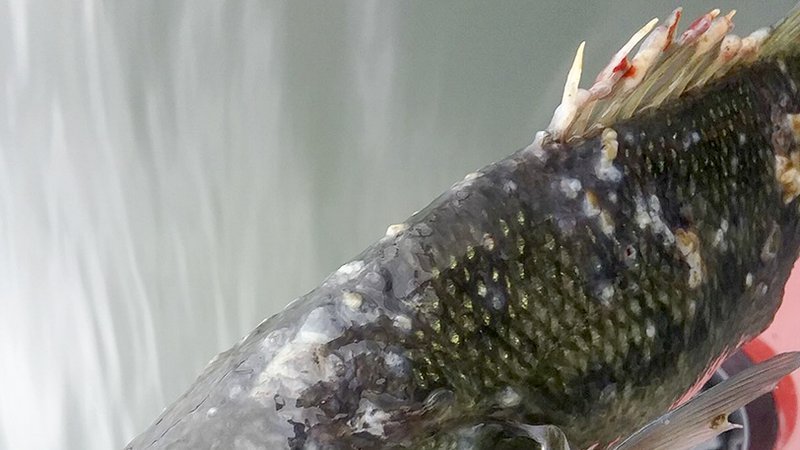
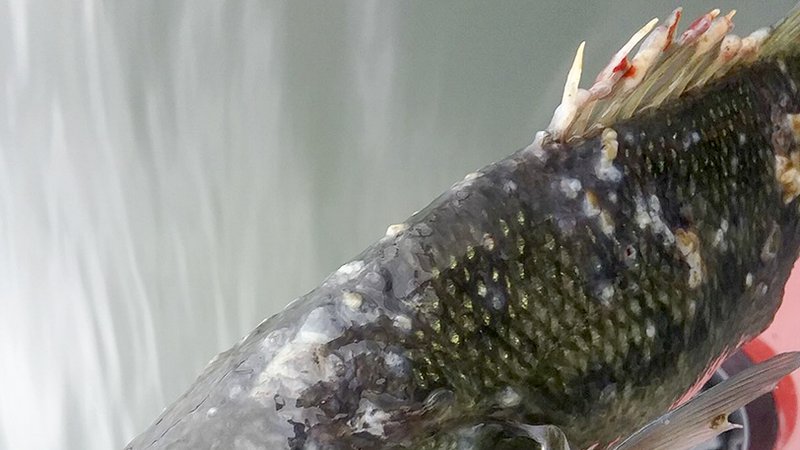
Fish fungus growth appears as cottony, white or gray patches on fish fins and skin.
I have treated and studied fish fungus growth for years in both tanks and ponds. I write from hands-on experience and from reading research. This guide explains what fish fungus growth is, why it happens, how to spot it, and clear steps to treat and prevent it. Read on to learn practical tips you can use today.
What is fish fungus growth?
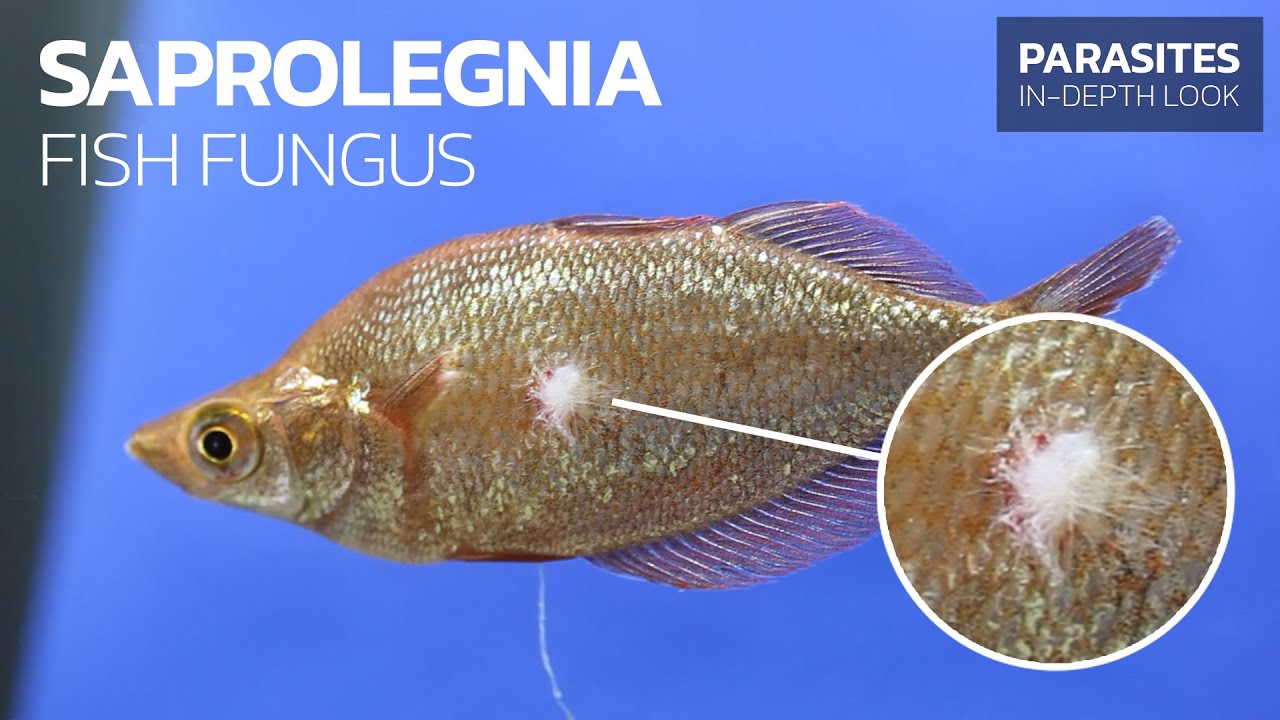
Fish fungus growth is a fungal infection that affects the skin, fins, and sometimes gills of fish. It often looks like white, gray, or cottony patches on the body. The fungus usually attacks fish that are stressed or injured. Understanding this helps you act fast and limit spread.
Common causes and risk factors
Fish fungus growth thrives when fish are weak or waters are poor. Here are main risk factors to watch for:
- Overcrowding. High fish density raises stress and disease risk.
- Poor water quality. High ammonia, nitrite, or low oxygen help fungus grow.
- Physical injuries. Scratches and bites give fungus a place to start.
- Sudden temperature change. Rapid shifts weaken fish immune defenses.
- New or infected stock. Adding new fish can introduce fungus.
Fish fungus growth is rarely the first problem. It usually follows stress or injury. Fixing root causes is key to control.
Signs and symptoms: how to spot it
Spotting fish fungus growth early makes treatment easier. Look for:
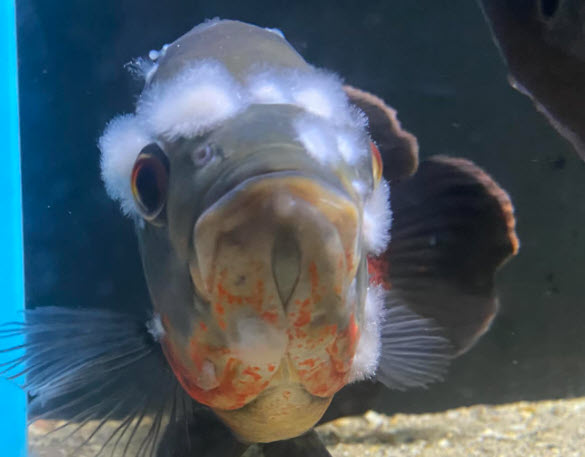
- Cottony tufts on skin or fins that look like mold.
- Fuzzy growth around wounds or torn fins.
- Lethargy, reduced appetite, and gasping at the surface.
- Increased rubbing against objects and minor loss of scales.
Use a magnifier in low light for small fish. Early lesions may look like slime or white film. Confirm with behavior changes plus visible growth.

Prevention: best practices for aquarium and pond
Prevention beats treatment when it comes to fish fungus growth. Follow these steps:
- Keep water clean with regular partial water changes.
- Test water weekly for ammonia, nitrite, nitrate, and pH.
- Avoid overcrowding and provide hiding spots to reduce stress.
- Quarantine new fish for at least two weeks before adding them.
- Feed a balanced diet to keep fish immune systems strong.
Good routine care reduces the chance of fish fungus growth greatly. Think of prevention as insurance.

Treatment options: step-by-step
Treating fish fungus growth needs care and patience. Use these steps:
- Isolate sick fish in a quarantine tank if possible. This stops spread.
- Improve water quality right away with a 25 to 50 percent water change.
- Clean any wounds gently with saline or clean water.
- Use antifungal medication formulated for fish, following label doses.
- Raise water temperature slightly if species allow; this can speed recovery.
- Continue treatment for several days after symptoms vanish.
If multiple fish are sick or treatment fails, consult an aquatic veterinarian. Misuse of meds can harm fish and beneficial bacteria.
Environmental control and water quality
Water matters most for preventing fish fungus growth. Keep these checks in your routine:
- Test kits on hand for key parameters.
- Filter media cleaned on a schedule, not all at once.
- Aeration and circulation to avoid low-oxygen zones.
- Remove uneaten food promptly.
- UV sterilizers can reduce free fungal spores in larger systems.
Good habits cut fungal risk and help fish recover faster when problems occur.

My experience and practical tips
I once treated a backyard koi pond with a fast outbreak of fish fungus growth after a storm. I did a big water change, removed debris, and treated injured fish in a small tub. Within a week, visible fungus receded and appetite returned. Key lessons I learned:
- Act fast. Delay lets fungus spread.
- Look for the trigger, not just the fungus.
- Use careful dosing of meds and repeat tests to track progress.
These hands-on steps are easy and low cost. They work in tanks and ponds alike.

Frequently Asked Questions of fish fungus growth
What causes fish fungus growth to start?
Fish fungus growth usually starts when fish skin is damaged or when water quality is poor. Stress and low immunity make infections more likely.
Can fish fungus growth spread to other fish?
Yes. Fish fungus growth spreads through water via spores and by direct contact. Quarantine sick fish to stop spread.
How long does treatment for fish fungus growth take?
Treatment often takes several days to two weeks depending on severity. Continue meds until signs are gone and fish behave normally.
Are there natural remedies for fish fungus growth?
Some hobbyists use salt baths, herbal extracts, or improved water and diet as mild treatments. These can help but may not replace proper antifungal meds for severe cases.
Will fish fully recover from fish fungus growth?
Many fish recover fully with timely care and good water. Deep or untreated infections can cause lasting damage or death.
Conclusion
Fish fungus growth is common but manageable with quick action, clean water, and the right treatment steps. Watch fish closely, fix water issues fast, and use quarantine and meds when needed. Start small changes now: test your water, reduce stressors, and set a quarantine routine. Try these tips, share what works, and leave a comment with your experience.
