
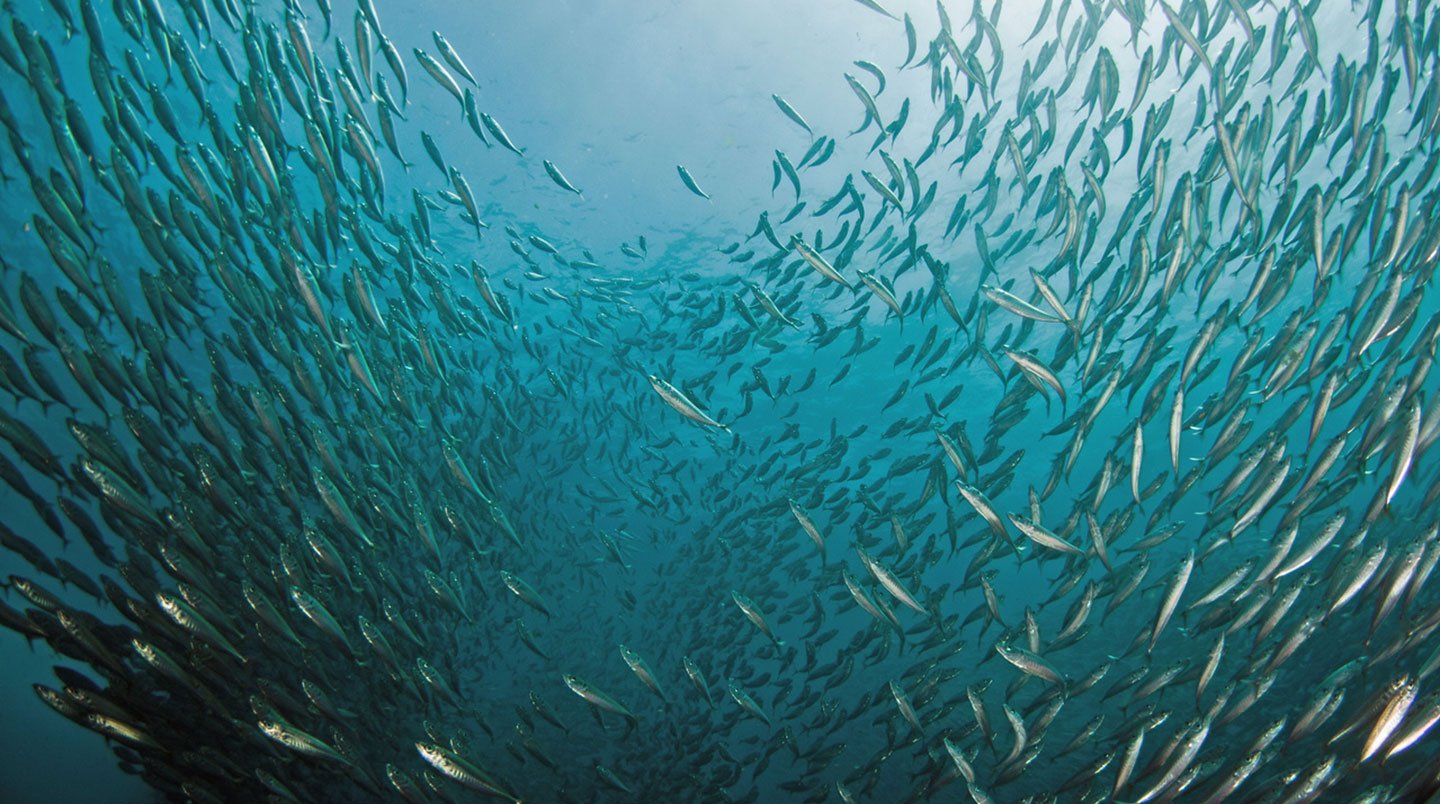
Fish darting around usually signals stress, feeding bursts, or sudden water changes.
I have kept and studied aquarium fish for over a decade. I write here to help you diagnose why your fish darting around and what to do. This guide blends hands-on experience with clear steps. Read on to fix the problem fast and keep your fish calm and healthy.
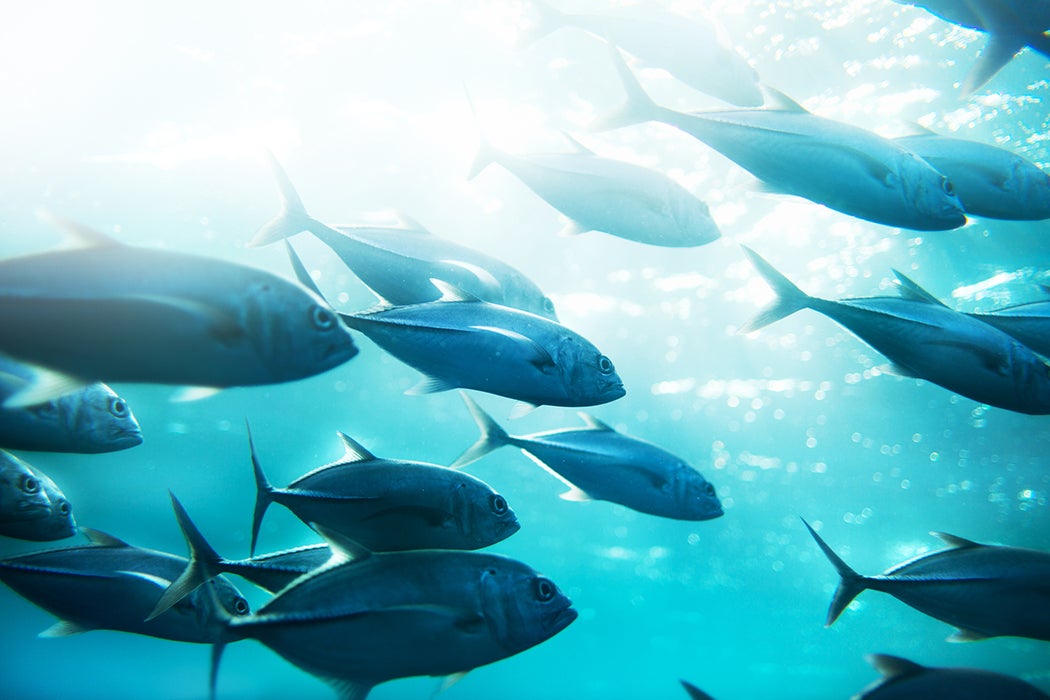
Why fish dart around: quick causes and meaning
Fish darting around is short, sudden swimming. It can be normal play or a sign of trouble. Causes fall into clear groups: environmental, social, feeding, and health. Understanding the cause helps you respond the right way.
Common reasons fish darting around:
- Startle reflex from noise, lights, or someone moving by the tank.
- Low or high water oxygen levels causing frantic movement.
- Rapid water chemistry change like ammonia or pH swings.
- Aggressive tankmates chasing others.
- Feeding excitement when food is added to the tank.
- Parasites or external disease causing irritation.
Fish darting around a little after feeding is normal. But sustained, frantic darting often points to stress or poor water. I learned this after losing a small schooling species to a sudden pH crash. Noticing the timing and other signs made the cause clear.
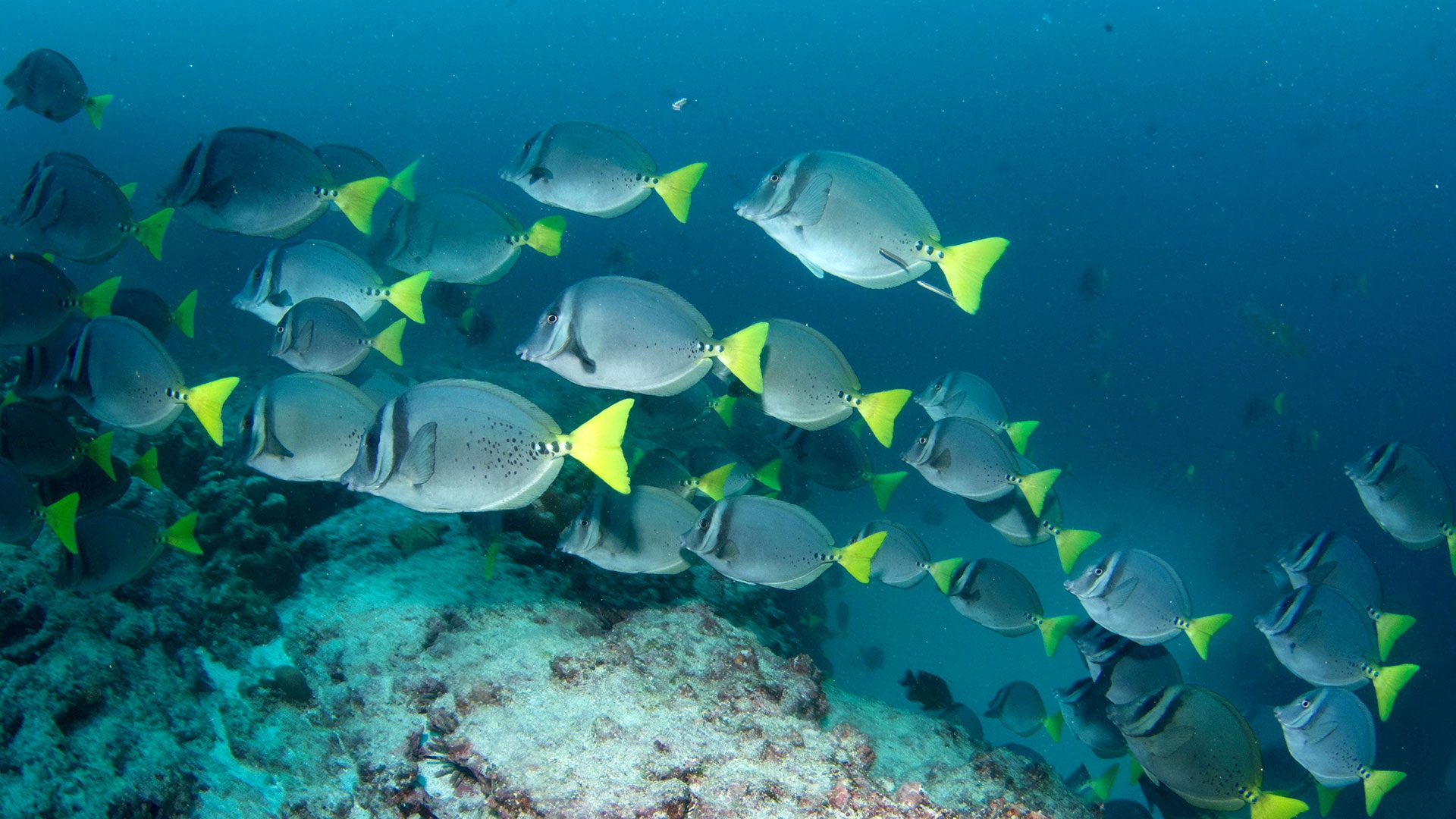
How to tell normal darting from dangerous darting
Not all fish darting around needs action. Watch for these clues to decide.
Signs of normal darting:
- Short bursts during feeding.
- Playful chase among healthy schooling fish.
- Quick darts when a light or shadow passes.
Signs of problem-related darting:
- Continuous frantic movement for minutes or hours.
- Fish rubbing on objects or gasping at the surface.
- Faded color, clamped fins, or labored breathing.
- Plants wilting or other fish behaving oddly.
When fish darting around aligns with gasping or fin clamping, act fast. I once fixed a tank by testing water and finding high nitrite. Changing water and boosting aeration calmed the fish in hours.

Common aquarium triggers for fish darting around
Identifying triggers makes prevention easier. Here are frequent aquarium causes.
Water quality issues:
- High ammonia or nitrite from overfeeding or filter failure.
- Big pH swings after adding coral sand or new decor.
- Low oxygen when the tank is crowded or the filter flow is weak.
Environmental shocks:
- Sudden bright light or loud noises near the tank.
- Large temperature swings after heater failure.
Social and behavioral triggers:
- Aggression from territorial species.
- Overcrowding that causes stress and chasing.
Medication or chemical exposure:
- New treatments or cleaners can irritate fish.
- Soap or aerosol fumes near the tank can harm gill function.
Keep a log of events when fish darting around occurs. Note time, recent changes, and any new additions. That log helps spot patterns fast.
Why Are Pond Fish Darting Around?
Outdoor pond fish face triggers a tank setup never sees. If your goldfish or koi are darting around the pond, these causes are worth checking before assuming illness.
Predator strikes and near-misses
- Herons, raccoons, cats, and even hawks flying overhead can send an entire pond into a frantic scattering. A predator doesn’t have to catch a fish, or even enter the water, to cause it — a shadow passing over the pond is often enough to trigger a panic response.
- Look for physical clues (scratches, missing fish, disturbed pond edges) rather than assuming water quality first if darting starts suddenly and the pond has no cover nearby.
Seasonal spawning behavior
- In late spring to early summer, once water warms to roughly 65–75°F (18–24°C), male goldfish and koi will chase egg-bearing females around the pond for hours at a time. This looks alarming but is normal breeding behavior, and it stops once the female releases her eggs.
- If this chasing happens outside the spring/summer spawning window, or continues for more than a few days without stopping, treat it as a sign of overcrowding or stress rather than spawning.
Pond-scale overcrowding
- Ponds need considerably more space per fish than tanks — general guidance is at least 20 gallons of pond volume per additional goldfish, and koi ponds need even more room. An undersized or overstocked pond drives the same chasing and territorial darting you’d see in an overcrowded tank, just at a larger scale.
Weather and exposure
- Unlike a heater-controlled tank, ponds are exposed to outdoor temperature swings, storms, and rain runoff. A sudden cold snap, a heavy rain event, or runoff carrying lawn fertilizer or pesticides into the pond can all trigger the same frantic, erratic swimming covered in the water-quality causes above — test your water after any major weather event before looking elsewhere.
A bare pond with no plants, rocks, or shaded areas also leaves fish with nowhere to retreat when startled, which can turn a brief scare into prolonged, repeated darting.

Step-by-step troubleshooting when fish are darting around
Follow this checklist to find and fix the problem.
- Observe and time the behavior.
- Note how long the fish darting around lasts.
- See if it follows feeding, light changes, or noise.
- Test water immediately.
- Check ammonia, nitrite, nitrate, pH, and temperature.
- Correct high ammonia or nitrite with a partial water change.
- Improve oxygen and flow.
- Add an air stone or increase filter output.
- Turn on surface agitation to raise oxygen.
- Check tankmates and remove aggressors.
- Move a bully fish to quarantine if needed.
- Reduce stocking if the tank is crowded.
- Reduce stimuli.
- Dim lights or cover part of the tank for a while.
- Close nearby doors or move noisy equipment.
- Inspect for disease.
- Look for flashing, white spots, or heavy mucus.
- Quarantine sick fish and treat per vet or guideline.
- Restore stability.
- Make small, gradual changes rather than large ones.
- Keep new water matched in temperature and pH before adding.
I fixed a frantic tank once by following steps 2 and 3. A heavy algae bloom had reduced oxygen overnight. A water change and two air stones stopped the fish darting around within an hour.
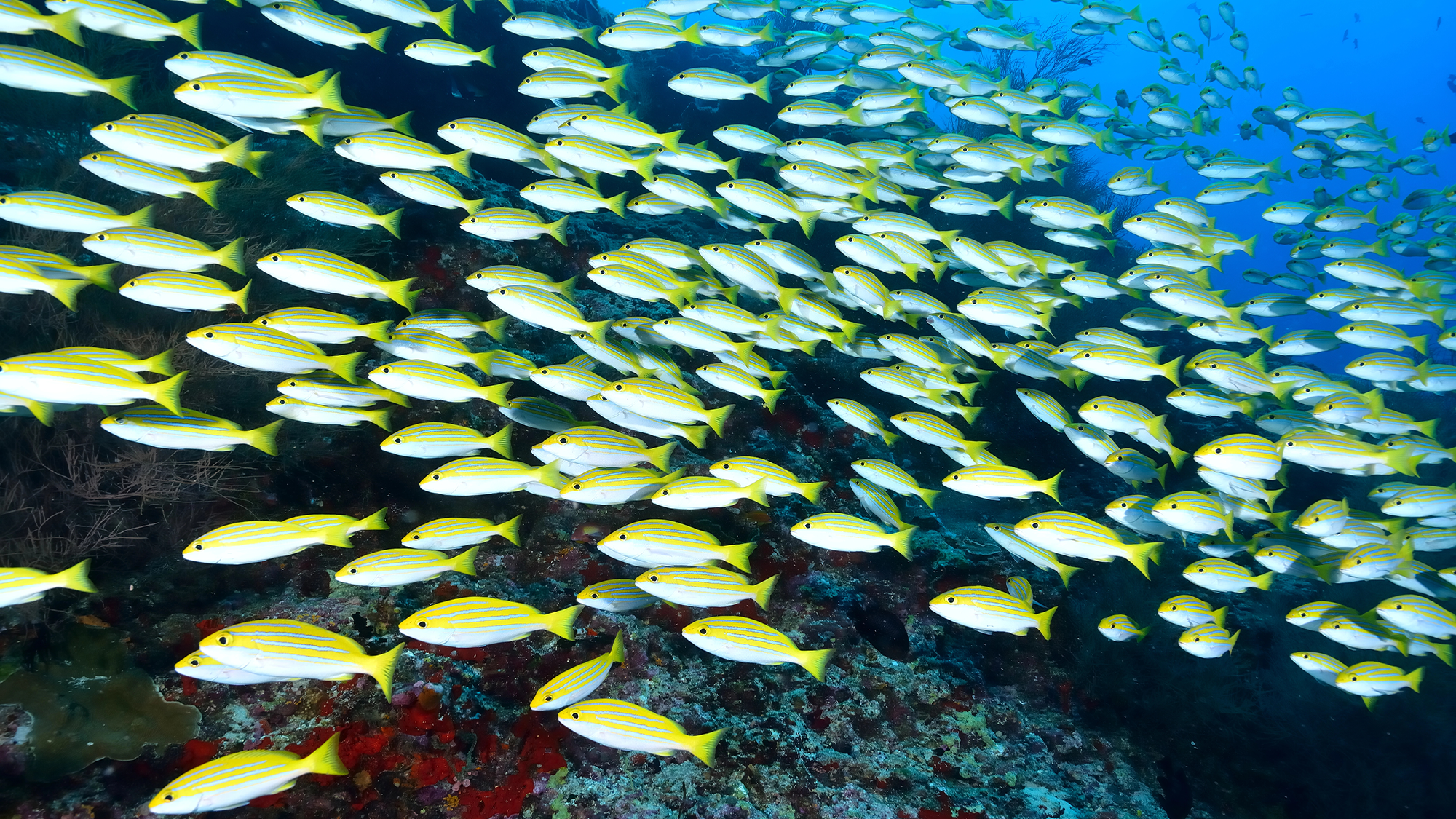
Preventative measures to reduce fish darting around
Prevention is easier than emergency fixes. Use these habits to keep fish calm.
Tank setup tips:
- Cycle the tank fully before adding fish.
- Use proper filter size for tank volume.
- Provide hiding spots and plants for shy fish.
Daily and weekly care:
- Feed small amounts twice a day instead of one big meal.
- Run a maintenance schedule for water tests and changes.
- Monitor temperature with a reliable heater and thermometer.
Behavioral and social planning:
- Research compatible species before adding them.
- Keep school fish in groups so they feel safe.
- Avoid adding aggressive or territorial species to small tanks.
Environmental design:
- Use dimmable lights or timers to simulate dawn and dusk.
- Place the tank away from doors, speakers, and heavy foot traffic.
These steps cut down on startle events and chronic stress that lead to fish darting around. Small, steady care makes a big difference long term.
When to seek professional help
Some signs mean you should get expert help.
Call a vet or experienced aquarist if:
- Fish show severe breathing trouble or long-lasting erratic swimming.
- Multiple fish show similar symptoms quickly.
- You suspect chemical poisoning or a major disease outbreak.
Be ready to provide water test results, photos, and a list of recent changes. That info helps diagnose the issue faster. I once sent pictures and water levels to a professional and avoided unnecessary medication thanks to their quick advice.
People also ask: brief answers to common questions
Here are short answers to common search questions about fish darting around.
Why is my fish darting around the tank suddenly?
Sudden darting often follows a shock like a loud noise, bright light, or rapid water change. Test water and check for nearby disturbances.
Does darting mean my fish is sick?
Not always. Short bursts can be normal. If darting is long and paired with other signs like gasping, disease is likely.
Can low oxygen cause fish to dart around?
Yes. Low oxygen makes fish swim frantically and gasp at the surface. Improve flow and add aeration to help.
Should I do a water change when fish are darting around?
A partial water change helps when tests show poor water quality. Change 20–50% and match temperature carefully.
How do I stop fish from darting around at night?
Reduce night-time lights and avoid tapping the tank. Provide hiding spaces and calm surroundings to lower night stress.
Is feeding causing my fish to dart?
Feeding can trigger quick darts as fish rush for food. Use smaller, frequent feedings to calm competitive feeders.
Can tankmates cause constant darting?
Yes. Aggressive or territorial fish will chase others, causing repeated darting. Rehome or quarantine the aggressor if needed.
Frequently Asked Questions of fish darting around
What immediate steps should I take if my fish are darting?
Turn off strong light, test water, and increase aeration. Observe for other symptoms and do a small water change if needed.
How long is too long for fish to be darting?
More than a few minutes of sustained frantic swimming is worrying. If behavior continues for over 10–15 minutes, begin troubleshooting.
Can medication cause more darting behavior?
Some treatments can irritate fish and increase darting. Always follow dosing and monitor fish closely after starting meds.
Will adding plants reduce darting?
Yes. Plants and hiding spots lower stress. Natural cover gives fish places to rest and feel secure.
Are some species more prone to darting than others?
Yes. Fast swimmers and schooling species often dart more during play or feeding. Territorial species may dart when defending space.
Why is my goldfish suddenly chasing another fish around the pond?
This is most likely spawning behavior. In spring and early summer, once water warms into the mid-60s to mid-70s°F, male goldfish chase egg-bearing females to encourage them to release eggs. It can look aggressive but usually resolves on its own within a week.
Can a predator cause my pond fish to dart even if nothing was caught?
Yes. Herons, raccoons, and even birds casting a shadow over the pond can trigger a panic response in the fish without ever touching the water. If darting starts suddenly with no water quality changes, check for tracks, disturbed pond edges, or overhead activity before assuming illness.
Conclusion
Fish darting around can be a simple burst of energy or a sign of stress and danger. Test your water, watch the timing, and take calm, steady steps to diagnose the cause. Use good tank setup, steady care, and gentle changes to prevent repeat episodes. Try one small change today—like adding an air stone or logging tank events—and see if your fish settle. If this guide helped, leave a comment or subscribe for more aquarium care tips.
