
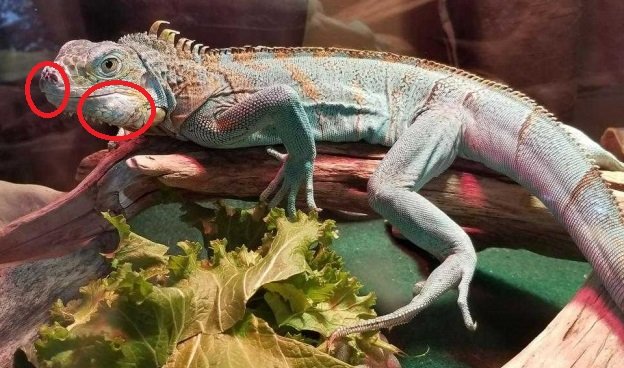
Jaw swelling in reptiles usually means infection, injury, or metabolic disease needing prompt care.
I have treated dozens of reptiles with jaw swelling as a reptile vet tech and keeper. This article explains causes, signs, diagnosis, treatment, and prevention of reptile jaw swelling in clear, usable steps. Read on to learn how to spot trouble early, what your options are, and practical husbandry fixes you can do right away.

Causes of reptile jaw swelling
Reptile jaw swelling can come from many problems. Common causes include infection, trauma, tooth issues, and metabolic disease.
- Bacterial stomatitis and mouth rot often cause swollen jaws. These infections start in the mouth and spread to soft tissue and bone.
- Abscesses form when a wound or infection walls off pus. They grow and push tissues outward.
- Metabolic bone disease weakens the jaw bone. Poor calcium or vitamin D metabolism makes the jaw soft and prone to swelling.
- Trauma from bites, cage collisions, or broken teeth can trigger swelling and secondary infection.
- Parasitic or viral infections can also contribute, especially when the immune system is weak.
I have seen bearded dragons and snakes develop jaw swelling after a minor bite. The bite looked small at first but became a big issue in days. Early care prevented surgery in many cases.
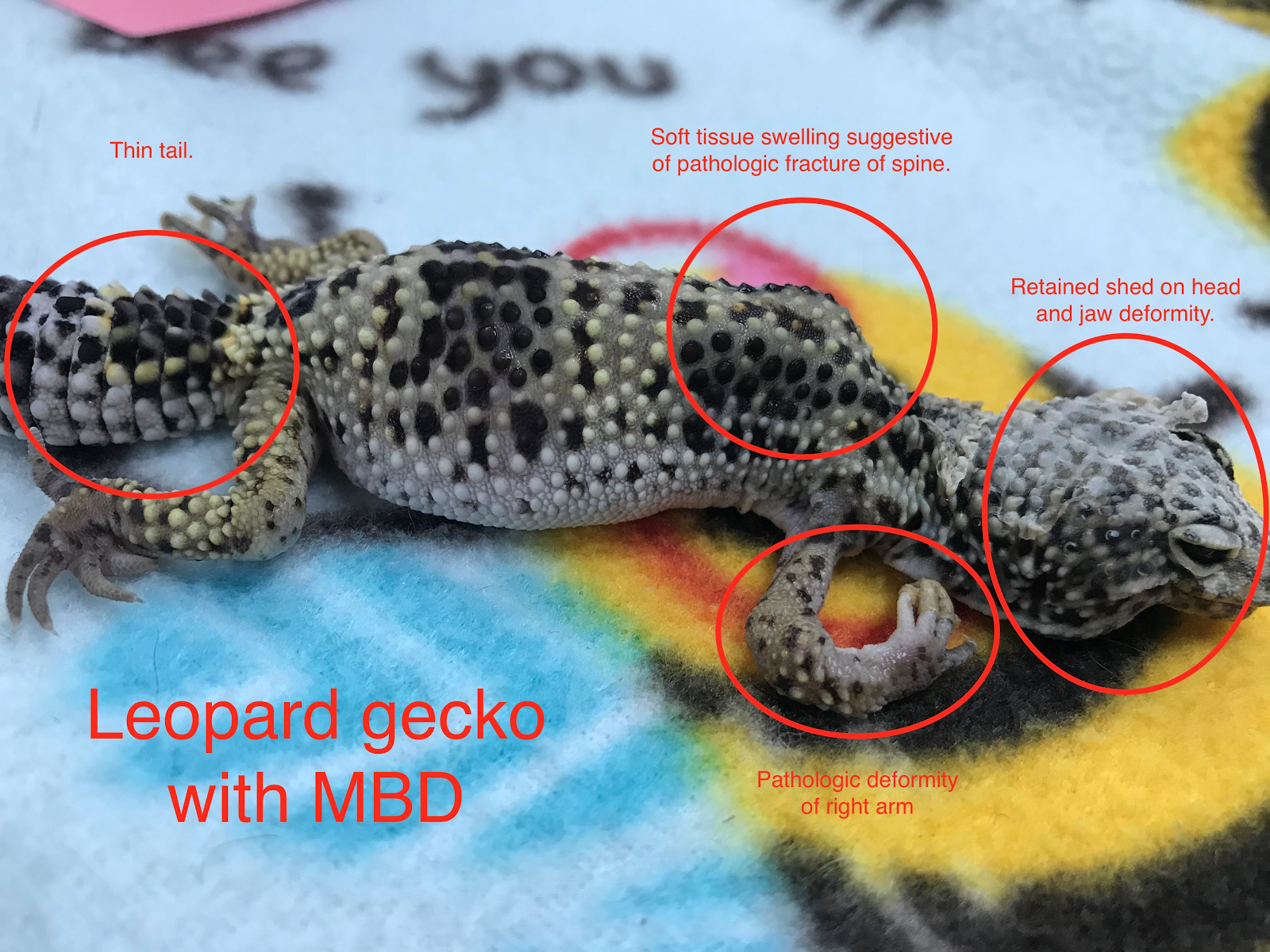
Symptoms and signs to watch for
Spotting early signs helps save time and cost. Look for visual and behavioral cues.
- Visible lump or asymmetry on one or both sides of the jaw.
- Drooling or thick saliva stuck around the mouth.
- Loss of appetite or refusal to eat hard food items.
- Open-mouth breathing, noisy breathing, or nasal discharge.
- Loose or missing teeth, pus, or bad smell from the mouth.
- Weight loss, lethargy, and reduced activity.
If you notice any of these signs, monitor the reptile closely. Quick action keeps the problem from worsening.

How vets diagnose jaw swelling
A good diagnosis uses simple tools and targeted tests.
- Physical exam checks the mouth, jaw, and nearby lymph nodes.
- Oral swabs and cytology show bacteria or abnormal cells.
- Culture and sensitivity tests identify the best antibiotic.
- X-rays or CT scans reveal bone involvement or an abscess.
- Bloodwork evaluates metabolic health and infection markers.
A clear diagnosis guides safe treatment. I always recommend culture tests when possible. They improve antibiotic choices and outcomes.
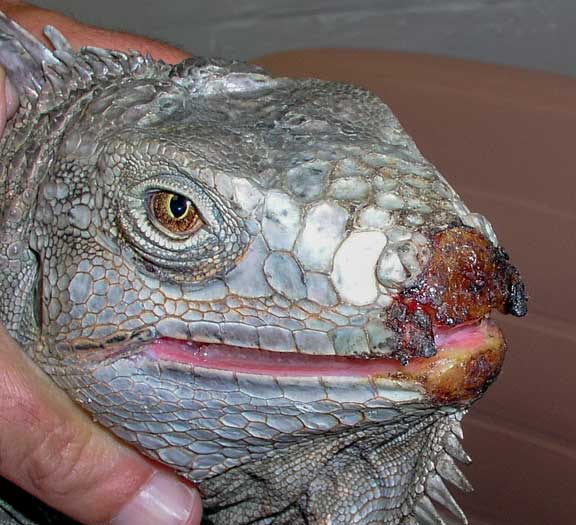
Treatment and management options
Treatments range from home care for mild cases to surgery for severe disease. Always work with a reptile-experienced vet.
- Clean the mouth gently with saline. Daily warm saline rinses help heal minor stomatitis.
- Antibiotics based on culture results. Oral or injectable options depend on species and severity.
- Surgical drainage or debridement for deep abscesses or infected bone.
- Pain control and anti-inflammatories under vet guidance.
- Supportive care including fluids and assisted feeding if the reptile won’t eat.
- Correct metabolic issues with diet changes, supplements, and proper UVB exposure.
From my experience, consistent wound care and proper heat cycles speed recovery. I learned to check temperatures and humidity before blaming medication.

Preventing reptile jaw swelling with good husbandry
Prevention is low-cost and effective. Focus on habitat, diet, and routine checks.
- Provide species-appropriate temperatures and UVB lighting.
- Feed a balanced diet with correct calcium-to-phosphorus ratios.
- Avoid abrasive or sharp substrate that can cut the mouth.
- Quarantine new animals for several weeks and inspect mouths regularly.
- Keep enclosures clean and reduce stressors that lower immunity.
- Schedule regular vet checks for growing or aging reptiles.
Small changes in husbandry often stop jaw problems before they start. I once adjusted a tank’s UVB and saw a marked health gain in under a month.
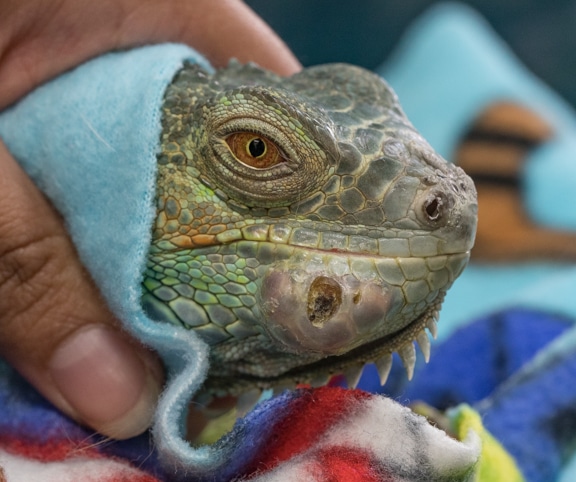
When to see a vet right away
Some signs need urgent care. Act fast if you see these.
- Rapidly growing swelling or hard, painful lumps.
- Difficulty breathing or severe drooling and choking.
- Refusal to eat for more than 24–48 hours.
- Open wounds on the jaw with pus or heavy bleeding.
- Severe lethargy, collapse, or rapid weight loss.
Delaying vet care can lead to bone infection or systemic illness. Early vet visits save lives and lower treatment costs.
Frequently Asked Questions of reptile jaw swelling
What causes mouth rot in reptiles?
Mouth rot often starts from a minor injury, poor sanitation, or low temperature. Bacteria invade the damaged tissues, causing swelling, pus, and tissue death.
Can jaw swelling go away on its own?
Mild inflammation may improve with better husbandry, but true infections and abscesses rarely resolve without treatment. A vet exam is the safest course.
Is reptile jaw swelling contagious to other pets?
Some bacterial infections can spread, but most jaw swelling stems from individual wounds or husbandry issues. Quarantine affected animals until cleared by a vet.
How long does treatment for jaw swelling take?
Treatment time varies from days to months. Simple stomatitis may clear in 1–2 weeks, while bone infections may require months of care and follow-up.
Can I treat jaw swelling at home?
You can provide interim care like gentle saline rinses and improved heating. However, you should not skip a vet visit for persistent swelling, severe signs, or loss of appetite.
Will surgery fix jaw swelling?
Surgery can remove abscesses or dead tissue and often helps cure severe cases. Post-surgery care, antibiotics, and follow-up are essential for success.
Conclusion
Reptile jaw swelling is a common but treatable problem when caught early. Look for lumps, drooling, and appetite change. Get a vet diagnosis, follow culture-based treatments, and fix any husbandry gaps. Small, consistent steps in care and environment prevent most cases and speed recovery.
Take action today: check your reptile's mouth, adjust habitat basics, and contact a reptile vet if you see swelling. Leave a comment with your experience or subscribe for more reptile care tips.
