
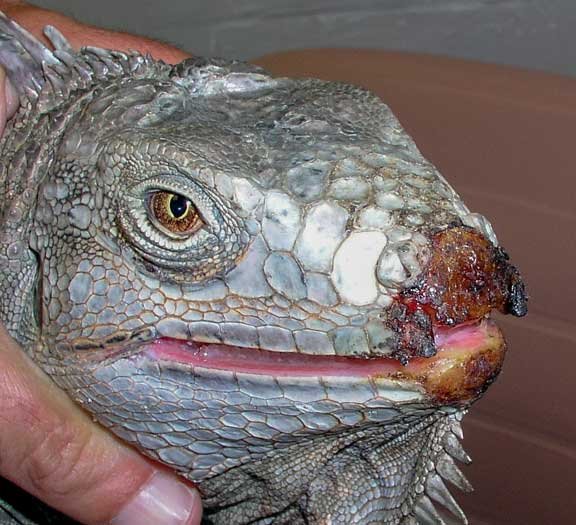
Reptile nose discharge often signals infection, respiratory disease, or poor husbandry and needs vet care.
I’ve cared for dozens of lizards and snakes and seen how a simple wet nose can turn into a serious problem. This article draws on hands-on experience and veterinary guidance to explain what reptile nose discharge means, how to spot danger signs, and what to do next. Read on for clear steps, practical tips, and real-world lessons to protect your pet and act fast when needed.

What is reptile nose discharge?
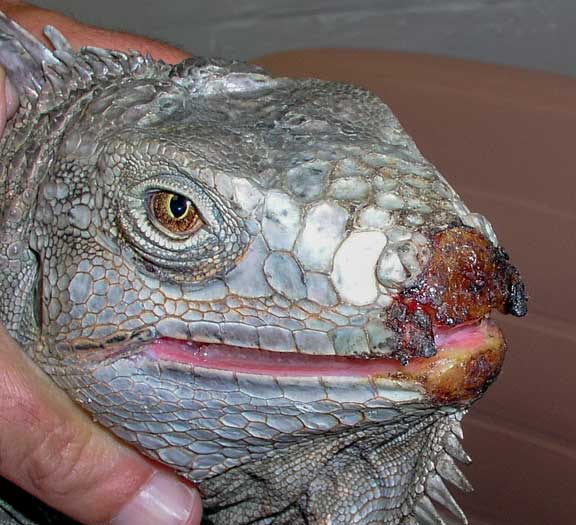
Reptile nose discharge means any liquid, mucus, bubbles, or crusting coming from a reptile’s nostrils. It can be clear, cloudy, bloody, or thick and pus-like. The same sign shows up across species. Snakes, geckos, bearded dragons, and turtles can all have nose discharge. The color and texture help point to the cause.
Common types of discharge
- Clear, watery secretion that may suggest irritation or early infection.
- White or yellow thick mucus often linked to bacterial infection.
- Bloody or brown discharge that may indicate trauma or severe disease.
- Bubbly or frothy discharge that can signal respiratory distress.
Why this matters
- The nose is a direct route to the lungs and airways.
- Untreated respiratory issues can worsen fast.
- Early action improves outcomes and avoids chronic problems.
Causes of reptile nose discharge
Many conditions can cause reptile nose discharge. Some are mild. Others are urgent.
Infectious causes
- Bacterial infections that start in the sinuses or lungs.
- Viral infections that weaken the animal’s defenses.
- Fungal infections, especially in cold, damp enclosures.
- Parasitic infections that affect respiratory tissues.
Environmental and husbandry causes
- Low temperature that slows immune response.
- High humidity that encourages pathogens.
- Poor ventilation allowing ammonia and dust buildup.
- Dirty substrate and standing water that harbor microbes.
Physical causes and trauma
- Injuries to the snout from rough handling or enclosure decor.
- Foreign bodies, such as small pebbles or bits of substrate lodged in nostrils.
- Tumors or obstructions in nasal passages.
Systemic causes
- Nutritional deficiencies that weaken mucosal health.
- Stress and poor overall condition lowering immunity.

Symptoms and signs to watch for
Nose discharge rarely appears alone. Look for these concurrent signs.
Common clinical signs
- Lethargy and reduced activity.
- Loss of appetite or weight loss.
- Open-mouth breathing or wheezing.
- Wheeze, clicking, or bubbling sounds when breathing.
- Swelling around the eyes or face.
- Change in stool or vomiting when very ill.
Severity indicators
- Clear, minimal discharge and normal behavior suggest mild issue.
- Thick, colored discharge with lethargy suggests infection.
- Labored breathing, tongue flicking poorly, or collapse requires emergency care.
Diagnosis and what a vet will do
A qualified reptile vet is essential for accurate diagnosis of reptile nose discharge.
Typical clinic steps
- History and thorough physical exam.
- Swab of nasal discharge for cytology and culture.
- Radiographs or CT scans to view lungs and sinuses.
- Bloodwork when systemic disease is suspected.
- Endoscopy in some cases to inspect internal nasal passages.
What tests reveal
- Bacterial culture identifies the right antibiotic.
- Radiographs show pneumonia, fluid, or masses.
- Cytology can detect fungal elements, white blood cells, or parasites.

Treatment options
Treatment depends on cause and severity of reptile nose discharge.
Medical treatments
– Targeted antibiotics for bacterial infections.
- Antifungal drugs when fungal infection is confirmed.
- Antiparasitic medications for parasitic causes.
- Supportive care such as fluids, heat, and nutrition.
Procedural and surgical options
- Flushing or suctioning of nasal passages by the vet.
- Removal of foreign bodies or mass excision when needed.
- Long-term nebulization therapy for persistent respiratory disease.
- Mild bacterial infections may improve in 7–14 days with antibiotics and care.
- Severe respiratory disease can take weeks to months and may need repeat diagnostics.

Home care and husbandry adjustments
Good husbandry is often the first and most effective step against reptile nose discharge.
Immediate home steps
- Improve enclosure temperature to species-appropriate ranges.
- Ensure correct humidity—neither too high nor too low.
- Clean and disinfect the tank and replace substrate.
- Provide fresh water and encourage eating with tempting foods.
Supportive at-home therapies
- Gentle warm misting or short nebulization sessions if recommended by your vet.
- Isolation of the affected reptile to prevent spread.
- Monitor breathing every few hours and log: appetite, stool, and discharge changes.
Long-term husbandry tips
- Use thermostats and accurate thermometers.
- Maintain airflow without cold drafts.
- Perform routine cleaning and quarterly health checks with a vet.
:strip_icc()/runny_nose_in_cats-e5b9289a968d4cfbbacbd2858b23eda0.jpg)
Prevention strategies
Preventing reptile nose discharge focuses on reducing risk factors and strengthening immunity.
Good routines to adopt
- Quarantine new animals for 60–90 days.
- Keep enclosures clean with routine spot-cleaning and deep cleans.
- Feed a balanced diet and provide necessary supplements.
- Avoid overcrowding and stress triggers.
Vaccination and prophylaxis
- Most reptiles lack routine vaccines, so prevention centers on husbandry and early care.
- Consider routine vet wellness exams to catch problems early.
When to seek emergency care
Some signs require immediate veterinary attention for reptile nose discharge.
Emergency signs
- Severe open-mouth breathing or gasping.
- Sudden lethargy or collapse.
- Lack of tongue-flicking in snakes or inability to right itself.
- Critical color change, such as dark gums or pale skin.
How to act fast
- Contact your reptile vet or emergency clinic first.
- Keep the animal warm and quiet during transport.
- Bring a sample of the discharge if possible.
Personal experience and lessons learned
I once treated a bearded dragon with mild clear discharge I first ignored. Within 48 hours it was listless. Early vet intervention with fluids and targeted antibiotics turned the case around. That taught me three lessons I still use:
- Never dismiss even slight nasal wetness; track it with photos and notes.
- Temperature and humidity lapses are common causes. Fix the enclosure first while arranging vet care.
- Proper transport and calm handling help avoid stress-related progression.
Practical tips from hands-on care
- Keep a small logbook for each reptile. Include temps, feedings, and any odd discharge.
- Have contact details for a reptile-savvy vet saved on your phone.
- Use clear containers for temporary housing during cleaning so you can monitor discharge easily.
Related conditions to consider
Nose discharge can be part of wider disease patterns. Consider these related issues.
Possible overlaps
- Mouth rot that extends to respiratory tissues.
- Eye infections that travel to sinuses.
- Scale rot or systemic bacterial infection with respiratory signs.
- Metabolic bone disease altering breathing mechanics in severe cases.
How to differentiate
- Localized mouth lesions point to mouth rot rather than primary nasal disease.
- Eyes and skin involvement increase chances of systemic illness.
- Diagnostic tests clarify the overlap quickly.
Frequently Asked Questions of reptile nose discharge
What causes reptile nose discharge the most?
Most often, poor husbandry such as incorrect temperature and high humidity leads to infection that causes nose discharge. Bacterial infections are a common downstream result.
Can I treat reptile nose discharge at home?
You can improve enclosure conditions, keep the animal warm, and clean the habitat, but definitive treatment usually requires a vet for diagnostics and prescribed medication. Home care supports recovery but is not a substitute for veterinary care.
How long does it take for discharge to clear?
Mild cases can improve in one to two weeks with proper treatment, while severe respiratory disease may take several weeks to months. Follow-up with your vet is important to confirm resolution.
Is clear discharge less serious than cloudy or bloody discharge?
Clear discharge can be mild, but it can also be an early sign of a serious problem. Thick, colored, or bloody discharge more often indicates infection or trauma and should prompt vet attention.
Can nose discharge be contagious to other reptiles?
Yes, many infectious causes can spread between reptiles in the same enclosure or household. Quarantine and hygiene help prevent transmission.
Conclusion
Reptile nose discharge is a common but potentially serious sign that deserves prompt attention. Monitor your pet daily, act quickly on changes, and partner with a reptile-savvy vet for diagnosis and treatment. Small steps in husbandry, early vet care, and steady monitoring can save lives and prevent chronic illness. If you see discharge, document it, improve the environment, and call your vet—your reptile’s best chance is timely action. Leave a comment with your experience, subscribe for more reptile care guides, or contact a vet if you need help.
