
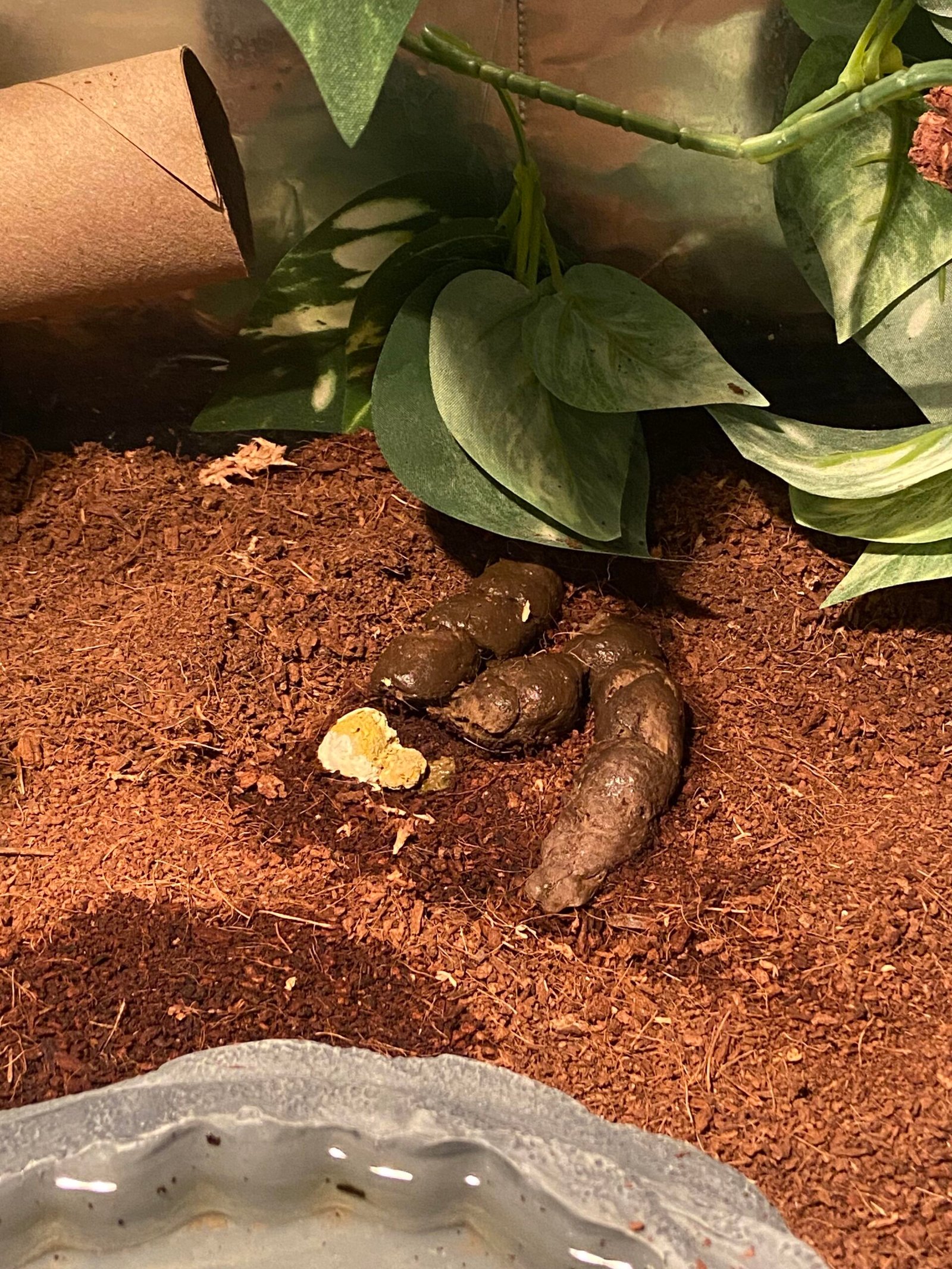
Abnormal stool in reptiles often signals illness, parasites, poor diet, dehydration, or stress.
I have worked with captive reptiles and reptile clinics for years, and I know how worrying odd droppings can be. This article explains what reptile abnormal stool looks like, why it happens, and what to do. You will get clear signs to watch for, step-by-step diagnostic ideas, safe home care tips, and when to call a vet. Read on to learn practical, tested advice for handling reptile abnormal stool with confidence.
What is reptile abnormal stool?
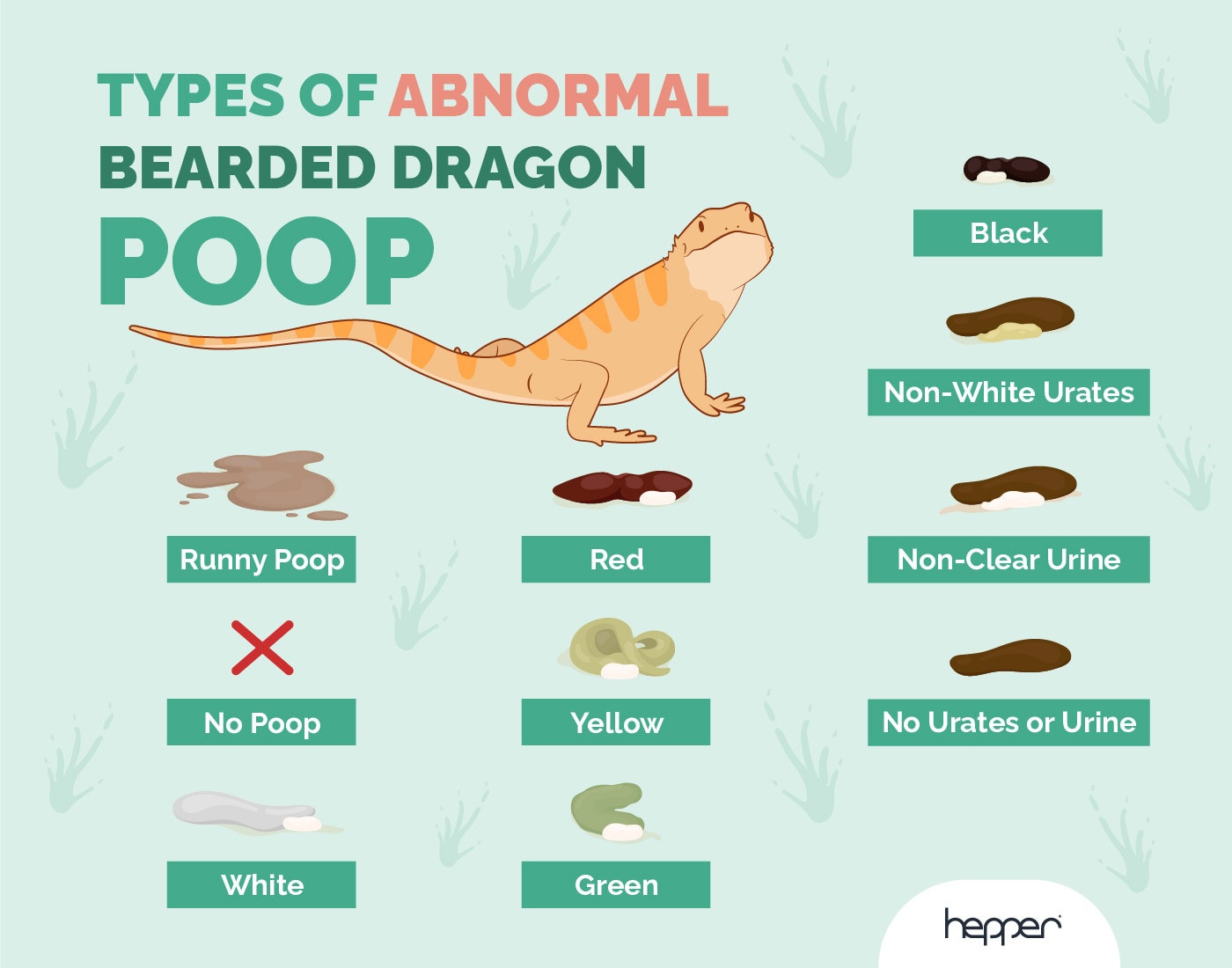
Reptile abnormal stool means droppings that differ from an animal’s normal pattern. Normal reptile feces usually have firm dark fecal matter and white urates. Abnormal stool can be loose, discolored, bloody, very smelly, or have undigested food. Not all changes are emergencies, but many signal health, diet, or environment problems. Clear, quick recognition helps avoid worse problems.
Common causes of reptile abnormal stool
Many things cause reptile abnormal stool. Here are common causes to check first:
- Diet problems: sudden diet change, wrong food size, or spoiled food can upset the gut.
- Parasites: worms, protozoa, and coccidia often cause watery stool or mucus.
- Bacterial or fungal infections: these can cause loose stool, blood, or strong odor.
- Viral infections: less common, but can cause persistent diarrhea and weakness.
- Temperature and humidity issues: cold or too-wet enclosures slow digestion and cause loose droppings.
- Dehydration: causes thick urates and concentrated feces or, paradoxically, diarrhea in some cases.
- Impaction: swallowed substrate or large prey items block passage and change stool output.
- Toxins and medications: poisons or improper meds upset gut flora and stool.
- Metabolic or systemic disease: liver, kidney issues, or metabolic bone disease can alter droppings.
- Stress and poor husbandry: stress can slow or speed gut transit, changing stool consistency.
- Reproductive issues: egg binding or cloacal problems can change droppings and cause straining.
If you see any of these causes linked to reptile abnormal stool, act promptly. Early fixes often stop progression.
How to recognize abnormal stool: signs and meanings
Knowing what to look for gives fast clues about cause. Compare droppings to your pet’s normal pattern.
- Color changes
- Pale or yellow feces may mean liver problems or poor digestion.
- Green stool can signal bile issues, some infections, or a diet high in greens.
- Red or black stool suggests blood and needs urgent vet care.
- Texture and consistency
- Watery diarrhea points to infection, parasites, or spoiled food.
- Very hard, pellet-like droppings may mean dehydration or slow transit.
- Mucus-heavy stool often means inflammation or parasitic load.
- Frequency and amount
- Increased frequency with watery stool often implies infection or toxins.
- No stool for long and signs of pain or bloating may indicate impaction.
- Smell
- Strong, offensive odor often signals bacterial overgrowth or rot.
- Visible parasites or undigested food
- Worms or segments in stool are a clear sign of parasite infection.
- Whole prey in droppings can mean poor digestion or rapid gut transit.
If you are unsure, save a sample in a clean container for your vet. A photo, date, and recent husbandry notes also help.

PAA-style questions
What does bloody stool mean in reptiles?
Bloody stool usually means irritation or bleeding in the gut. It can come from parasites, severe infection, or trauma and needs fast veterinary assessment.
Why is my reptile’s stool watery after a temperature drop?
Low temperatures slow digestion and hurt gut bacteria. This can cause undigested food to ferment and lead to watery droppings.
Can stress cause reptile abnormal stool?
Yes. Stress changes gut motility and weakens immunity, which often leads to looser or less regular droppings.
Diagnostic steps for reptile abnormal stool
A clear plan helps vets find the cause fast. Steps you can expect or prepare for:
- Collect a fresh stool sample in a clean container and refrigerate if you can’t drive it to the clinic quickly.
- Fecal float and smear to check for eggs, oocysts, or protozoa.
- Gram stain or culture if bacterial infection is suspected.
- Parasite antigen tests or PCR for specific pathogens if needed.
- Blood tests to check organ function, dehydration, and immune signs.
- Imaging such as X-rays to look for impaction or masses.
- Review of husbandry details: diet, temperatures, substrate, and exposure to other animals.
Be honest with the vet about recent changes. Full context improves diagnosis speed and accuracy.
Treatment options and home care
Treatment depends on the cause of reptile abnormal stool. Here are practical steps and options:
- Immediate steps at home
- Isolate the animal if you have other reptiles to prevent spread.
- Keep the enclosure at correct temperatures for digestion.
- Offer clean water and support hydration with shallow dishes or vet-guided fluid therapy.
- Veterinary treatments
- Antiparasitics for worms or protozoa.
- Antibiotics for confirmed bacterial infections, chosen based on culture.
- Fluid therapy and electrolytes for severe dehydration.
- Antifungals for fungal causes.
- Surgery for severe impaction or structural issues.
- Diet and probiotics
- Return to a bland, easily digested diet as vet advises.
- Use reptile-appropriate probiotics only under vet guidance.
- Avoid unproven home remedies
- Do not use human medications without vet approval.
- Avoid oral electrolytes or antibiotics unless directed.
Most mild cases improve within days with proper care. Persistent or severe reptile abnormal stool needs follow-up testing.
Preventing reptile abnormal stool
Good husbandry cuts risk of abnormal droppings. Key prevention steps:
- Maintain proper temperature gradients and humidity per species needs.
- Feed balanced, species-appropriate diets and avoid sudden changes.
- Use safe substrates that are not easily ingested.
- Quarantine new reptiles for at least 30–90 days and get fecal tests.
- Practice strict hygiene: clean enclosures, wash hands, and disinfect tools.
- Schedule routine vet checks and fecal exams.
- Avoid overcrowding and reduce stressors like loud noise and poor hiding spots.
Prevention saves time, money, and your reptile’s health. Regular small checks catch problems early.
Personal experience and practical tips
I once treated a leopard gecko with loose stool after a substrate swap. The owner changed from paper towel to loose sand. Within 24 hours the gecko had watery droppings. We ruled out parasites and fixed the husbandry. I learned three key lessons:
- Slow changes: always change substrate or diet in steps and watch droppings for a week.
- Save samples: a fresh sample sped diagnosis and avoided unnecessary meds.
- Temperature first: check heat before tests. Correcting a cold basking spot resolved many cases in my practice.
Avoid panic treatments. Small, measured changes and prompt vet consults work best.
Frequently Asked Questions of reptile abnormal stool
What should I do if my reptile has watery stool?
Keep your reptile warm and hydrated and isolate it from other animals. Collect a fresh sample and contact your vet for testing and guidance.
Can diet alone cause reptile abnormal stool?
Yes. Sudden diet changes, spoiled food, or inappropriate prey size can cause loose or abnormal stool. Return to a known safe diet and monitor for improvement.
Are parasites the most common cause of abnormal stool?
Parasites are a frequent cause, but not always the most common; poor husbandry and stress are also major triggers. Fecal testing confirms parasites.
How quickly should I see a vet for abnormal stool?
If stool is bloody, very watery, or the reptile is weak, see a vet within 24 hours. For mild changes, monitor for 48–72 hours while improving husbandry, then consult your vet if no improvement.
Can reptile abnormal stool spread to humans?
Some reptile pathogens, like Salmonella, can infect people. Practice strict hygiene, wash hands after handling, and keep enclosures clean to reduce risk.
How do I collect a stool sample for the vet?
Use a clean container or zip-top bag and pick fresh feces with a disposable tool. Keep it cool and deliver it to the clinic within a few hours or refrigerate briefly.
Conclusion
Reptile abnormal stool is a clear signal something in diet, environment, or health is off. Quick recognition, better husbandry, and timely vet tests usually fix most issues. Use simple steps: stabilize temperature and hydration, save a sample, and consult a vet when needed. Take action early, keep records, and make one small change at a time. If this article helped, share your story, subscribe for updates, or ask a question below — your reptile’s health matters.
