
Fish rubbing gravel often signals itch, parasites, or normal cleaning behavior in aquarium fish.
I have kept aquariums and studied fish behavior for years, so I know how worrying it can be to see fish rubbing gravel. This article explains why fish rubbing gravel happens, how to tell harmless behavior from illness, and what to do next. You will get clear steps, real-life tips, and quick checks you can use right away to help your fish.

Why fish rubbing gravel happens
Fish rubbing gravel can have many causes. Sometimes fish rub gravel to scratch an itch or remove slime. Other times they do it during normal cleaning or to search for food. Fish rubbing gravel can also mean stress or disease.
I will explain each cause in simple words. You will learn how to watch for signs that need action. This helps you keep your aquarium healthy and your fish happy.
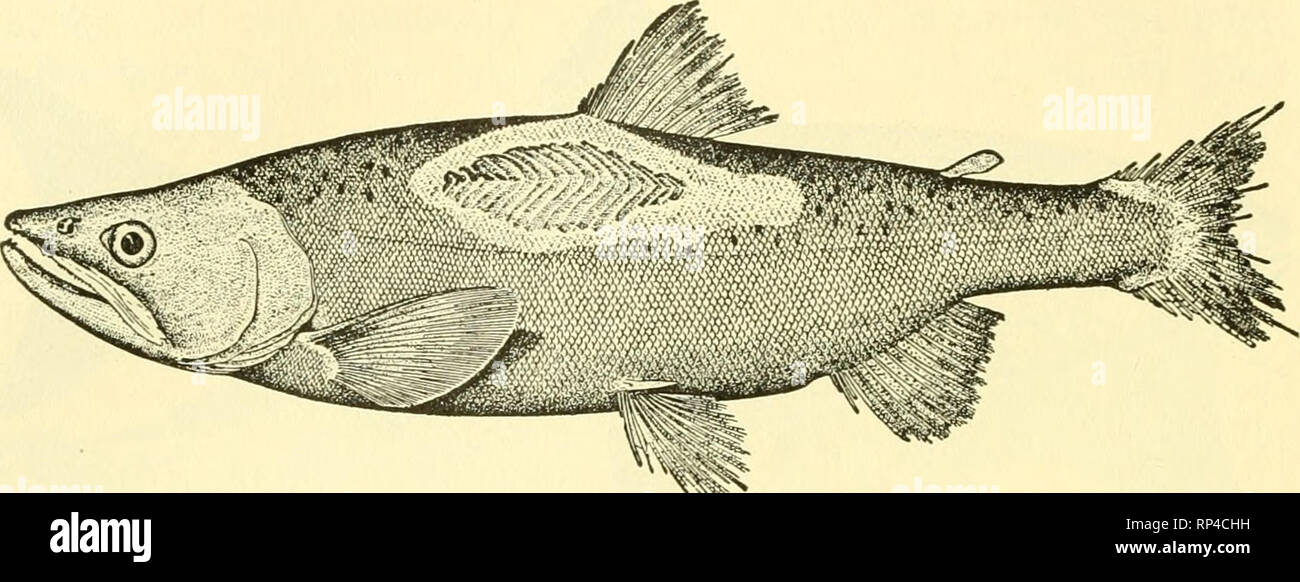
Common species that rub gravel
Some species rub gravel more than others. Bottom-dwelling fish often interact with substrate. Example species include:
- Catfish and plecos, which scrape surfaces.
- Loaches, which dig and sift for food.
- Cichlids, which rearrange substrate for nests.
- Tetras and danios, which may occasionally rub when stressed.
Each species has its own pattern of behavior. Knowing the species helps you decide if fish rubbing gravel is normal. If you are unsure, compare the behavior to typical species habits.

Causes: health, behavior, and environment
There are three broad cause groups for fish rubbing gravel.
Health-related causes
- External parasites can make fish itch. Fish may rub against gravel to try to remove them.
- Fungal or bacterial infections can cause irritation.
- Poor water quality can harm skin and gills. This leads to rubbing.
Behavioral causes
- Normal grooming: some fish scrape to remove dead skin or algae.
- Foraging: fish sift gravel to find food particles.
- Breeding behavior: some species prepare nests by moving gravel.
Environmental causes
- Rough or sharp substrate can irritate delicate skin.
- Incorrect water parameters cause stress and discomfort.
- Low oxygen or poor filtration increases rubbing and gasping.
If fish rubbing gravel is sudden and repeated, health issues are more likely. If it happens during feeding or cleaning, it may be normal.

How to observe and assess the problem
Watch fish carefully for these signs. Observations help you decide next steps.
What to look for
- Frequency: Is fish rubbing gravel once or many times per hour?
- Body marks: Look for white spots, red sores, or missing scales.
- Behavior: Is the fish lethargic, flashing, or breathing fast?
- Tank mates: Are other fish also rubbing? That suggests a tank-wide issue.
Simple tests to run
- Check water parameters for ammonia, nitrite, nitrate, pH, and temperature.
- Inspect gravel for sharp edges or abrasive debris.
- Do a quick salt dip or quarantine check if parasites are likely.
PAA-style quick questions
- Why is my fish rubbing gravel after a water change? It may react to new water chemistry or temperature; check parameters.
- Can gravel cause infections? Sharp gravel can cut skin and open the way for bacteria.
Use short observation sessions several times a day. Record what you see. Notes help you spot patterns.
Steps to treat and prevent fish rubbing gravel
Treat the cause, not just the symptom. Follow these practical steps.
Immediate steps
- Test water and correct any imbalances.
- Do a partial water change of 20–30% if water looks poor.
- Move very injured or stressed fish to a quarantine tank.
Treatment options
- For parasites try recommended anti-parasitic treatments following label directions.
- For fungal or bacterial issues use targeted medication suited to the disease.
- For poor water quality, upgrade filtration and increase maintenance.
Preventive measures
- Use smooth, rounded gravel for sensitive species.
- Maintain a regular water change schedule.
- Avoid overfeeding and vacuum gravel regularly.
- Quarantine new fish for 2–4 weeks to avoid introducing disease.
When to seek professional help
- If multiple fish show severe symptoms or die.
- If medication does not reduce rubbing in 48–72 hours.
- If you suspect internal disease or complex infections.
A calm, steady response often prevents escalation. Treat promptly and monitor closely.

Personal experience: lessons from my tanks
I once had a community tank where fish rubbing gravel started after a heater failure. I noticed increased rubbing and faint white spots. I acted quickly.
What I did
- I tested water and found a temperature spike and ammonia rise.
- I did two partial water changes and fixed the heater.
- I quarantined the most affected fish and treated for parasites as a precaution.
What I learned
- Fast observation matters. Short checks catch issues early.
- Smooth gravel reduced future rubbing in a tank with loaches.
- Quarantine saved my main tank from a wider outbreak.
If I had waited, more fish would have become sick. Small fixes prevented a big problem. These experiences taught me to keep a checklist for quick action.

Frequently Asked Questions of fish rubbing gravel
Why is my fish rubbing gravel all of a sudden?
Sudden rubbing often points to irritation from parasites, poor water quality, or a change in tank conditions. Test the water and check for visible signs like spots or sores.
Can gravel make my fish sick?
Yes. Sharp or rough gravel can cut skin and invite infections. Choose smooth substrate for delicate species.
How long should rubbing behavior last before I worry?
If rubbing continues frequently for more than 24–48 hours, you should investigate and act. Persistent rubbing often needs treatment.
Should I move a rubbing fish to quarantine?
Yes. If the fish looks injured, lethargic, or other fish show similar signs, quarantine is wise to prevent spread and allow treatment.
Are there safe home treatments for rubbing due to parasites?
There are effective aquarium treatments available. Always follow product instructions and consider professional advice for severe cases.
Conclusion
Fish rubbing gravel can mean anything from normal grooming to serious illness. Check water, watch behavior, and act fast when rubbing is frequent or paired with marks. Use smooth substrate, maintain clean water, and quarantine new fish to lower risk. Start with testing and simple fixes, and reach out to a vet or experienced aquarist if things do not improve. Try one small change this week—check water and inspect gravel—and share what you find or ask questions below.
