
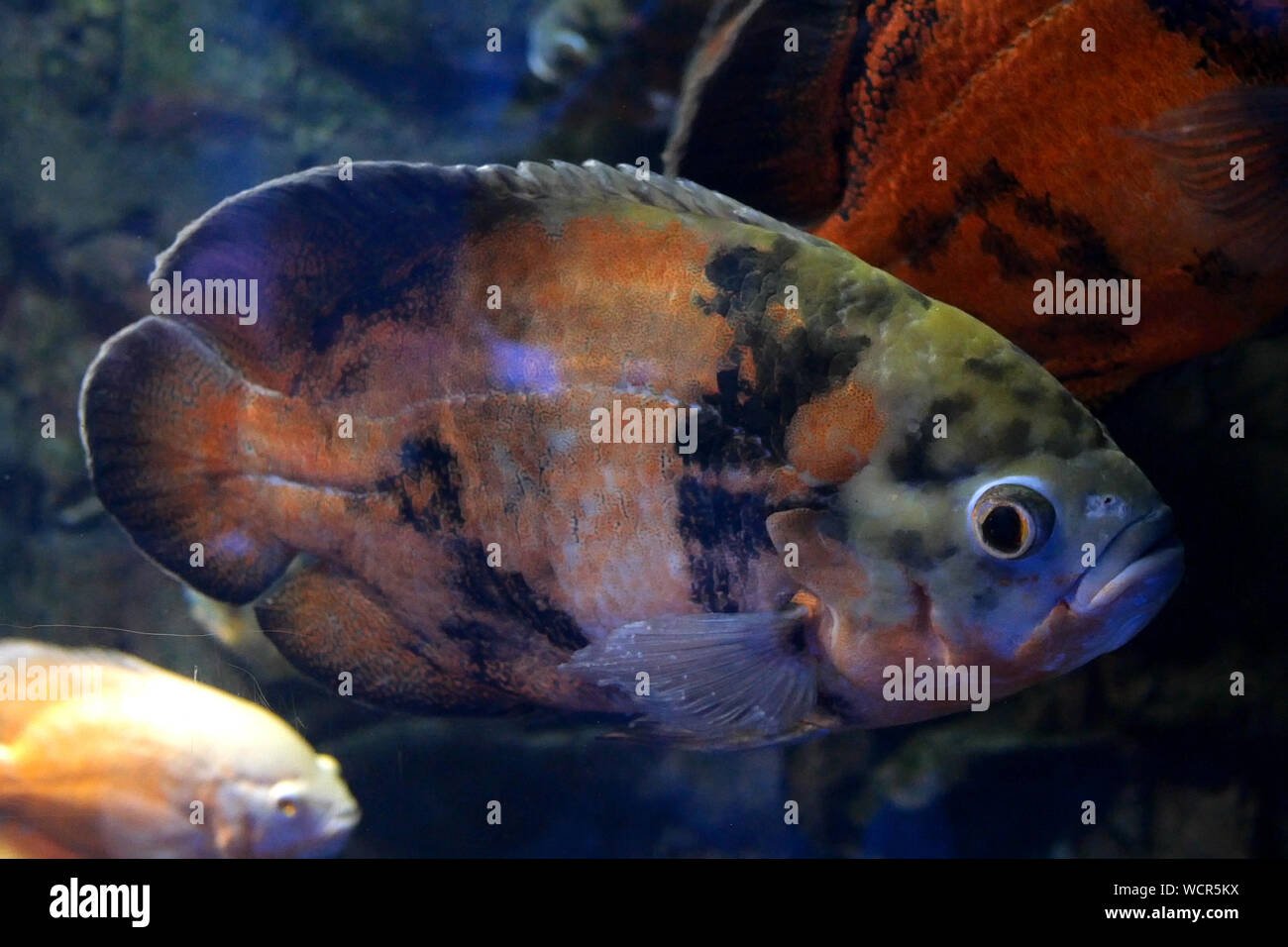
Fish swim unevenly mainly due to swim bladder problems, infection, injury, or poor water quality.
I have worked with aquarists and vets for years diagnosing fish uneven swimming in tanks and ponds. This guide breaks down causes, signs, tests, treatments, and prevention so you can act fast and help your fish return to normal swimming. Read on for clear, practical steps backed by field experience and simple science.
 swimming”
style=”max-width: 100%; height: auto; border: 2px solid black; border-radius: 10px; display: block; margin: 0 auto;”
loading=”lazy”
/>
Causes of fish uneven swimming
Fish uneven swimming happens when balance, buoyancy, or motor control fails. Common causes include physical, environmental, and biological issues.
- Swim bladder disorder
- Air, infection, or deformity can impair buoyancy and cause tilted or upside-down swim.
- Infection and parasites
- Bacterial or parasitic infections can harm nerves and muscles that control swimming.
- Water quality stress
- Low oxygen, high ammonia, or sudden pH shifts lead to lethargy and awkward movement.
- Injury or deformity
- Fins, spine, or head trauma can make a fish swim unevenly.
- Temperature shock
- Rapid temperature changes affect metabolism and coordination.
Understanding the root cause helps pick the right treatment for fish uneven swimming.
Signs and types of uneven swimming
Uneven swimming shows in several clear ways. Spot the pattern to narrow the cause.
- Tilted or leaning to one side
- Often swim bladder or inner ear problems.
- Floating at the surface or sinking to the bottom
- Classic swim bladder or buoyancy issues.
- Spinning or corkscrewing motion
- Neurological damage or severe infection.
- Erratic darting then freezing
- Possible parasite or toxin exposure.
- Asymmetrical fin use or continuous tail beat on one side
- Physical injury or nerve damage.
Watch movement, breathing, color, and appetite to build a full picture of fish uneven swimming.
Diagnosing fish uneven swimming
A calm, stepwise check helps find why a fish is swimming unevenly.
- Observe closely
- Note when and how the fish swims and other signs like gasping or spots.
- Test water
- Measure ammonia, nitrite, nitrate, pH, temperature, and oxygen.
- Isolate the fish
- Move the affected fish to a quarantine tank for observation and treatment.
- Physical check
- Look for wounds, bloating, or fin clamping.
- Consider recent changes
- New fish, new food, or recent medications can trigger issues.
Simple tests often reveal whether fish uneven swimming is environmental, infectious, or structural.

Common diseases and conditions that cause uneven swimming
Several conditions commonly explain fish uneven swimming.
- Swim bladder disease
- Overfeeding, constipation, or bacterial infection can change buoyancy.
- Bacterial infections
- Internal infections can affect organs and movement.
- Parasites
- External parasites or internal worms can cause erratic swimming.
- Viral and fungal infections
- These weaken the fish and alter behavior.
- Trauma and congenital deformities
- Physical damage or birth defects can lead to chronic uneven swimming.
Treat each condition differently, so diagnosis matters for recovery of fish uneven swimming.
Treatment and home care for fish uneven swimming
Practical steps can help most fish recover from uneven swimming.
- Correct water quality first
- Do partial water changes and check filtration. Keep parameters stable.
- Fast the fish
- A 24–48 hour fast can reduce constipation-related swim bladder problems.
- Feed cooked, peeled peas
- A small pea can relieve constipation. Offer tiny pieces once.
- Salt baths for some species
- A short dip in low-dose aquarium salt can help infection and stress. Use species-appropriate amounts.
- Antibiotics or antiparasitics
- Use when a vet or reliable guide confirms infection or parasites.
- Gentle support in quarantine
- Keep low flow, dim light, and a soft bottom to reduce stress.
Track progress daily. If the fish does not improve in a few days, escalate care.
Aquarium management and prevention
Good tank care reduces the chance of fish uneven swimming.
- Keep stable water parameters
- Test weekly and adjust slowly when needed.
- Feed well and sparingly
- Avoid overfeeding. Use high-quality food and varied diet.
- Quarantine new fish
- Observe newcomers for two weeks before adding them to the main tank.
- Maintain clean substrate and filters
- Remove waste and perform routine maintenance.
- Avoid overcrowding
- Give each species the right space to reduce stress and disease.
Prevention cuts down on cases of fish uneven swimming significantly.

When to seek veterinary help
Some signs need professional care fast.
- Severe or worsening tilt for more than 48 hours
- Loss of appetite and rapid color change
- Open wounds, bulging eyes, or blood in stool
- Multiple fish show similar symptoms after a tank change
A vet can run deeper tests and prescribe safe treatments for fish uneven swimming.

Personal experience and lessons learned
I once treated a community tank where three tetras developed fish uneven swimming after a big water change. I fasted them, corrected pH slowly, and gave a short antibiotic bath under guidance. Two recovered in days; one had a spinal deformity and improved but never swam perfectly. Lesson: act quickly, test water first, and use quarantine to avoid spreading problems.
Tips from the field
- Don’t guess with medication. Test and observe.
- Make small changes. Rapid fixes often cause new problems.
- Keep a simple log of water tests and events. It helps spot patterns in fish uneven swimming.
These practices saved many tanks I’ve managed.

Related conditions and terms to know
Understanding related terms helps manage fish uneven swimming.
- Buoyancy: How a fish keeps its depth.
- Swim bladder: The organ that controls buoyancy.
- Clamped fins: Fins held tight against the body, a sign of stress.
- Ich and velvet: Parasites causing erratic behavior.
- Dropsy: Swelling that may change swimming posture.
Knowing these terms makes diagnosis and treatment faster and clearer.
Frequently Asked Questions of fish uneven swimming
Why is my fish swimming unevenly to one side?
Uneven swimming to one side often means swim bladder trouble or inner ear damage. Check water quality and watch for other signs like bloating or wounds.
Can water quality cause uneven swimming?
Yes. High ammonia, nitrite, or low oxygen can make fish swim oddly and gasp. Test water and correct any imbalances promptly.
Will a fish recover from swim bladder disease?
Many fish recover with proper care, fasting, and diet change. If a bacterial cause exists, medication and vet help may be needed.
How long should I quarantine a fish with uneven swimming?
Quarantine for at least two weeks and treat symptoms while monitoring. If no improvement appears in a few days, seek veterinary advice.
Are certain species more likely to swim unevenly?
Yes. Deep-bodied or fancy-breeded fish often have more swim bladder issues. Fast-swimming species can mask early signs until the problem worsens.
Conclusion
Fish uneven swimming is a clear signal that something is wrong. Test water, isolate the fish, and try simple care steps like fasting and low-stress quarantine. If signs persist or worsen, get professional help quickly. Start with small, steady actions and keep a record of changes. Try one preventive step today—test your tank water or review your feeding routine—and you will lower the risk of fish uneven swimming in your aquarium. Share your experience or questions below to help others and build a healthier tank community.
