
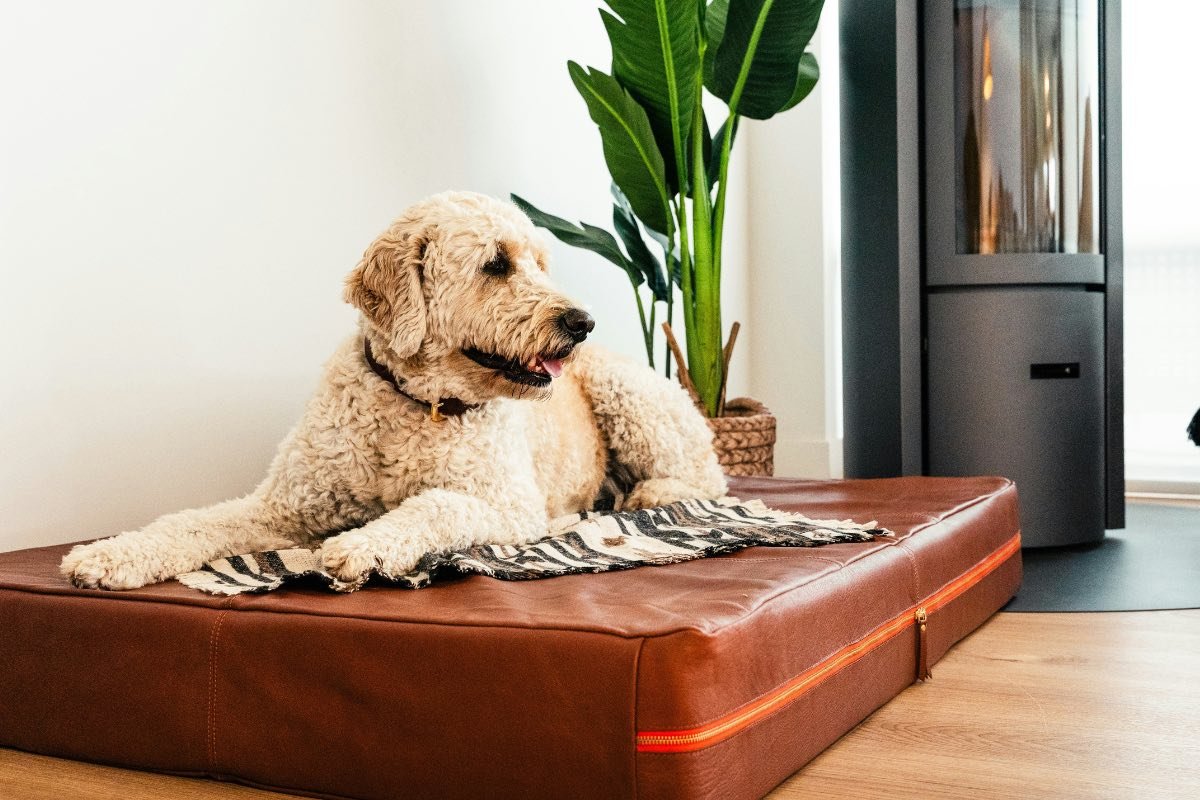
Dog new environment adjustment is the process of helping a dog feel safe after moving to a new home, meeting new people, or experiencing a major life change. Many dogs show stress at first because their familiar smells, sounds, and daily patterns have changed.
From helping adopted dogs settle into U.S. homes to guiding puppies through their first weeks with a family, a slow approach usually creates better results. Dogs learn through repeated safe experiences, so owners should focus on trust before expecting perfect behavior.
A common lesson from dog care professionals is that adjustment is not about forcing a dog to adapt quickly. It is about creating a predictable space where the dog can explore, rest, and build confidence at its own pace.
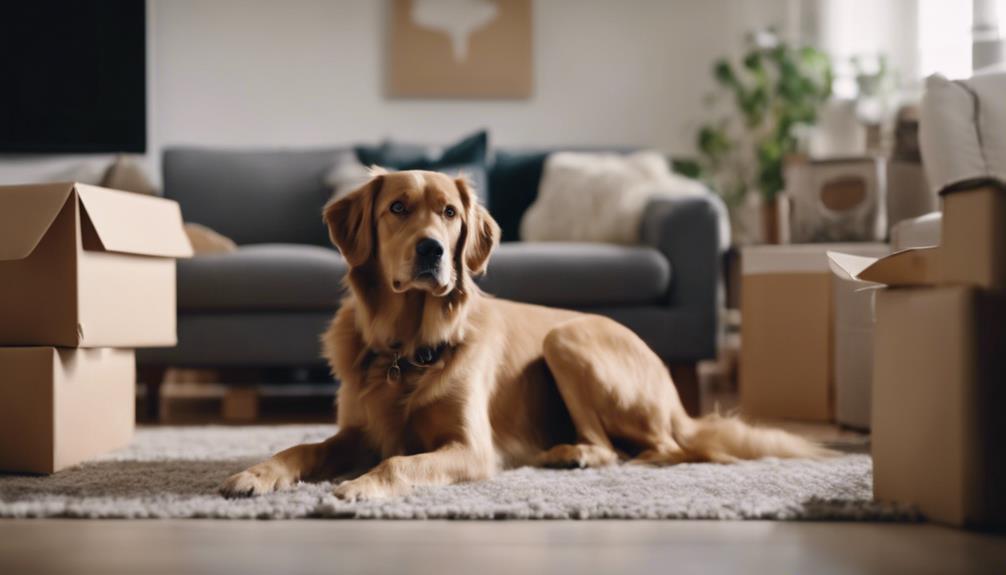
Understanding Dog New Environment Adjustment
Dog new environment adjustment begins when a dog experiences a change in its normal world. This can happen after adoption, moving houses, changing owners, or bringing a dog into a busy family setting.
Dogs depend heavily on familiar smells and routines. When these disappear, some dogs may become quiet, nervous, or less interested in food. Others may bark more, hide, or follow their owners constantly.
Every dog responds differently. Age, past experiences, breed traits, and personality all affect how quickly a dog becomes comfortable.
- ✦ New home changes
A new house brings unfamiliar rooms, sounds, people, and smells that a dog needs time to understand.
- ✦ Emotional adjustment
Dogs may need time to develop trust and feel that the new place is safe.
- ✦ Routine changes
Different feeding, walking, and sleeping schedules can increase stress during the transition period.
Why Dogs Struggle With Change
Dogs are creatures of habit. A sudden change can create uncertainty because they do not understand why their environment has changed.
A rescue dog may also carry memories from previous experiences. Gentle care and consistent routines help these dogs replace fear with confidence.
- ✦ Loss of familiar signals
Old smells, sounds, and people may disappear, making the dog feel unsure.
How Long Does It Take a Dog to Adjust to a New Environment?
The timeline for dog new environment adjustment depends on the individual dog. Some dogs become comfortable within days, while others need several weeks or months.
Puppies often adjust faster because they are still learning about the world. Adult and senior dogs may need more time because they have stronger habits and memories.
Owners should avoid comparing their dog with others. A slow adjustment does not mean a dog is unhappy or unable to bond.
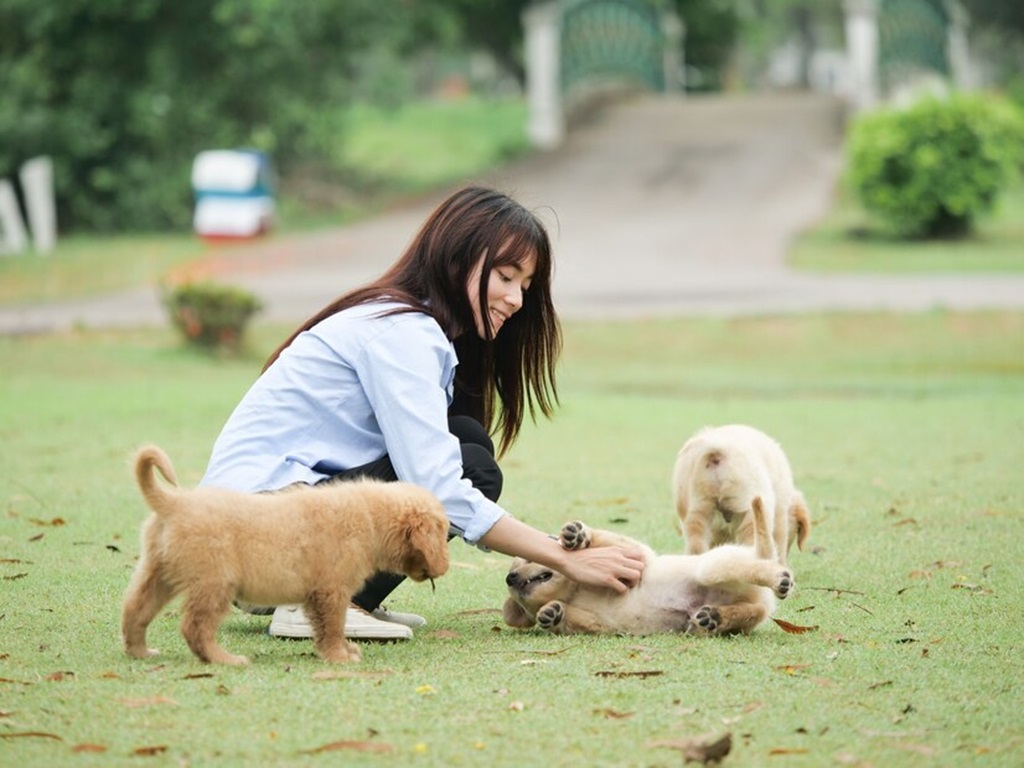
- ✦ First few days
Many dogs focus on observing their surroundings and may appear shy or cautious.
- ✦ First few weeks
Dogs often begin learning routines and showing more personality.
- ✦ Long-term comfort
A dog usually feels settled when it trusts the environment and understands daily patterns.
Signs Your Dog Is Adjusting Well
Positive signs include relaxed body language, normal eating habits, playful behavior, and interest in exploring the home.
A dog that starts choosing resting areas, greeting family members, and responding to training is often building confidence.
- ✦ Healthy behaviors
Eating normally, sleeping well, and enjoying walks are signs of growing comfort.
Creating a Safe Space for Your Dog
One of the best ways to support dog new environment adjustment is creating a personal safe area. This space gives the dog a place to relax when the new environment feels overwhelming.
A comfortable bed, familiar blanket, favorite toy, and quiet corner can help the dog feel ownership of the new home.
In American homes, where daily life can be busy with visitors, children, and work schedules, a calm retreat can make a major difference.

- ✦ Choose a quiet location
Place the dog’s resting area away from heavy traffic and loud activity.
- ✦ Keep familiar items nearby
Known scents from toys or blankets can provide emotional comfort.
Avoid Overwhelming Your Dog
Too many new people, places, and experiences at once can slow adjustment. Allow your dog to explore gradually.
Short positive experiences are usually better than long stressful interactions.
- ✦ Slow introductions
Introduce new family members, pets, and rooms one step at a time.
Building a Routine During the Adjustment Period
A predictable routine is one of the strongest tools for dog new environment adjustment. Dogs feel safer when they know what happens next.
Try to keep feeding times, walks, bedtime, and training sessions consistent. A regular schedule reduces uncertainty and helps the dog understand the new lifestyle.
Simple daily habits create trust. Even a short morning walk or calm evening routine can help a dog feel connected to the family.

- ✦ Regular meals
Consistent feeding times help create stability and comfort.
- ✦ Daily exercise
Walks and play reduce stress and help dogs explore safely.
- ✦ Training time
Positive training builds communication and confidence.
Using Positive Reinforcement
Reward calm behavior with praise, treats, or affection. This teaches the dog that the new environment brings good experiences.
Avoid punishment during adjustment because fear-based responses can damage trust.
- ✦ Reward confidence
Celebrate small steps like exploring new rooms or meeting people calmly.
Common Problems During Dog New Environment Adjustment
Some dogs show behavior changes during a move or transition. These reactions are often temporary and improve with proper support.
Understanding common problems helps owners respond correctly instead of assuming the dog is being difficult.
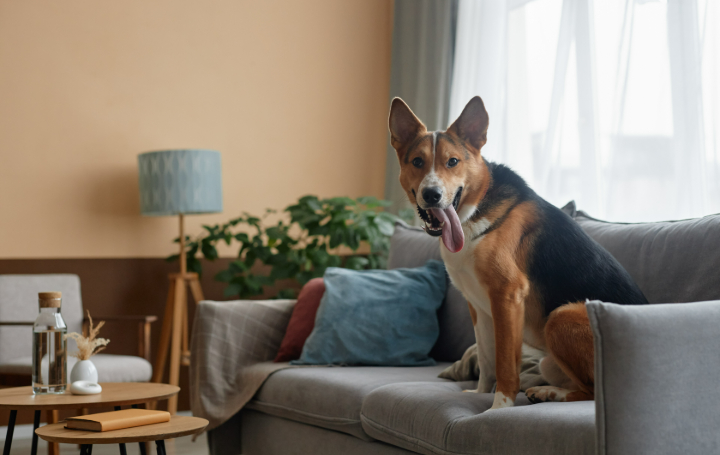
- ✦ Separation anxiety
A dog may become attached to a new owner and feel stressed when left alone.
- ✦ House accidents
Stress can cause temporary bathroom mistakes even in trained dogs.
- ✦ Fear behaviors
Hiding, shaking, or avoiding new areas can happen during early adjustment.
When to Seek Professional Help
If a dog refuses food for several days, shows aggression, or has extreme fear, professional guidance may help.
A veterinarian or qualified dog trainer can identify whether the issue comes from stress, health problems, or behavior patterns.
- ✦ Persistent stress
Long-lasting anxiety may need expert support.
Helping Adopted Dogs Adjust to Their New Home
Adopted dogs often need extra patience during dog new environment adjustment because they may have experienced previous changes.
The first goal should be safety and trust. Training can come after the dog feels secure with its new family.
Many rescue dogs become loving companions once they understand that the new home is permanent and supportive.

- ✦ Give time
Allow the dog to learn the home without pressure.
- ✦ Create trust
Use calm interactions and positive experiences to build a strong bond.
