
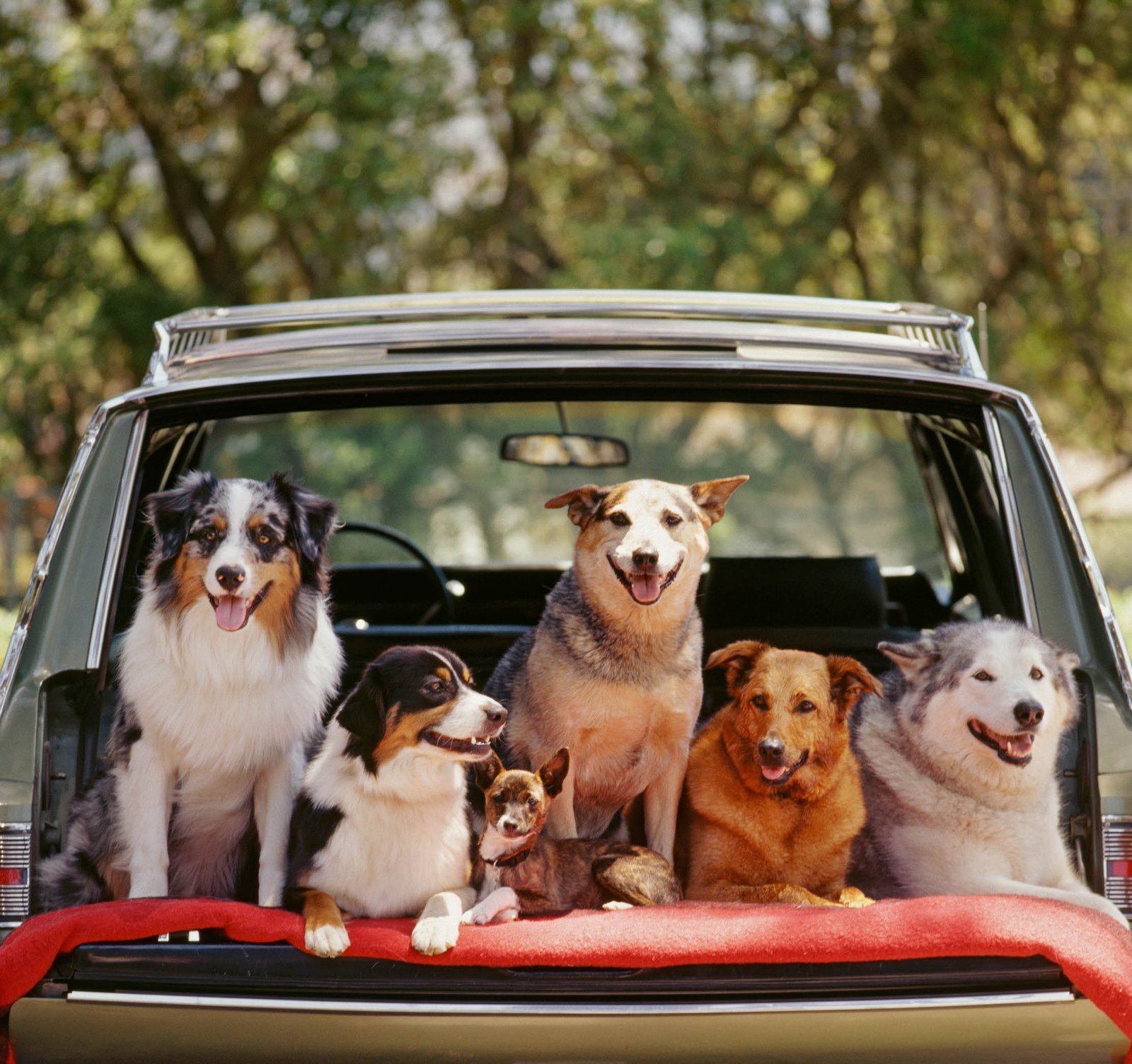
Many dogs in the United States travel by car for daily walks, vet visits, vacations, and family trips. A dog’s reaction inside a vehicle can range from excitement and calm relaxation to fear, barking, drooling, or stress. Understanding dog car behavior helps owners create safer and happier rides.
From my experience studying common dog training patterns, I have found that most travel problems come from a lack of gradual exposure. Dogs do not always dislike cars. They often need time to learn that the vehicle is a safe and predictable place.

What Is Dog Car Behavior and Why Does It Matter?
Dog car behavior describes the way a dog thinks, feels, and acts while inside a vehicle. It includes body language, movement, sounds, and reactions before, during, and after a car ride.
Good dog car behavior helps create safer trips for both pets and drivers. A relaxed dog is less likely to distract the driver or experience unnecessary stress.
- ✦ Emotional response
Dogs may show excitement, fear, confusion, or comfort based on their previous car experiences.
- ✦ Physical response
Panting, shaking, pacing, and drooling can show discomfort or anxiety.
- ✦ Learned habits
Dogs often repeat behaviors that have been rewarded or ignored over time.
Why Every Dog Reacts Differently
A puppy that learns car rides early may become comfortable quickly. An adult rescue dog with a negative past may need more patience and support.
Breed, personality, health, and social experiences can all affect dog car behavior. There is no single training method that works for every dog.
Common Signs of Stress During Car Rides
Learning to read body language makes it easier to improve dog car behavior. Dogs often communicate discomfort before they show strong reactions.
Owners should watch small signals instead of waiting for barking or panic. Early action can prevent bigger travel problems.

- ✦ Pacing or restlessness
A dog that cannot settle may feel unsure or overwhelmed by the moving vehicle.
- ✦ Excessive barking
Barking may come from excitement, fear, or reactions to outside sights and sounds.
- ✦ Drooling or vomiting
Motion sickness can affect dog comfort and may require veterinary advice.
Why Dogs Develop Car Anxiety
Dog car anxiety often develops because a dog connects the car with something unpleasant. For some dogs, the only trips they remember are visits to the veterinarian or grooming appointments.
A sudden jump into long trips can make dog car behavior worse. Short and positive experiences usually create better results.

- ✦ Negative memories
A stressful first ride can influence how a dog feels about future travel.
- ✦ Lack of exposure
Dogs that rarely ride in cars may feel confused by movement and sounds.
- ✦ Motion sickness
Physical discomfort can create fear connected to the vehicle.
Understanding Fear-Based Reactions
Fear is not stubbornness. A dog that hides, shakes, or refuses to enter a car is communicating that something feels unsafe.
Calm support and gradual practice can change dog car behavior without forcing the dog into stressful situations.
How to Train Better Dog Car Behavior Step by Step
Training should begin when the car is not moving. Let your dog explore the vehicle, reward calm actions, and create positive connections.
The goal is not to force a dog to love every ride instantly. The goal is to build trust through small wins.

- ✦ Start with the parked car
Allow your dog to sit inside the vehicle while offering treats and praise.
- ✦ Take short trips
Begin with quick drives around the neighborhood before longer journeys.
- ✦ Reward calm behavior
Give attention when your dog relaxes instead of rewarding panic.
Creating a Safe Car Setup for Your Dog
Safety tools can support better dog car behavior. A secure dog should not move freely around the vehicle because sudden movement can create risks.
Every family should choose a setup that matches the dog’s size, comfort level, and travel needs.

- ✦ Use a safety harness
A crash-tested harness can help keep a dog secure during travel.
- ✦ Provide a comfortable space
A familiar blanket or bed can help dogs feel more relaxed.
- ✦ Control distractions
Reducing outside triggers can improve focus and calmness.
How to Handle Barking and Reactivity in the Car
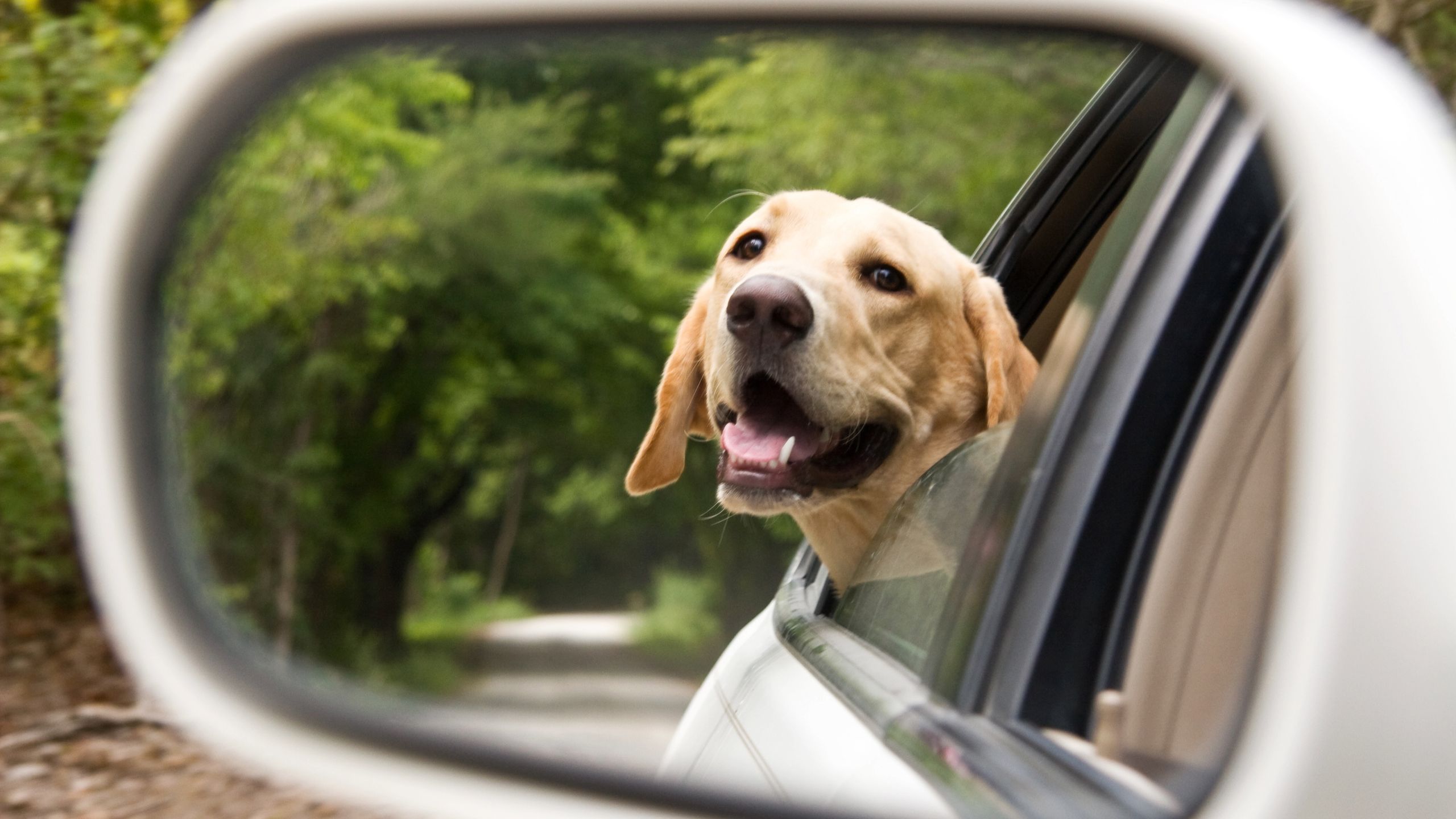
Some dogs bark at people, animals, or moving objects outside the window. This type of dog car behavior often comes from excitement or frustration.
Training should focus on teaching calm choices instead of only stopping unwanted actions.
- ✦ Reduce visual triggers
Window shades or positioning can help limit stressful sights.
- ✦ Practice attention skills
Teaching your dog to look at you can improve control during rides.
Benefits of Improving Dog Car Behavior
Better dog car behavior makes daily travel easier and improves the bond between dogs and owners. A calm dog can join more family activities without fear.
Many owners notice that patient training creates confidence beyond the car. Dogs often become more comfortable with new places and experiences.
- ✦ Safer travel
A relaxed dog creates fewer distractions for the driver.
- ✦ Less stress
Positive travel experiences can reduce fear over time.
- ✦ More adventures
Dogs with good travel habits can enjoy more outings.
