
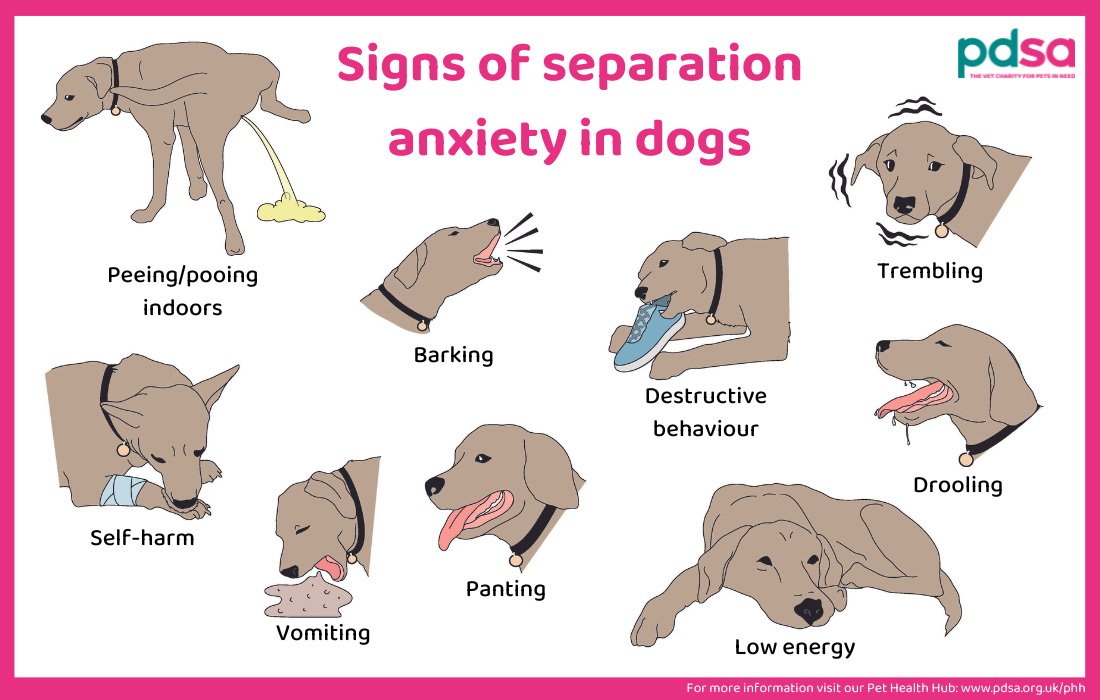
Many American dog owners notice changes in their pets when they leave home. A dog may bark, scratch doors, follow family members everywhere, or seem unable to relax alone. These actions are often signs of dog separation behavior rather than simple disobedience.
In my experience studying dog behavior patterns, the biggest improvement comes when owners stop viewing these actions as bad habits and start looking for the reason behind them. Dogs communicate through behavior, and separation-related actions often show fear, uncertainty, or a lack of coping skills.
Dog separation behavior can affect puppies, adult dogs, and senior dogs. With the right approach, many dogs can learn that being alone is safe and temporary.
What Is Dog Separation Behavior?
Dog separation behavior refers to the actions and emotional responses a dog shows when separated from their owner or family. Some dogs handle alone time well, while others become worried as soon as their person leaves.
This behavior can include mild signs like waiting near the door or serious reactions like destructive chewing and panic. The goal is not to punish the behavior but to understand what your dog is trying to communicate.
Dogs are social animals, so some attachment to humans is normal. Problems begin when a dog cannot feel safe without constant access to a person.
- ✦ Normal attachment
A healthy bond allows a dog to enjoy human company while still relaxing alone.
- ✦ Separation distress
A dog may struggle emotionally when separated and show stress-related behaviors.
- ✦ Separation anxiety
A stronger form of separation behavior where fear appears during alone time.
Why Understanding the Behavior Matters
When owners understand dog separation behavior, they can choose training methods that support confidence. Quick fixes or punishment often increase fear and make the problem harder to solve.
Common Signs of Dog Separation Behavior
Dogs show separation problems in many different ways. Some signs are easy to notice, while others are subtle and appear only during specific situations.
A dog that follows you from room to room, watches your every movement, or becomes nervous before you leave may be showing early signs of separation-related stress.
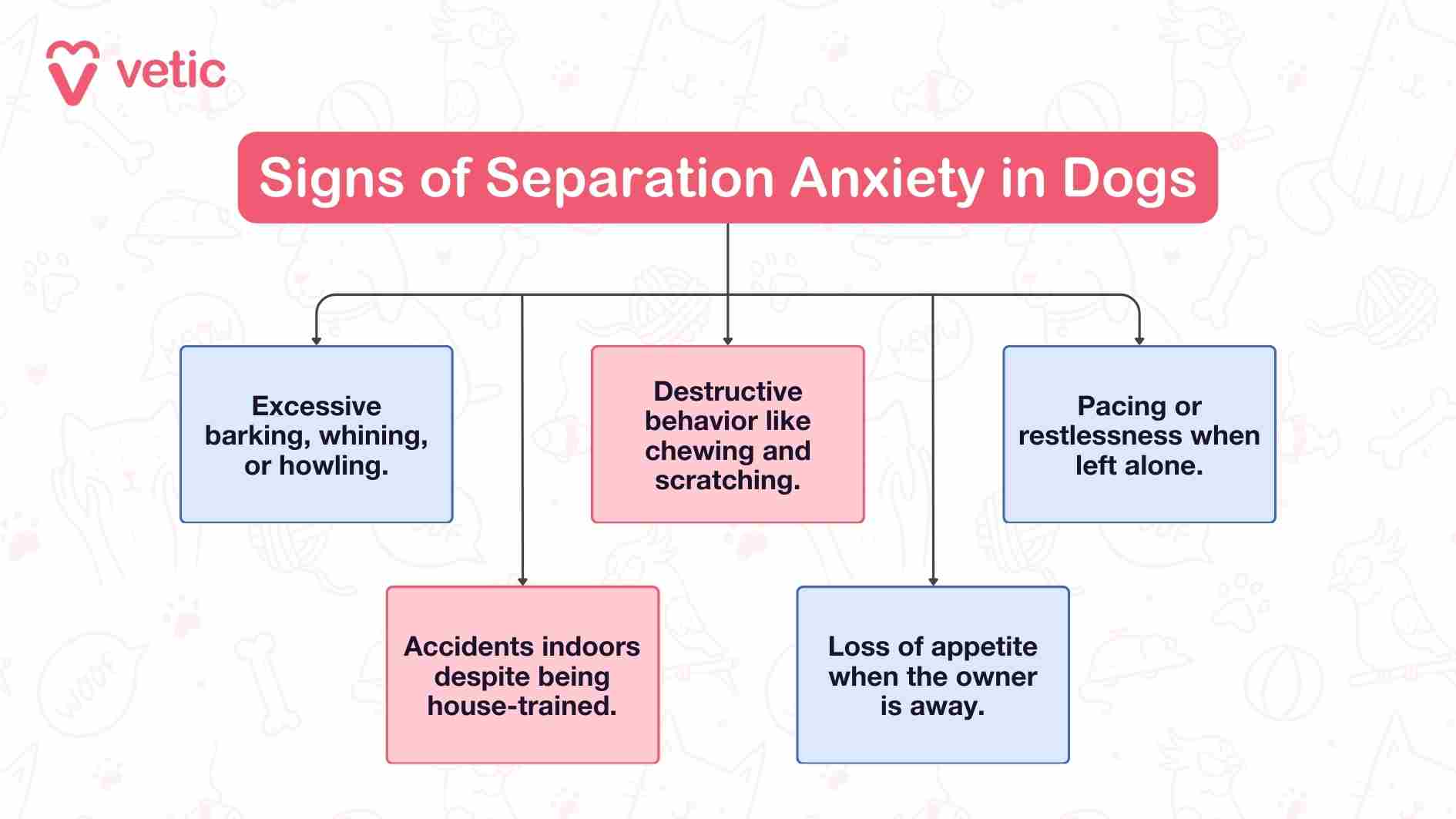
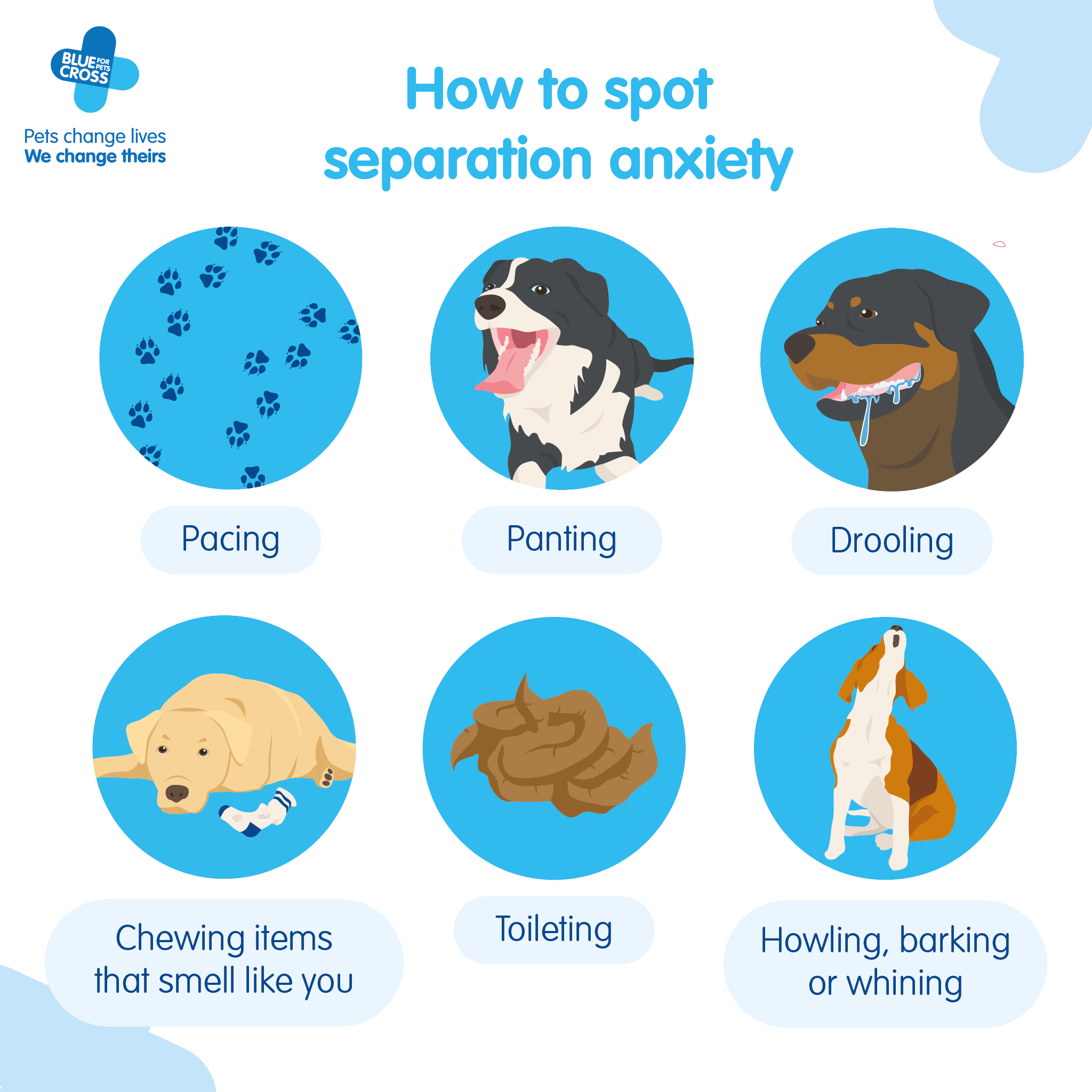
- ✦ Excessive barking or whining
Some dogs vocalize repeatedly when they feel alone or worried.
- ✦ Destructive actions
Chewing furniture, scratching doors, or damaging objects may happen during stressful alone time.
- ✦ Bathroom accidents
A trained dog may have accidents because stress affects normal control.
- ✦ Pacing and restlessness
Repeated walking, searching, or inability to settle can signal discomfort.
Signs Before You Leave Home
Some dogs begin showing stress before the owner leaves. They may react to keys, shoes, bags, or other departure signals because they connect these items with being alone.
Why Dogs Develop Separation Behavior Problems
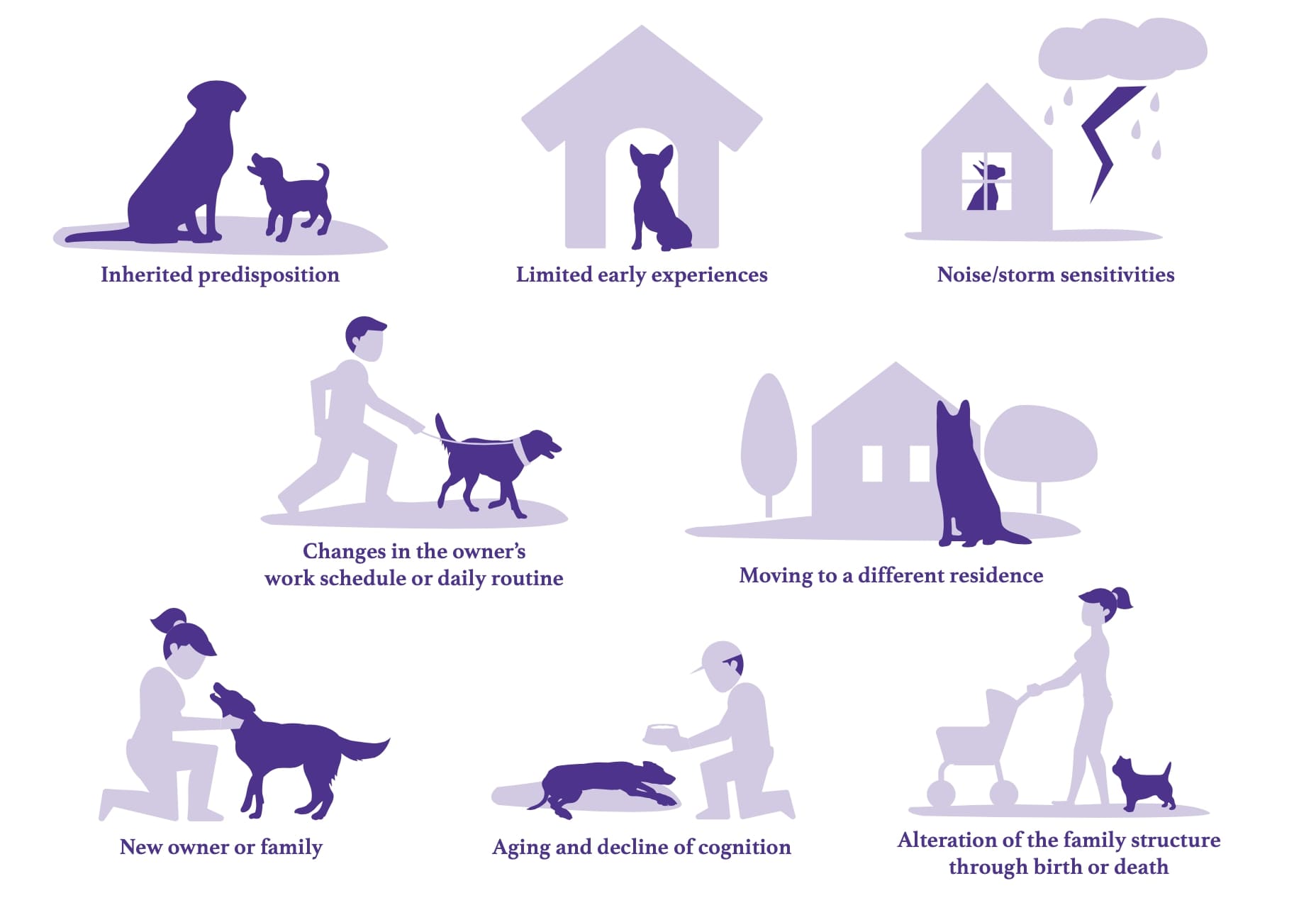
Dog separation behavior can develop for many reasons. A major life change, a new home, schedule changes, or a sudden period of being alone can affect a dog’s confidence.
Some dogs are naturally more sensitive and may need extra support learning independence. Others develop problems after a stressful event.
Finding the possible cause helps owners create a better training plan.

- ✦ Routine changes
A new work schedule or lifestyle change can make alone time feel unfamiliar.
- ✦ Past experiences
Dogs with difficult backgrounds may need more patience during separation training.
- ✦ Lack of independence skills
Dogs that never practice being alone may struggle when separation suddenly happens.
How to Train a Dog With Separation Behavior
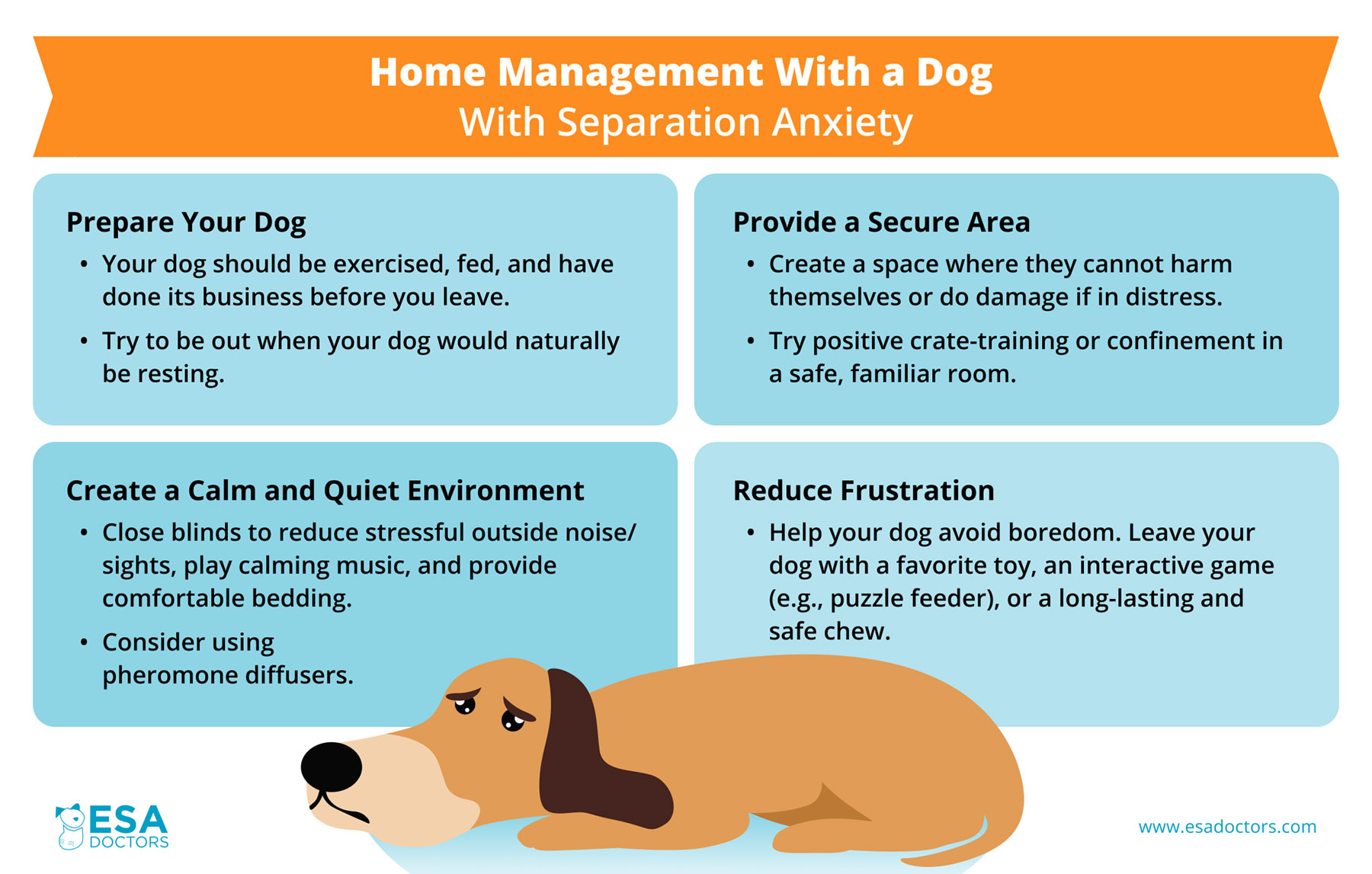
The best way to improve dog separation behavior is through gradual training. Dogs need small experiences that teach them being alone is safe.
A successful plan focuses on confidence, calm routines, and positive experiences. Progress may take time, but steady practice creates lasting changes.
- ✦ Practice short departures
Leave for very short periods and slowly increase the time as your dog stays calm.
- ✦ Create positive alone time
Use safe toys, treats, and comfortable spaces to make separation feel rewarding.
- ✦ Avoid emotional departures
Keep leaving and returning calm so your dog does not learn that departures are dramatic events.
Using Positive Reinforcement
Positive reinforcement rewards calm behavior instead of focusing on mistakes. This approach helps dogs build confidence and trust during training.
Daily Habits That Support Better Separation Behavior
Daily habits can make a major difference for dogs that struggle alone. Physical exercise, mental games, and predictable routines help reduce stress.
A tired and mentally satisfied dog often has an easier time relaxing when the owner leaves. However, exercise alone does not solve separation problems because the emotional cause still needs attention.

- ✦ Provide mental enrichment
Puzzle toys and training games help dogs use their minds in healthy ways.
- ✦ Keep a steady routine
Predictable daily patterns help dogs understand what will happen next.
- ✦ Encourage independent rest
Reward your dog for relaxing away from you.
When to Seek Professional Help for Separation Behavior
Some cases of dog separation behavior are difficult to manage without professional support. If a dog harms itself, destroys property, or experiences extreme panic, expert guidance can help.
A veterinarian can check for medical issues that may affect behavior. A qualified dog trainer or behavior professional can create a personalized training plan.

- ✦ Talk with a veterinarian
A health check can rule out medical causes behind sudden behavior changes.
- ✦ Work with a trainer
A professional can guide gradual separation exercises safely.
