
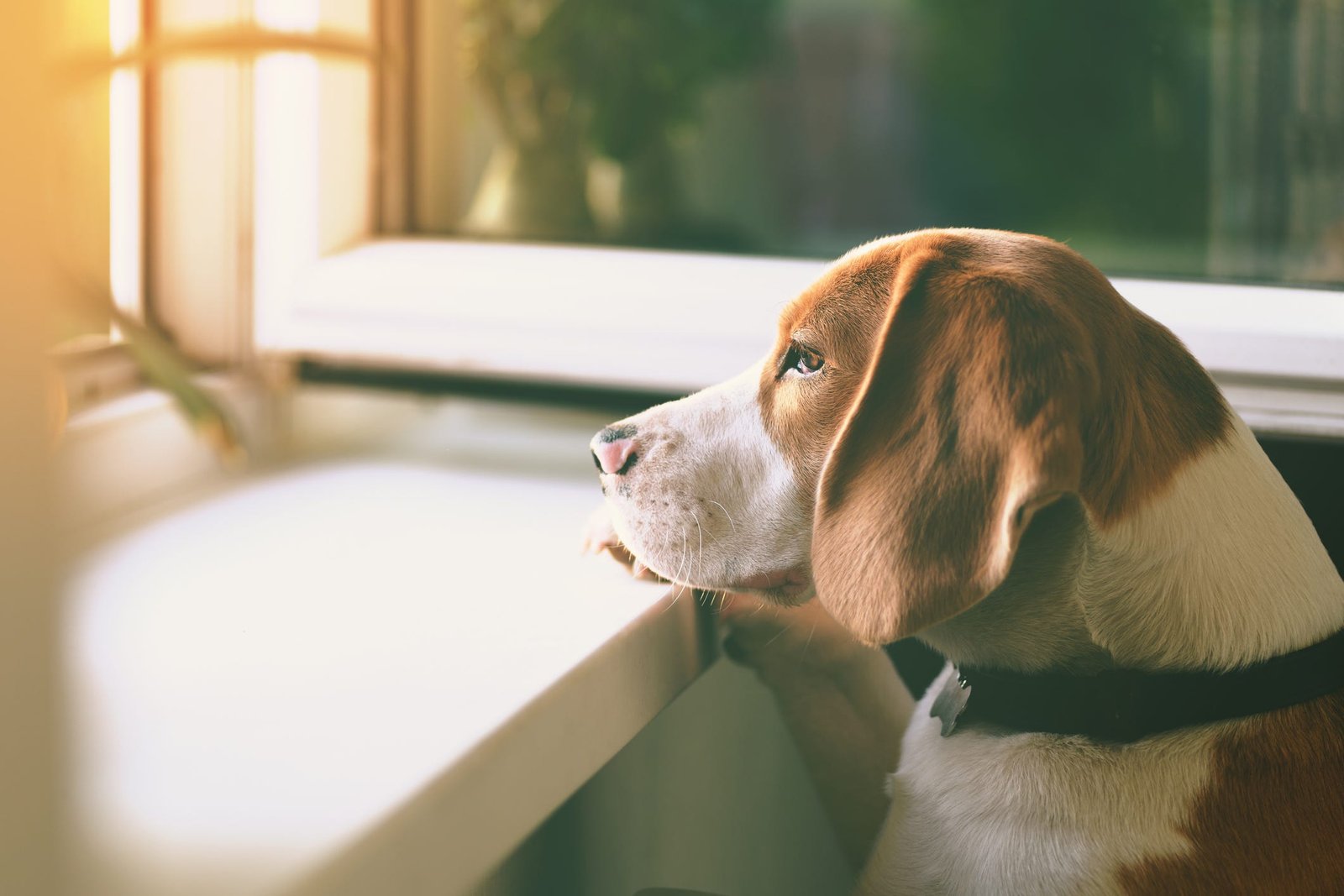
Many American dog owners balance work, errands, and family life while caring for a pet. This makes dog alone time an important part of modern dog care. A dog does not need constant attention every minute, but they do need a routine that makes them feel safe.
From working with dogs and studying common behavior patterns, one lesson stands out: successful alone time training is built on trust. Dogs that learn to relax alone often become calmer, more confident, and easier to manage in daily life.
The goal of dog alone time is not to leave a dog isolated for long periods. It is to teach a dog that being alone is normal and that their owner will always return.

What Is Dog Alone Time and Why Does It Matter?
Dog alone time means the periods when a dog stays without direct human attention. This can happen when owners go to work, shop, visit friends, or complete daily tasks.
Good dog alone time helps dogs develop independence. A well-trained dog can rest, play, and relax without feeling afraid when their owner leaves the home.
Dogs are social animals, so they need connection. However, constant attention can make some dogs struggle when they are alone. A healthy balance teaches emotional strength.
- ✦ Builds confidence
Dogs learn that they can feel safe even when their owner is not nearby.
- ✦ Reduces stress
A predictable routine can help prevent fear and unwanted behaviors.
- ✦ Supports daily life
Owners can complete necessary tasks while their dogs remain comfortable.
The Difference Between Alone Time and Isolation
Alone time is a planned part of a dog’s routine. Isolation happens when a dog lacks enough care, exercise, and social contact.
A dog that receives walks, play, training, and affection can usually handle short periods alone better than a dog with limited interaction.
- ✦ Healthy alone time
Includes preparation, enrichment, and a safe space.
- ✦ Problem isolation
May involve long periods without attention or proper care.
How Long Can Dogs Be Left Alone?
The right amount of dog alone time depends on many factors. Age, breed, health, training level, and personality all affect how long a dog can stay comfortable alone.
Many adult dogs can handle several hours alone if they have a proper routine. Puppies, senior dogs, and dogs with medical needs usually require more frequent care.
There is no single number that works for every dog. Owners should watch their dog’s behavior and adjust the schedule when needed.

- ✦ Puppies
Young puppies often need shorter alone periods because they need bathroom breaks and support with training.
- ✦ Adult dogs
Healthy adult dogs may manage longer periods when their physical and mental needs are met.
- ✦ Senior dogs
Older dogs may need more frequent breaks and extra comfort.
Factors That Change Alone Time Needs
A high-energy dog may struggle with long periods alone if they do not receive enough exercise before leaving. A calmer dog may naturally rest during the same time.
Past experiences also matter. Rescue dogs or dogs with previous abandonment experiences may need slower training.
- ✦ Energy level
Active dogs need more exercise and mental stimulation before alone time.
- ✦ Training history
Dogs with positive training experiences often adapt faster.
Signs Your Dog Is Struggling With Alone Time
Some dogs show clear signs that they are not comfortable being alone. These signs should not be ignored because they may point to stress or separation-related problems.
A dog that becomes destructive, vocal, or extremely anxious when left alone may need a slower training plan. The goal is to create positive experiences, not force independence.

- ✦ Excessive barking
Repeated barking or whining after you leave may show discomfort.
- ✦ Destructive behavior
Chewing furniture or scratching doors can happen when dogs feel stressed.
- ✦ Bathroom accidents
Unexpected accidents may occur because of anxiety rather than poor training.
When To Seek Professional Help
Severe separation anxiety can be difficult to manage alone. A qualified dog trainer or veterinarian can help create a safer plan.
Professional support is especially useful when a dog harms itself, refuses food, or shows extreme panic.
- ✦ Behavior changes
Sudden changes may require expert evaluation.
How To Train Your Dog To Enjoy Alone Time
Training dog alone time should happen in small steps. Start with very short absences and slowly increase the time as your dog becomes comfortable.
A calm routine works better than sudden long departures. Dogs learn through repeated experiences, so patience is important.
Reward relaxed behavior during alone time. This teaches your dog that being alone can lead to positive experiences.

- ✦ Start small
Leave for a few minutes and slowly increase the duration.
- ✦ Create a safe area
Use a comfortable space where your dog can rest.
- ✦ Practice calm exits
Avoid making departures and returns overly emotional.
Using Toys and Mental Enrichment
Puzzle toys, chew items, and food games can make alone time more enjoyable. Mental activity can help dogs relax while owners are away.
Choose safe enrichment items based on your dog’s size and chewing habits. Always supervise new items before leaving them alone with your dog.
- ✦ Puzzle feeders
They encourage problem-solving and slow eating.
- ✦ Comfort items
Familiar bedding or safe toys can create a relaxing environment.
Common Mistakes Owners Make During Dog Alone Time Training
Many owners want to help their dogs but accidentally create more stress. Small changes in routine can make a large difference.
Good training focuses on building confidence instead of testing how long a dog can tolerate being alone.

- ✦ Leaving too suddenly
Long absences without practice can overwhelm some dogs.
- ✦ Ignoring exercise needs
A dog with unused energy may struggle to settle.
- ✦ Punishing anxiety behaviors
Punishment can increase fear and does not teach calm behavior.
Creating a Better Daily Routine
A consistent schedule helps dogs understand what happens next. Regular walks, meals, and rest times can make alone time easier.
Many working dog owners in the U.S. use morning exercise, enrichment toys, and predictable departure routines to support their pets.
- ✦ Morning activity
Exercise before leaving can help dogs relax.
