
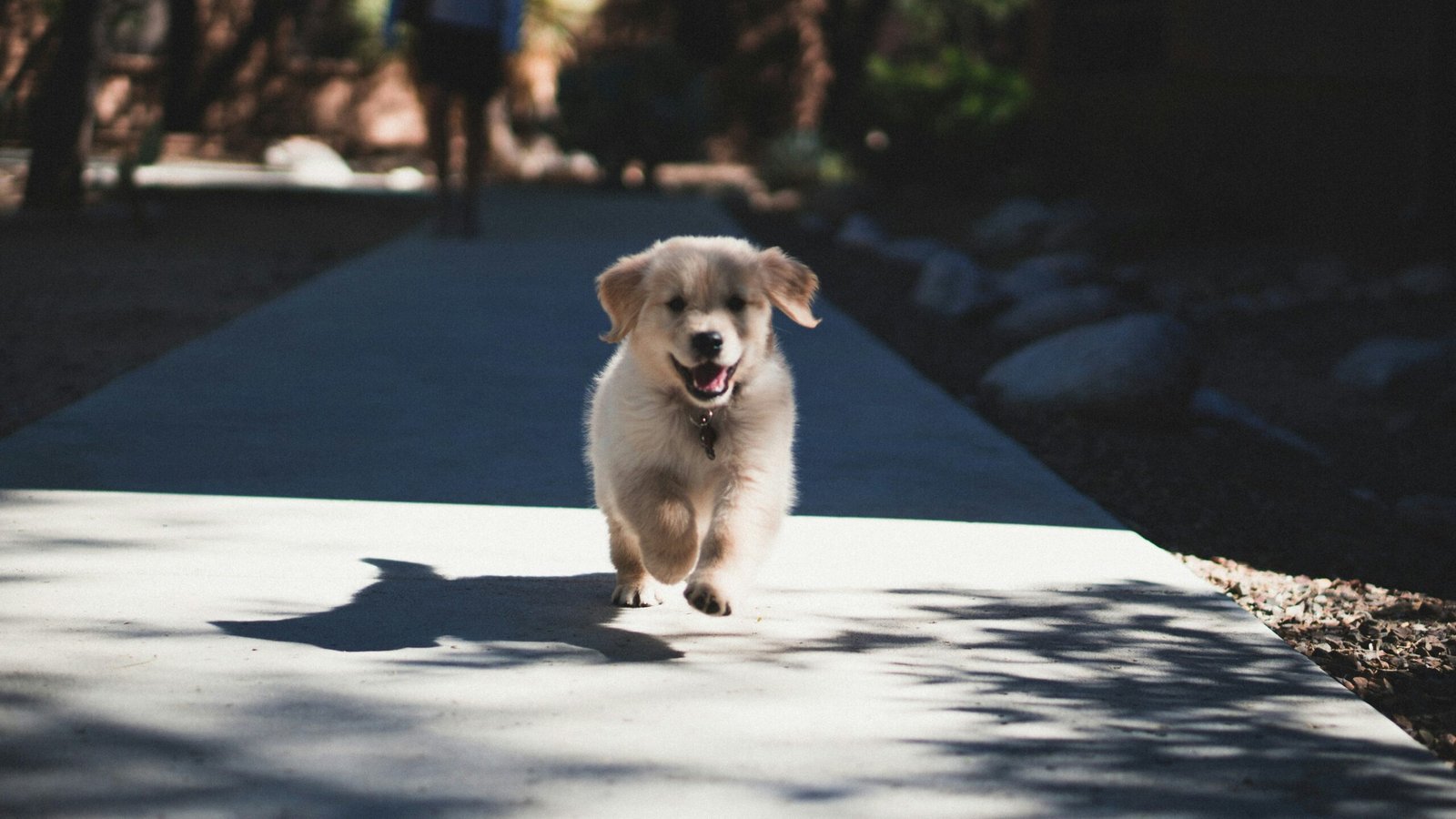
A well-planned routine is one of the simplest ways to improve a dog’s life. In my experience working with pet care topics, dogs often respond better when they know what happens next. Regular meal times, walks, training, and rest periods can make the home feel more peaceful.
Many American families have busy schedules, so dog household routines must be practical. A good routine does not need to be strict every minute. It needs to give your dog clear patterns that support good behavior, physical health, and emotional balance.

Why dog household routines matter for your pet
Dogs are creatures of habit. They learn from repeated actions and daily patterns. Strong dog household routines help dogs understand when they eat, play, go outside, and relax.
A predictable home can reduce confusion and unwanted behaviors. When dogs have enough exercise, attention, and rest, they are often better prepared to handle changes in their environment.
- ✦ Less stress
A familiar schedule helps dogs feel safe because they can predict common daily events.
- ✦ Better behavior
Regular activity and training can reduce boredom-related actions like chewing or excessive barking.
- ✦ Health support
Consistent feeding and exercise habits support healthy weight and digestion.
How routines affect dog emotions
Dogs may not understand clocks, but they understand patterns. They notice sounds, movements, and repeated family habits.
A stable routine can help dogs feel confident because they know what to expect from their home environment.
- ✦ Emotional comfort
Repeated routines can provide comfort during busy family days.
Building a daily schedule with dog household routines
The best dog household routines include basic needs first. Food, bathroom breaks, movement, mental stimulation, and sleep should all have a place in the day.
A morning routine may include a bathroom trip, breakfast, and a short walk. Evening routines may focus on calm play, training, and preparing for sleep.

- ✦ Morning routine
Start with outdoor time, fresh water, breakfast, and gentle activity.
- ✦ Afternoon routine
Include exercise, enrichment toys, or short training sessions.
- ✦ Night routine
Use calm activities to help your dog relax before bedtime.
Example daily dog schedule
A sample schedule can help new dog owners create a starting point. The exact timing should change based on your dog’s needs.
Adult dogs may need fewer bathroom breaks than puppies, while senior dogs may need slower walks and extra rest.
- ✦ 7 AM
Bathroom break, breakfast, and morning movement.
- ✦ 12 PM
Short activity period, mental games, or outdoor time.
- ✦ 6 PM
Dinner, family interaction, and a relaxing walk.
Feeding habits and nutrition in dog household routines
Meal times are an important part of dog household routines. Dogs often feel more comfortable when food arrives at predictable times.
Avoid making sudden food changes. If you need to change your dog’s diet, a slow transition is usually easier on the digestive system.

- ✦ Keep meal times steady
Regular feeding times help create structure and make monitoring appetite easier.
- ✦ Provide fresh water
Clean water should always be available throughout the day.
Adjusting routines for puppies and senior dogs
Puppies often need more frequent meals, bathroom trips, and training sessions. Older dogs may need shorter activities with more recovery time.
Good dog household routines change as your dog grows.
- ✦ Puppies
Need frequent breaks, social learning, and gentle training.
- ✦ Senior dogs
Need comfort, joint-friendly movement, and regular health checks.
Exercise and mental enrichment in dog household routines
Exercise is a major part of successful dog household routines. Dogs need movement to support their body and activities that challenge their mind.
A short training game, puzzle toy, or sniffing walk can be as valuable as physical exercise. Mental work helps prevent boredom.

- ✦ Daily walks
Walks provide exercise, exploration, and healthy stimulation.
- ✦ Training games
Simple commands improve communication between dogs and owners.
- ✦ Play sessions
Interactive play strengthens the bond between pets and families.
Creating realistic routines for busy owners
Many U.S. dog owners balance work, family, and personal tasks. A realistic routine works better than a perfect plan that cannot be followed.
Small daily actions often create better results than occasional large efforts.
- ✦ Use simple habits
Connect dog care tasks with existing daily activities.
Creating a comfortable home environment with routines
The home environment plays a big role in dog household routines. Dogs benefit from having a quiet place to sleep, safe toys, and clear household rules.
Family members should follow similar routines. Mixed signals can confuse dogs and slow training progress.

- ✦ Create a rest area
Give your dog a comfortable place where it can relax without disturbance.
- ✦ Keep rules consistent
Everyone in the home should use the same expectations.
Handling changes in routine
Life changes happen. Travel, new jobs, guests, or moving homes can affect your dog’s schedule.
Slow adjustments help dogs accept changes with less stress.
- ✦ Change gradually
Move meal times or activities slowly when possible.
