
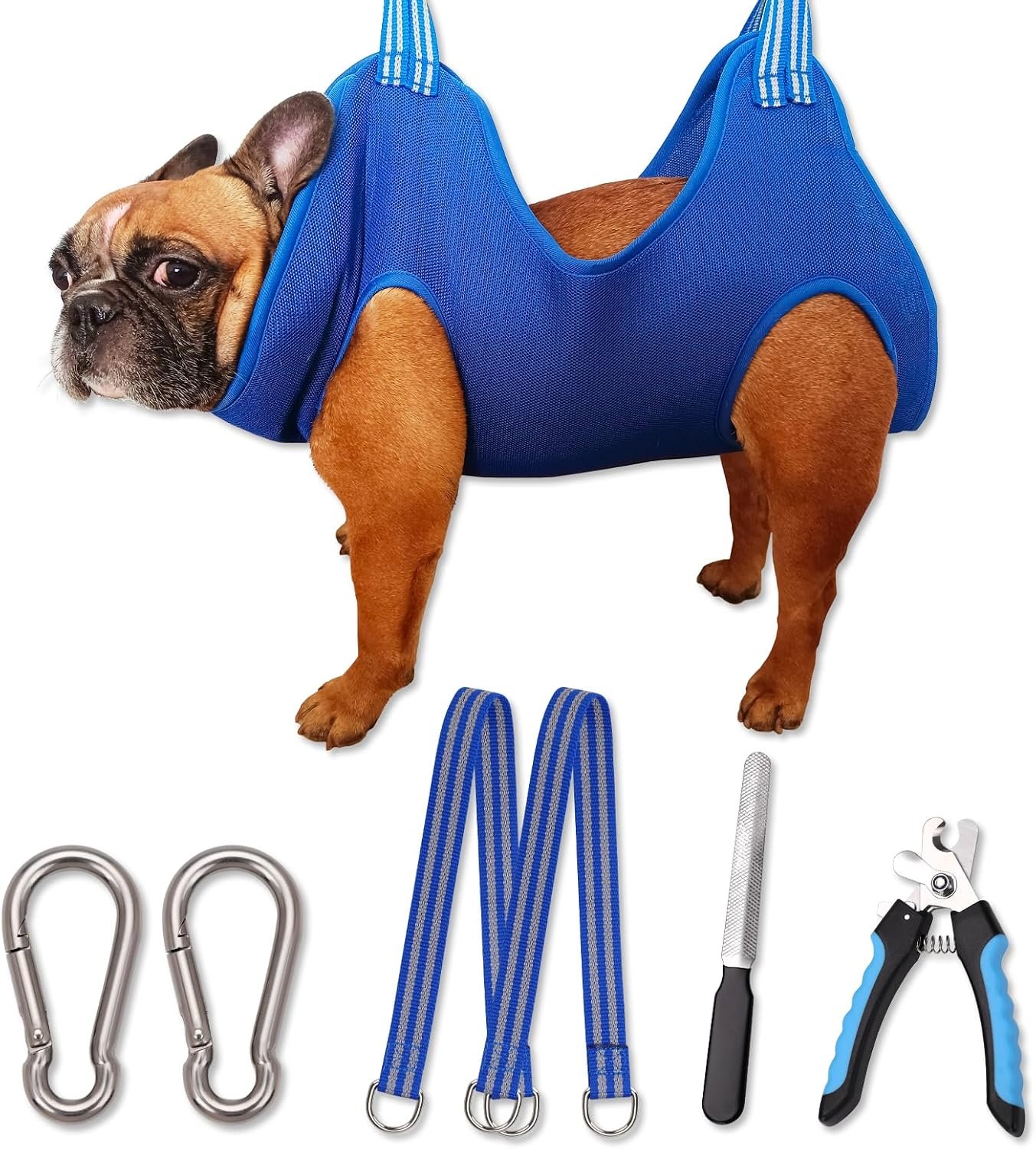
Dog grooming restraint keeps a dog safely positioned during grooming while reducing sudden movement.
A dog grooming restraint is a tool or technique used to help control a dog’s movement during grooming. It can make tasks like nail clipping, coat trimming, brushing, and bathing safer for both the dog and the person handling them.
In professional grooming settings across the United States, safe handling is a key part of quality care. Experienced groomers know that restraint should never mean forcing a dog. The goal is to provide support, prevent injury, and create a calm grooming experience.
Many dogs feel unsure during grooming because of unfamiliar sounds, tools, or handling. A properly used dog grooming restraint can help a nervous dog feel more secure while allowing the groomer or owner to work carefully.

What Is a Dog Grooming Restraint?
A dog grooming restraint is a device or handling method that limits unsafe movement during grooming. Common examples include grooming loops, adjustable straps, grooming hammocks, and support harnesses.
The purpose of a dog grooming restraint is not to punish or scare a dog. It gives controlled support so the animal can stay balanced while receiving care.
A good restraint allows normal breathing, comfortable posture, and safe movement. It should never cause pain, choking, or stress.

- ✦ Grooming loops
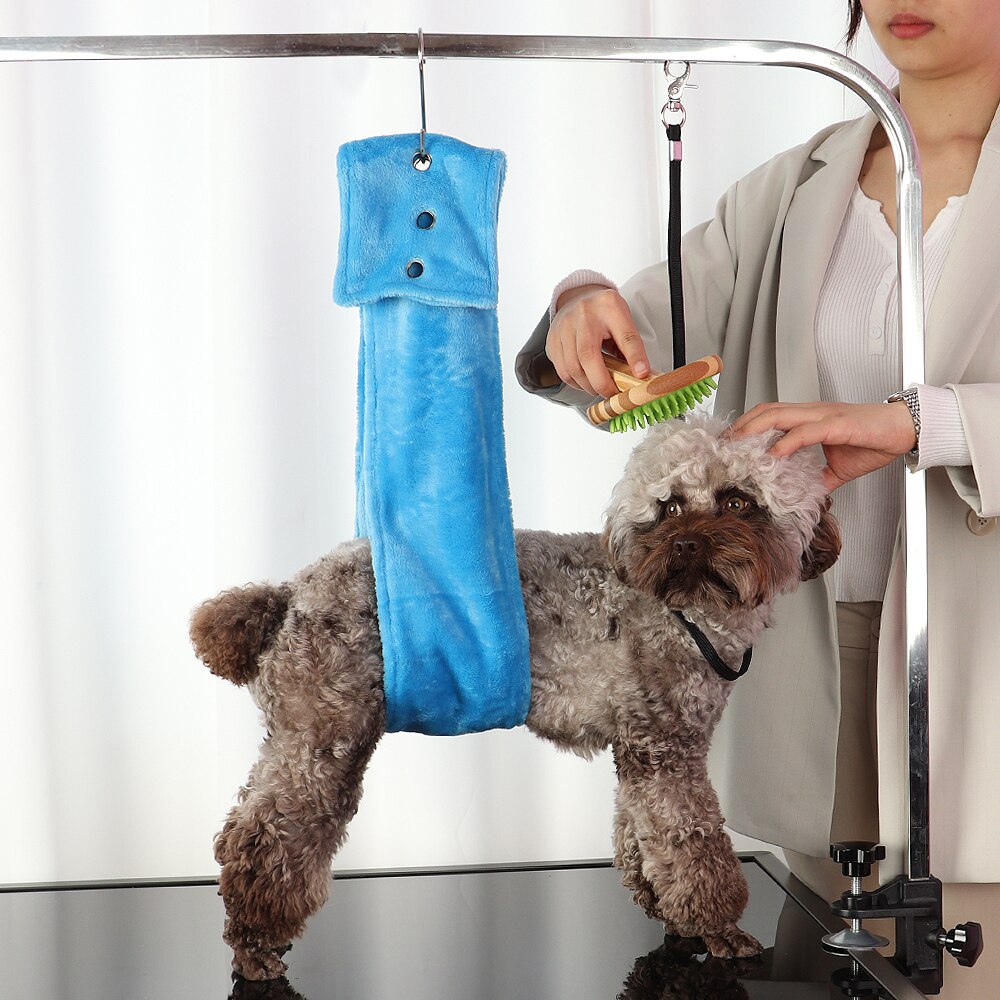
These attach to grooming arms and help keep a standing dog in a stable position.
- ✦ Grooming hammocks
These support smaller dogs during nail trimming and similar tasks.
- ✦ Support straps
These help guide movement while keeping the dog secure during grooming.
Why Dog Grooming Restraint Is Important for Safe Grooming
Grooming often requires a dog to stay still for several minutes. Sudden movement can make tasks harder and may increase the chance of small injuries.
A dog grooming restraint helps create a safer work area. It gives the handler better control while allowing the dog to remain comfortable.
Many professional groomers use restraint systems because they improve handling during busy appointments. The right setup can reduce stress for both the dog and the groomer.

- ✦ Better safety
A stable dog is less likely to jump, twist, or move suddenly during grooming.
- ✦ Improved accuracy
Steady positioning helps with careful brushing, trimming, and nail care.
- ✦ Reduced stress
Gentle support can help some dogs feel more secure during unfamiliar grooming steps.
How restraint supports nervous dogs
Nervous dogs often react to uncertainty rather than the grooming process itself. A calm introduction to a dog grooming restraint can help them understand that grooming is safe.
Owners should introduce tools slowly. Short sessions with rewards usually work better than forcing a dog to accept restraint immediately.
- ✦ Start slowly
Let the dog smell and see the restraint before using it.
Types of Dog Grooming Restraint Tools
Different dogs need different levels of support. A small dog getting a nail trim may need a different dog grooming restraint than a large dog standing on a grooming table.
Choosing the right tool depends on the dog’s size, behavior, grooming task, and comfort level.
Professional equipment should always match the dog’s body shape and should be checked before every use.

- ✦ Adjustable grooming loops
Useful for table grooming because they help keep dogs standing safely.
- ✦ Nail trimming hammocks
Helpful for small dogs that resist paw handling.
- ✦ No-sit restraints
Designed to help prevent sitting during certain grooming procedures.
How to Use a Dog Grooming Restraint Correctly
Using a dog grooming restraint correctly starts with preparation. Check that the equipment fits properly and that all clips, straps, and connections are secure.
Place the restraint gently and watch the dog’s body language. Signs like heavy panting, freezing, shaking, or trying to escape may show discomfort.
During grooming, keep sessions calm and take breaks when needed. A restraint should support the process, not replace patience and training.
- ✦ Check the fit
The restraint should be secure without being tight or restricting breathing.
- ✦ Monitor behavior
Stop and adjust if the dog shows signs of fear or discomfort.
- ✦ Reward calm behavior
Treats and praise can create a positive grooming routine.
Common mistakes to avoid
One common mistake is leaving a dog unattended while attached to a restraint. Dogs can become tangled or panic if they are alone.
Another mistake is choosing equipment based only on price. A poor-quality restraint may not provide safe support.
- ✦ Never leave unattended
Always supervise a restrained dog during grooming.
Choosing the Best Dog Grooming Restraint for Your Dog
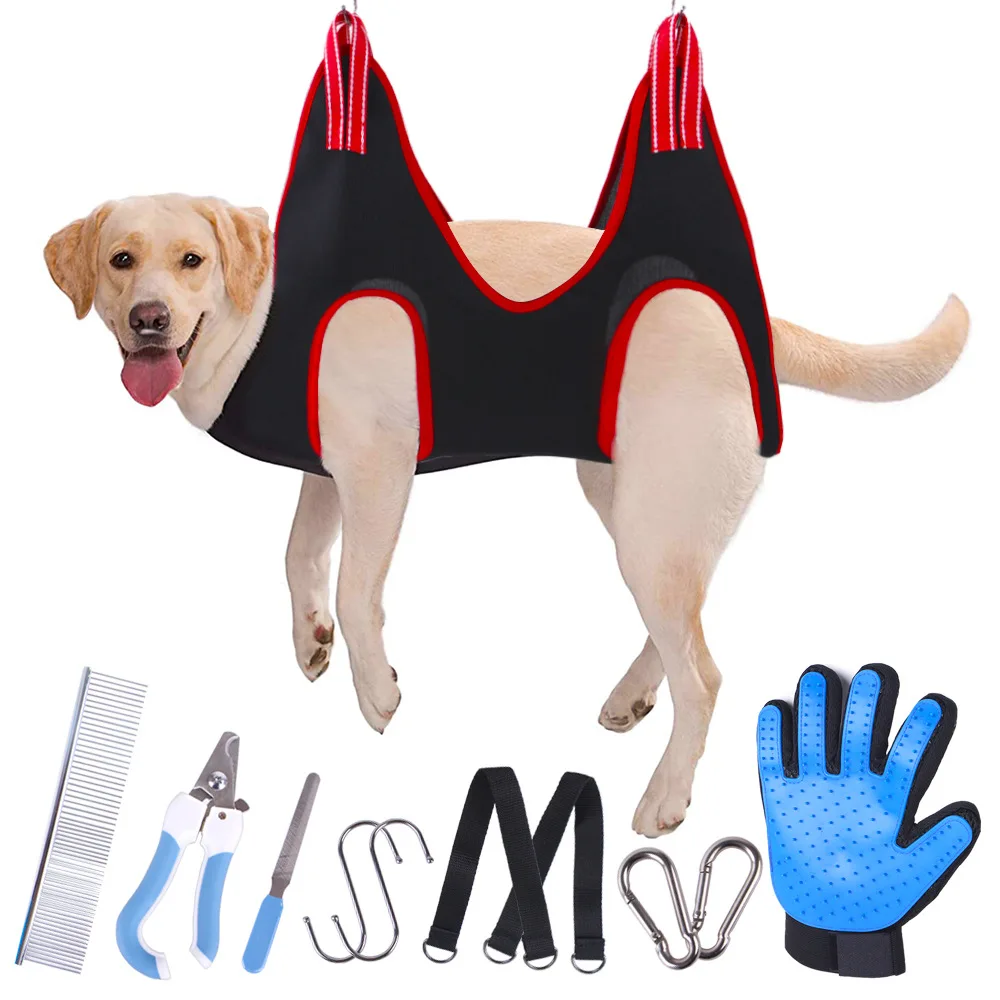
The best dog grooming restraint depends on your dog’s size, coat type, and grooming needs. A lightweight option may work well for a small dog, while larger breeds may need stronger support.
Comfort should be the first priority. Look for soft materials, adjustable parts, and designs that allow natural posture.
Before buying a dog grooming restraint, consider how often you groom your dog and which tasks require extra control.
- ✦ Consider dog size
Match the restraint strength and design to your dog’s weight and body shape.
- ✦ Check material quality
Strong, comfortable materials improve safety and durability.
- ✦ Think about grooming needs
Different tasks may require different restraint styles.
Dog Grooming Restraint Safety Tips for Home and Professional Use
Safety is the most important part of using any grooming equipment. Even a well-designed dog grooming restraint needs careful handling.
At home, owners should practice patience and avoid rushing grooming sessions. Professional groomers should continue watching the dog’s comfort throughout the appointment.
A safe grooming routine builds trust over time. Dogs that feel secure often become easier to handle during future grooming.
- ✦ Use supervision
Stay with your dog whenever a restraint system is attached.
- ✦ Keep sessions short
Short grooming periods can help dogs adjust more easily.
- ✦ Clean equipment
Wash and inspect restraints regularly to maintain hygiene.
