
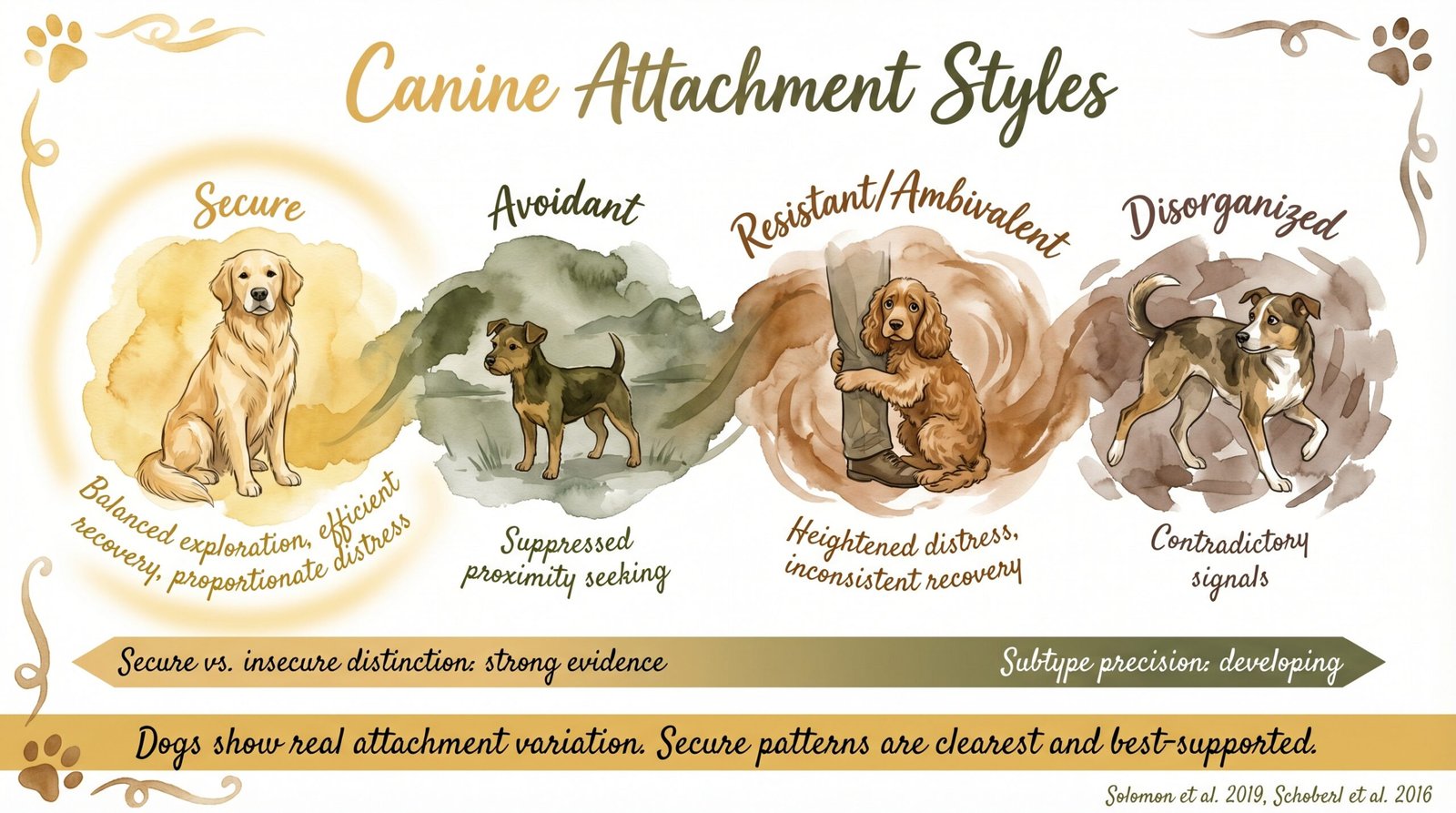
Dog attachment behavior is one of the most important parts of the human and dog relationship. A dog does not only connect with people for food or shelter. Dogs learn who provides safety, comfort, play, and guidance. This bond shapes how they react to new places, daily routines, and time apart from their owners.
In my experience studying dog behavior, many owners confuse strong attachment with a dog simply following them everywhere. True attachment is about trust and emotional security. A well-attached dog can enjoy your company while also feeling calm when you are not nearby.
 display: block; margin: 0 auto; border-radius: 12px; box-shadow: 0 8px 25px rgba(0, 0, 0, 0.12);”>
What is dog attachment behavior?
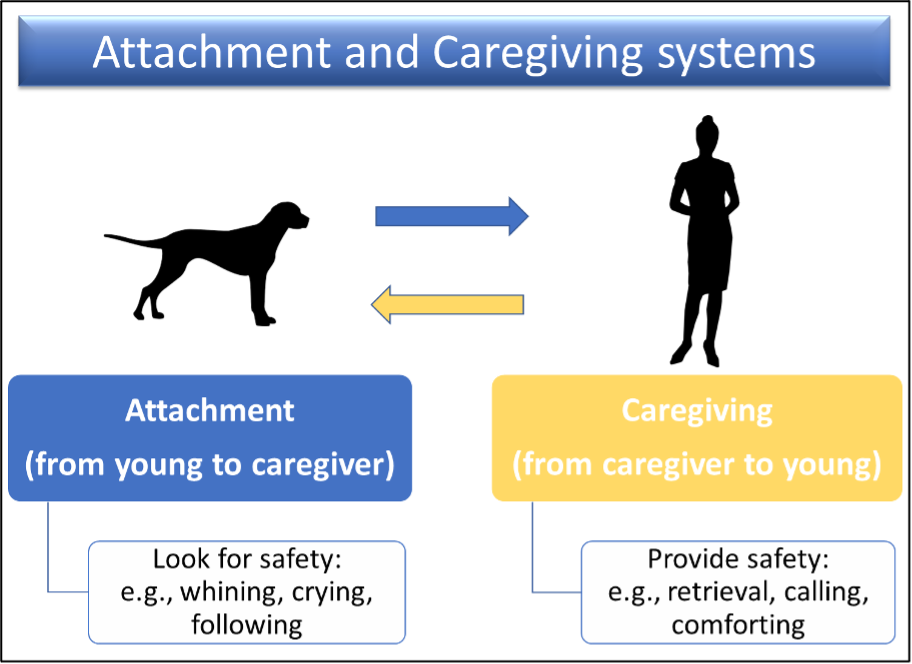
Dog attachment behavior refers to the emotional connection a dog develops with a person or group of people. This connection helps the dog identify a trusted source of safety and support.
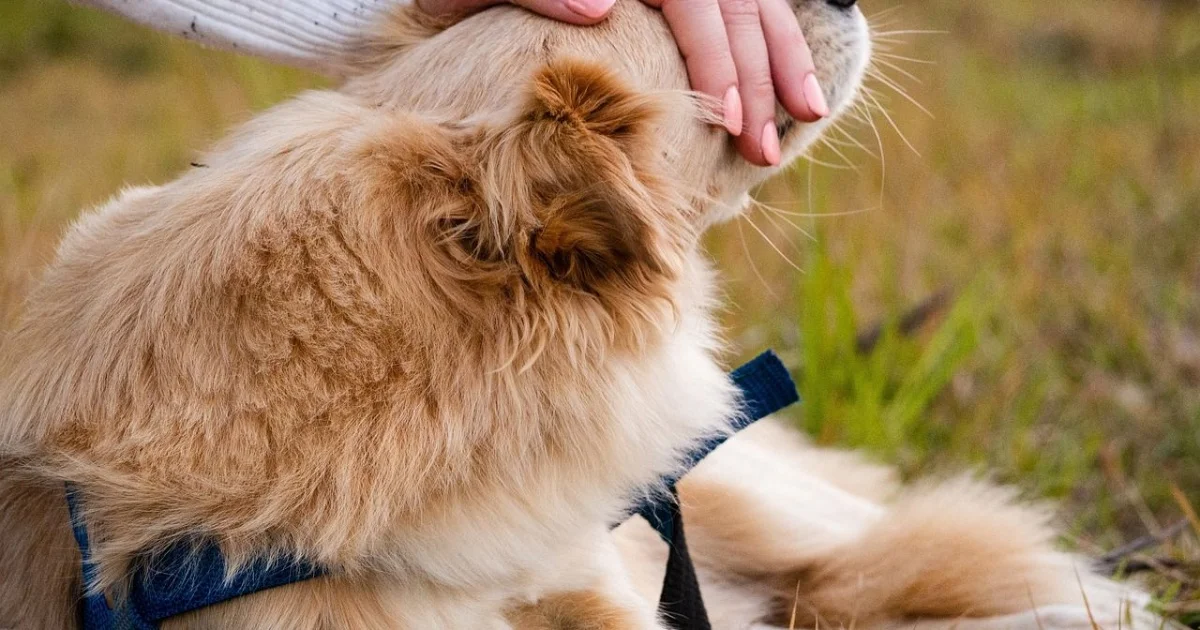
Dogs with healthy attachment often seek their owner’s presence, use them as a safe base, and show comfort through relaxed body language. This behavior is similar to attachment patterns seen in other social animals.
- ✦ Seeking closeness
Dogs may stay near their owners because they feel secure and enjoy social connection.
- ✦ Using owners as a safe base
A dog may check back with its owner during walks or new experiences for reassurance.
- ✦ Showing trust
Relaxed behavior, eye contact, and willingness to follow guidance can show a strong bond.
Why dogs form attachments with humans
Dogs are social animals that evolved alongside humans. Over thousands of years, dogs developed strong communication skills that allow them to understand human emotions, signals, and routines.
- ✦ Daily care
Regular feeding, exercise, and comfort help dogs connect positive experiences with their caregivers.
Common signs of healthy dog attachment behavior
Healthy dog attachment behavior appears in many small daily actions. These signs do not mean a dog is dependent. They usually show that the dog feels safe with its owner.
Every dog has a different personality. Some dogs show affection through physical contact, while others show attachment by calmly staying nearby.
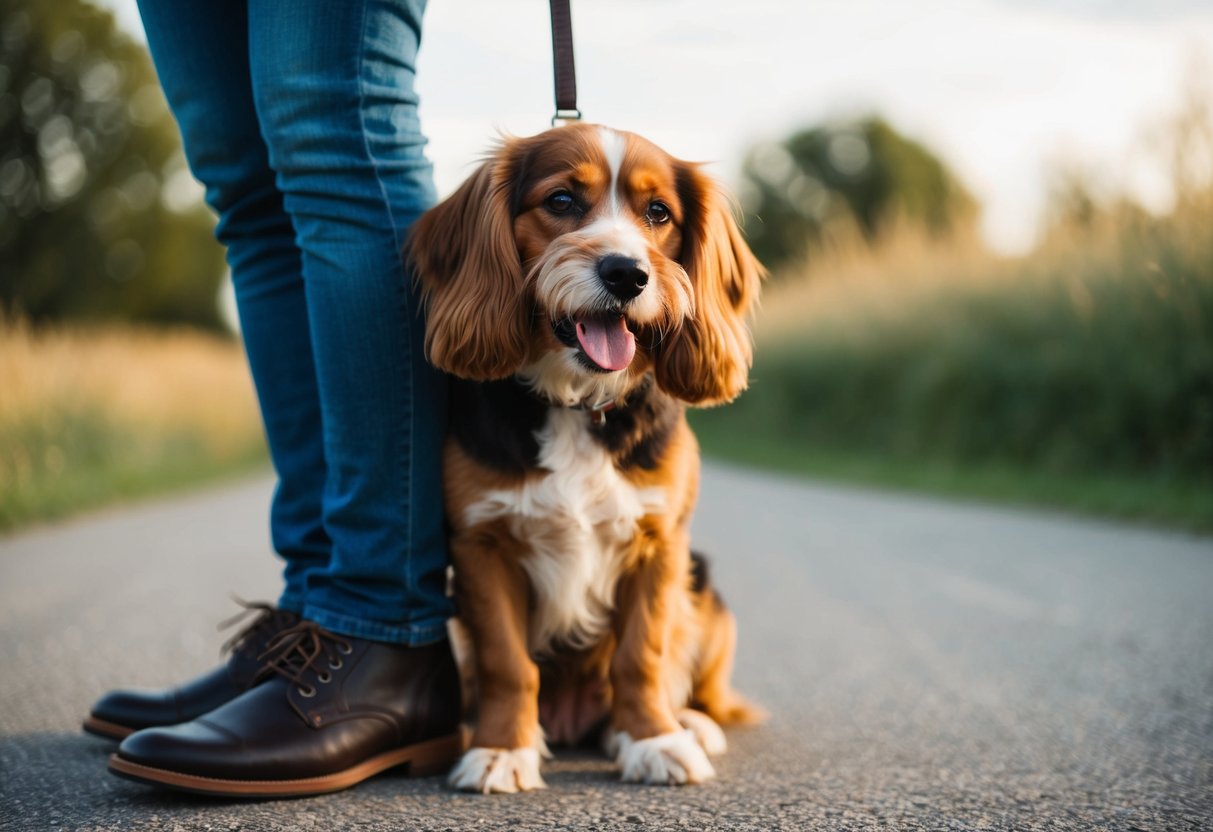
- ✦ Following you calmly
A securely attached dog may follow you around because it enjoys your company, not because it feels afraid.
- ✦ Relaxing around you
Dogs often sleep, rest, or expose their vulnerable areas when they trust someone.
- ✦ Greeting you happily
Excited but balanced greetings can show recognition and emotional connection.
Attachment versus unhealthy dependence
A strong bond is different from extreme dependence. A healthy dog can enjoy alone time, explore safely, and recover from small changes in routine.
- ✦ Healthy attachment
The dog seeks interaction but remains confident when separated.
- ✦ Possible over-attachment
The dog may panic, destroy items, or become highly stressed when left alone.
Different attachment styles in dogs
Researchers have explored how dogs and humans create attachment patterns. These patterns can vary based on genetics, early experiences, training, and the quality of care a dog receives.
Understanding attachment styles can help owners support their dog’s emotional needs without creating fear or stress.

- ✦ Secure attachment
The dog trusts the owner and can explore the environment while returning for comfort.
- ✦ Insecure attachment
The dog may show uncertainty, excessive worry, or difficulty coping with changes.
How early experiences affect attachment
Puppies learn important social lessons during early development. Gentle handling, positive experiences, and stable care can support confident behavior later in life.
- ✦ Positive socialization
Safe exposure to people, sounds, and environments helps puppies build confidence.
How to build stronger dog attachment behavior
Building a strong bond with your dog takes time and consistency. Dogs learn through repeated experiences, so small daily actions matter.
The goal is not to make a dog depend on you for every moment. The goal is to become a trusted partner who provides safety and guidance.
- ✦ Create predictable routines
Regular meal times, walks, and training sessions help dogs understand what to expect.
- ✦ Use positive training
Reward-based training builds trust and encourages communication between dogs and owners.
- ✦ Provide quality time
Play, walks, and calm interaction strengthen emotional connection.
The role of independence training
Teaching a dog to relax alone is part of healthy attachment. Independence skills help prevent fear when the owner leaves the home.
- ✦ Short separation practice
Gradual alone-time training can help dogs build confidence.
Dog attachment behavior and separation anxiety
Separation anxiety is different from normal attachment. A dog with separation anxiety experiences intense stress when left alone and may show behaviors such as barking, pacing, or destructive actions.
Owners should avoid punishment because fear-based responses can increase stress. A calm training plan and professional guidance may help dogs that struggle with severe anxiety.

- ✦ Watch for stress signals
Whining, pacing, drooling, and escape attempts can indicate emotional distress.
- ✦ Support confidence
Mental enrichment, exercise, and gradual training can improve coping skills.
