
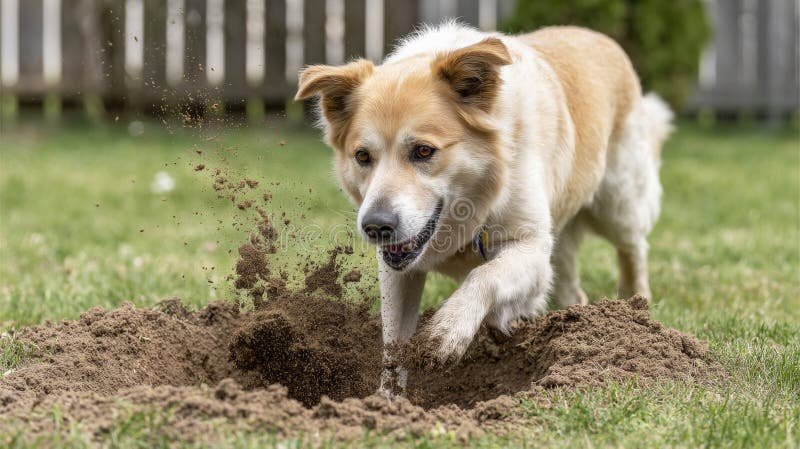
Dog digging behavior is one of the most common habits noticed by dog owners across the United States. A dog may dig holes in a backyard, scratch at blankets, or search through soil for many different reasons. This behavior is not always a problem because digging is part of a dog’s natural way of exploring the world.
From working with dogs and studying canine habits, I have found that digging becomes easier to manage when owners look at the cause first. A Labrador digging near a fence may have a different reason than a Husky digging a cool spot in the yard. Understanding the message behind the action helps create better solutions.
What is dog digging behavior?
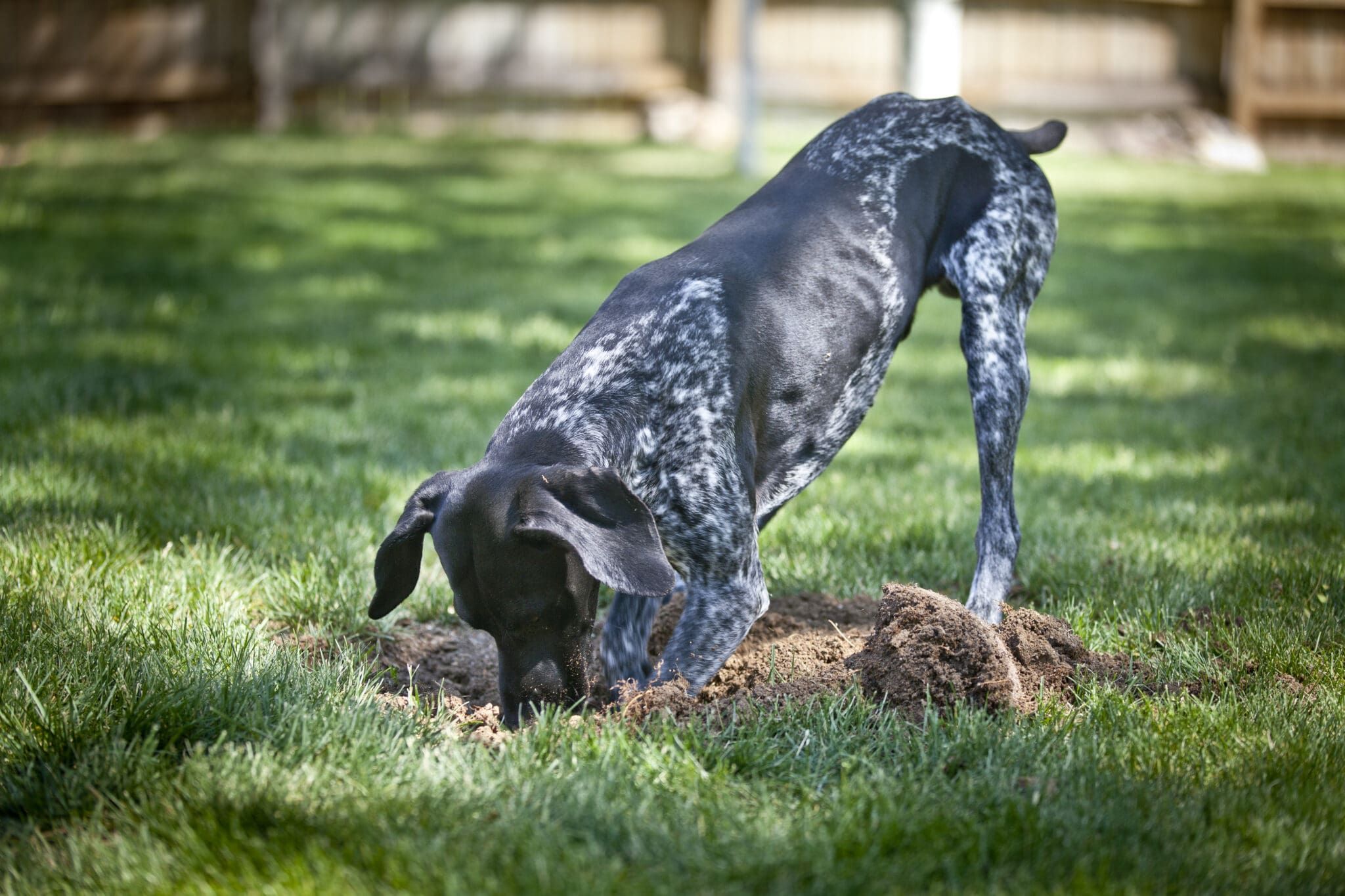
Dog digging behavior is a natural action where a dog uses its front paws, nose, and body movement to move soil, bedding, or other surfaces. Dogs may dig outdoors in gardens, indoors on carpets, or even in their sleeping area.
This behavior comes from ancient canine instincts. Wild dogs and their relatives dig to create safe resting places, find food, hide resources, and protect themselves from weather. Modern pets still carry many of these instincts, even when they live in comfortable homes.
- ✦ Natural instinct
Digging is built into many dogs because their ancestors used this skill for survival and comfort.
- ✦ Communication method
Dogs may dig to express excitement, stress, boredom, or a desire for attention.
Why digging is not always bad
Many owners see holes in the yard and assume something is wrong. However, safe digging can provide exercise, mental stimulation, and a healthy outlet for natural behavior.
Common reasons behind dog digging behavior
Dogs rarely dig without a reason. Finding the cause is the first step toward changing unwanted dog digging behavior. The same action can have different meanings depending on the dog’s age, breed, environment, and daily routine.
A young puppy may dig because it is exploring. An adult dog may dig because it lacks exercise or wants a comfortable place to rest. Observing when and where your dog digs can reveal useful clues.
- ✦ Boredom and excess energy
Dogs with limited exercise or mental challenges may dig because they need an activity.
- ✦ Seeking comfort
Some dogs dig soft areas to create a comfortable sleeping spot or a cooler place during hot weather.
- ✦ Hunting instincts
Dogs may dig when they smell insects, rodents, or other animals underground.
- ✦ Trying to escape
Digging near fences can happen when a dog wants to explore outside the yard or reach another animal.
Breed differences and digging habits
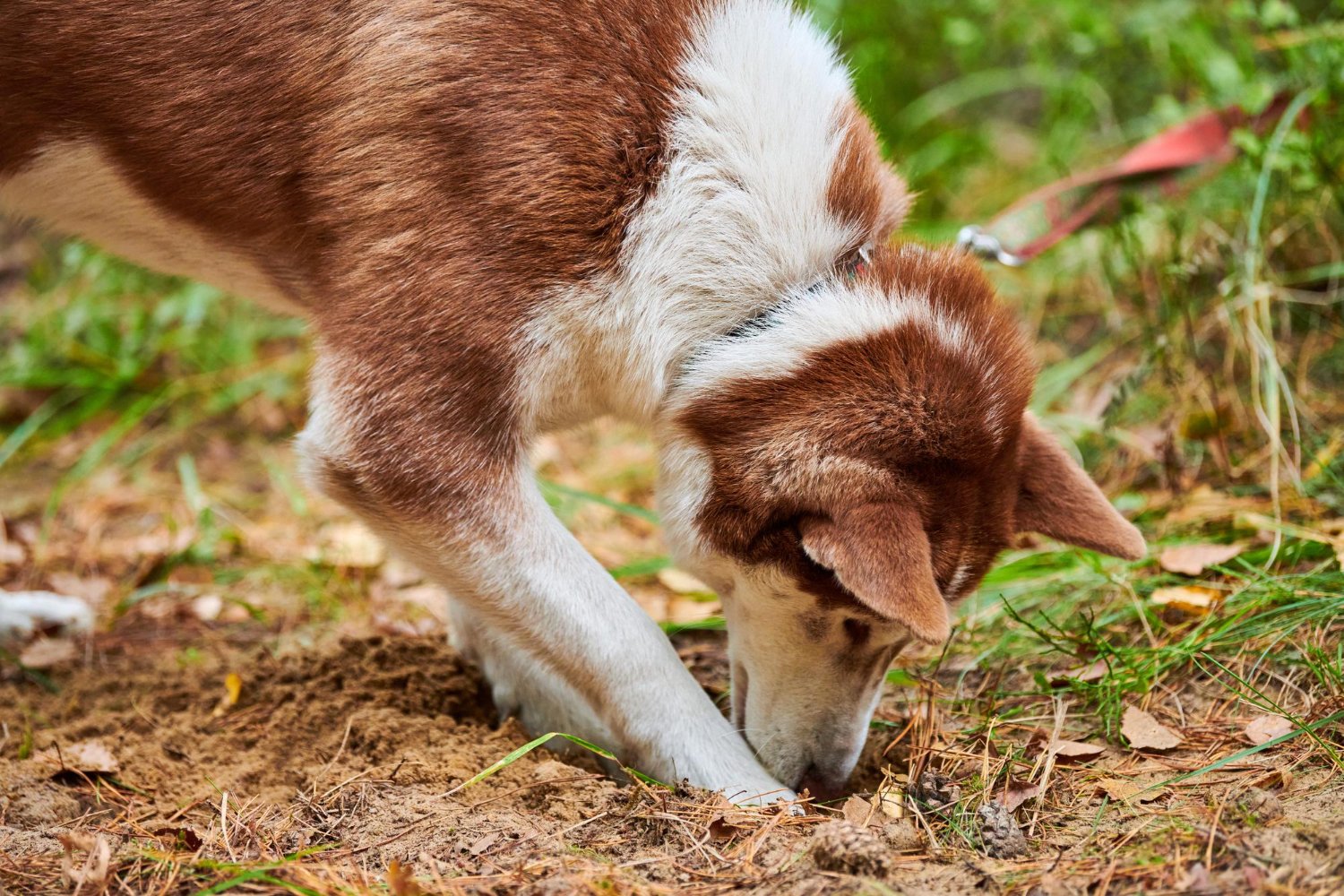
Some breeds are more likely to dig because of their history. Terriers were bred to hunt underground animals, while northern breeds such as Huskies may dig because of strong outdoor instincts.
Breed does not decide everything. A well-exercised dog of any breed may dig less than a bored dog with no daily enrichment.
Signs that your dog’s digging may be a problem
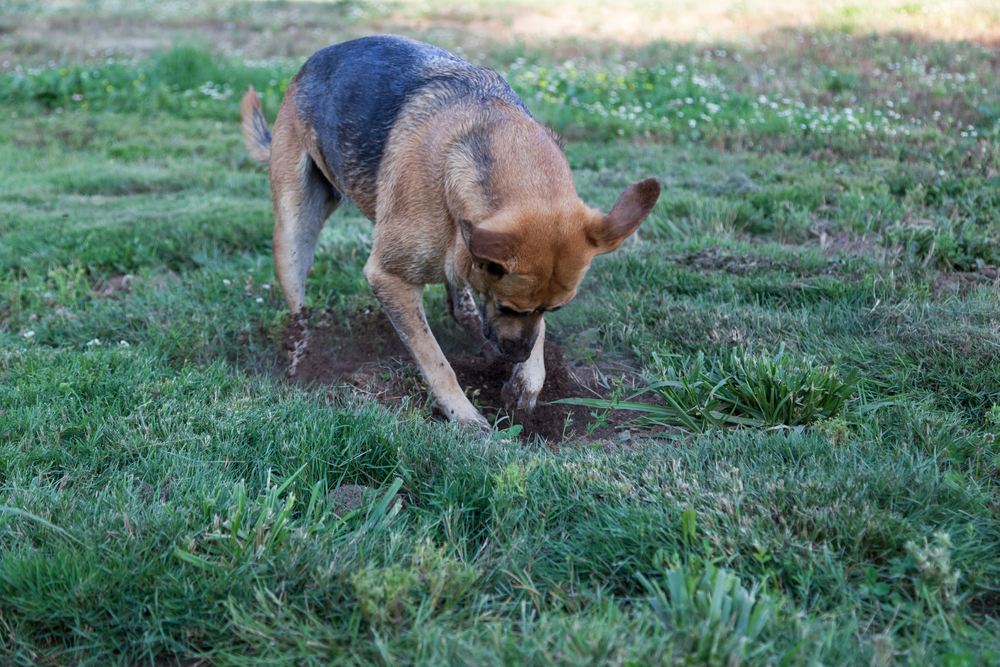
Normal dog digging behavior becomes a concern when it damages property, creates safety risks, or shows signs of stress. A single hole in the yard is different from repeated digging that happens every day.
Owners should look at the full picture. Changes in behavior, anxiety signs, or sudden digging habits may require closer attention.
- ✦ Constant digging
Repeated digging sessions that are difficult to interrupt may show unmet physical or mental needs.
- ✦ Fence digging
Digging under fences can create escape risks and should be addressed quickly.
- ✦ Stress-related digging
Some dogs dig when they feel anxious, frustrated, or left alone for long periods.
When to talk with a veterinarian
If digging starts suddenly with other changes like appetite loss, fear, or unusual behavior, a veterinary check can help rule out health concerns.
How to stop unwanted dog digging behavior
Stopping digging starts with understanding the reason behind it. Punishing a dog after digging usually does not teach the right lesson because the dog may not understand what caused the punishment.
Positive training methods focus on changing the environment, offering better activities, and rewarding the behavior you want to see.

- ✦ Increase exercise
Daily walks, play sessions, and active games can reduce boredom-related digging.
- ✦ Provide mental stimulation
Puzzle toys, scent games, and training sessions give dogs healthy challenges.
- ✦ Create a digging area
A designated sand or soil area can allow safe digging without damaging the entire yard.
Using positive reinforcement
Reward your dog when it chooses approved activities instead of digging in unwanted areas. Consistent rewards help your dog learn new habits over time.
How to manage digging in an American backyard
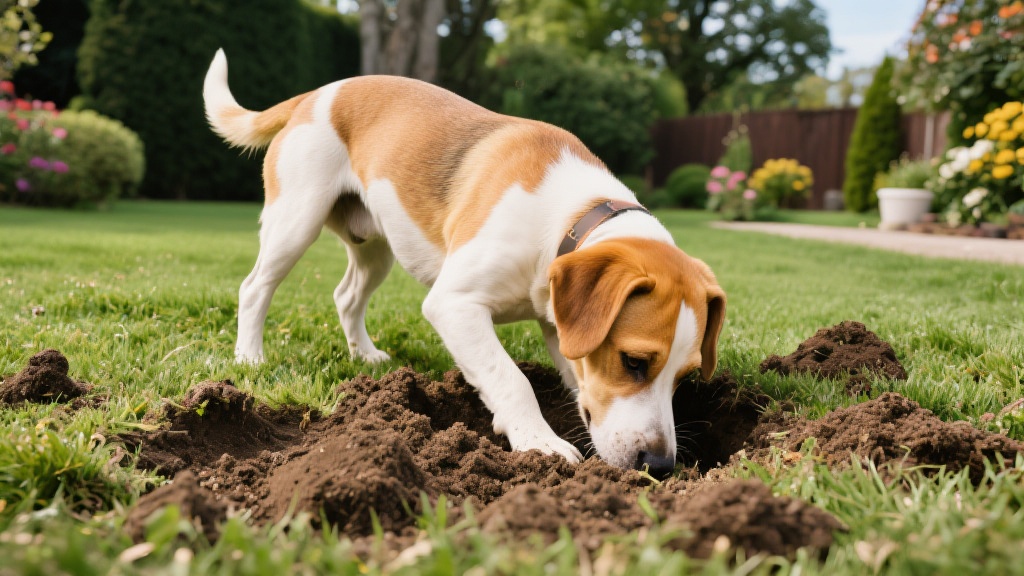
Many U.S. homeowners deal with backyard digging because dogs spend time outdoors on lawns, gardens, and fenced areas. Weather, yard design, and daily routines can influence how often a dog digs.
Simple changes can protect your yard while still respecting your dog’s natural needs. The goal is not always to remove digging completely but to guide it into safer choices.
- ✦ Protect garden areas
Use barriers or dog-friendly landscaping to reduce access to areas where digging causes damage.
- ✦ Create outdoor enrichment
Add toys, scent activities, and play time to make the yard more interesting.
Balancing a healthy dog with a healthy yard
A dog-friendly yard does not need to look perfect. A small approved digging zone can be a practical compromise for many families.
