
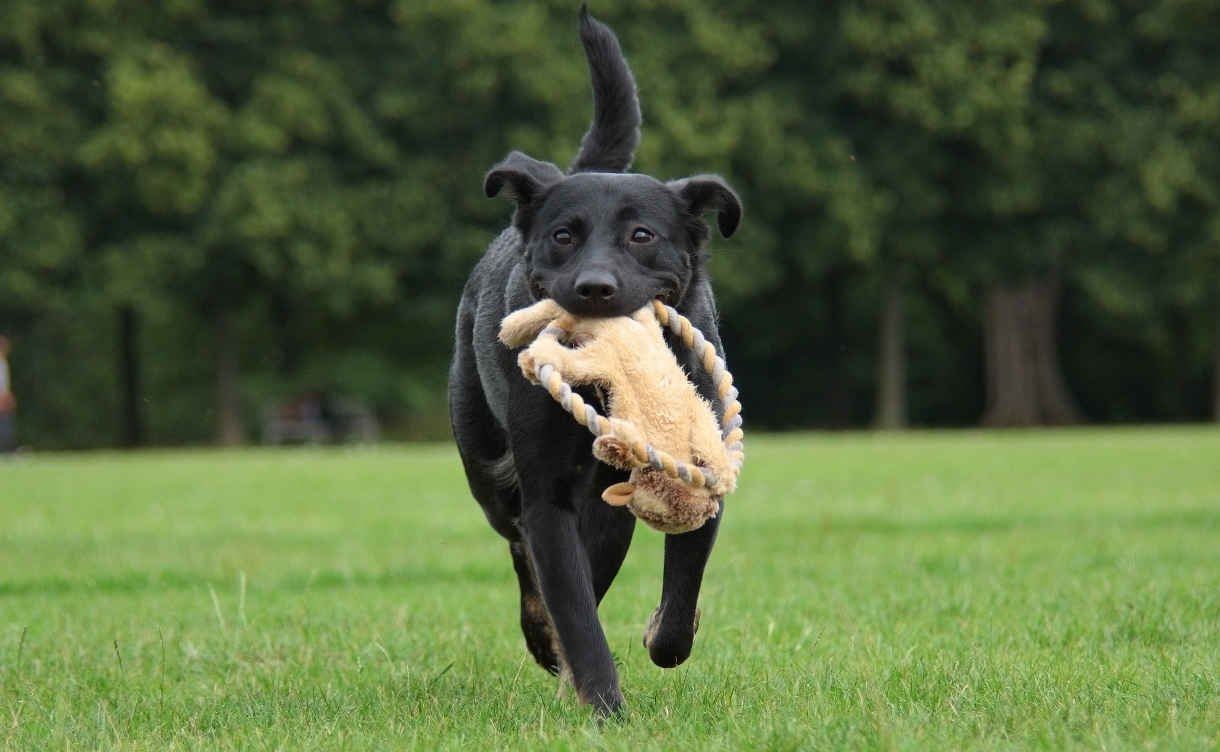
Dog carrying behavior is one of the most common actions seen in homes across the United States. A dog may proudly carry a favorite toy, bring a shoe to an owner, hold a stick during a walk, or gently move objects around the house. This simple action can reveal a lot about a dog’s emotions and natural drives.
From my experience studying everyday dog habits, I have noticed that carrying is rarely random. Dogs often use their mouths like humans use their hands. They explore, interact, and express feelings through the things they choose to carry.

What Is Dog Carrying Behavior?
Dog carrying behavior describes the way dogs pick up, hold, move, and sometimes protect objects with their mouths. This behavior can include carrying toys, bones, sticks, food, household items, or even helping move puppies.
Dogs are naturally curious animals. Their mouths help them explore the world, and carrying gives them a way to interact with their environment.
- ✦ Object exploration
Dogs often carry items because they want to investigate new smells, textures, and shapes.
- ✦ Emotional connection
Some dogs carry favorite toys because these objects provide comfort and security.
- ✦ Natural instinct
Carrying connects with behaviors used by wild canines for moving food and valuable items.
Why Dogs Use Their Mouths
A dog’s mouth is an important tool for communication and discovery. Puppies especially learn about their surroundings by picking up and carrying objects.
- ✦ Learning through touch
Young dogs understand objects better by holding and moving them.
Why Do Dogs Carry Toys?
Many dogs carry toys because it satisfies their play drive. A dog may carry a ball before a game of fetch or bring a stuffed animal to an owner as an invitation to interact.
Some dogs become attached to specific toys. They may carry the same toy from room to room because the object feels familiar and comforting.

- ✦ Play motivation
Carrying toys can be part of games like fetch, tug, and chase.
- ✦ Attention seeking
A dog may carry an object toward people to start social interaction.
- ✦ Comfort behavior
Soft toys can act as calming objects for some dogs.
Why Dogs Carry Toys When Excited
Excited dogs often grab toys because the action helps them manage strong emotions. Carrying can be a positive outlet during greetings, walks, or play sessions.
- ✦ Happy greeting
Some dogs pick up toys when family members return home.
The Instinct Behind Dogs Carrying Objects
Dog carrying behavior has roots in the survival habits of wild canines. Wolves and other wild relatives carry food, nesting materials, and important objects when needed.
Domestic dogs still show parts of these ancient behaviors. Even a small apartment dog may carry toys because the instinct remains part of canine nature.

- ✦ Retrieving instinct
Many breeds were developed to carry items during hunting and working tasks.
- ✦ Protective instinct
Some dogs hold objects carefully because they value them.
Breed Differences in Carrying Behavior
Retrievers, shepherds, and working breeds often show stronger carrying habits because humans selected them for tasks involving objects.
- ✦ Retrievers
Breeds like Labrador Retrievers often enjoy carrying toys and retrieving objects.
Why Dogs Carry Shoes, Clothes, and Household Items
A dog carrying shoes or clothing is a common experience for many American pet owners. Dogs are attracted to these items because they contain strong human scents.
This behavior does not always mean a dog is being naughty. Often, the dog is seeking attention, comfort, or simply exploring.
- ✦ Strong scent attraction
Human belongings carry familiar smells that interest dogs.
- ✦ Boredom
Dogs may carry household items when they need more activity or enrichment.
How Dogs Carry Puppies and Why It Matters
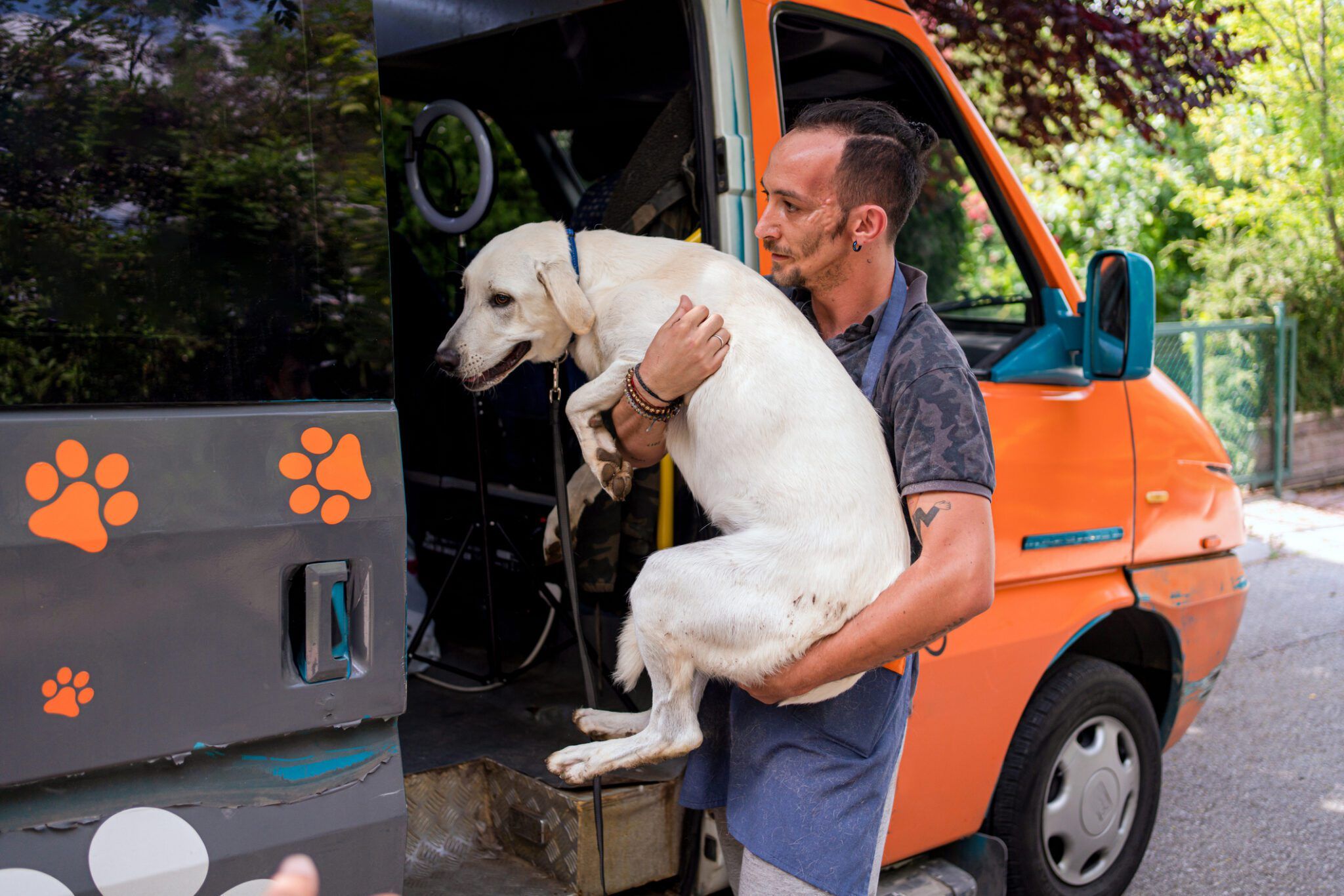
Mother dogs carry puppies in a special way that supports safety and movement. They gently pick up puppies using their mouths and move them when needed.
Healthy mother dogs usually know how to handle puppies carefully. Humans should avoid copying this method because adult dogs and puppies have different body structures.

- ✦ Maternal care
Moving puppies helps mothers protect and organize their litter.
- ✦ Gentle control
Mother dogs use careful pressure and instinctive movements.
When Dog Carrying Behavior May Need Attention
Most carrying habits are normal and healthy. However, sudden changes may show stress, anxiety, pain, or resource guarding issues.
Owners should watch body language. A dog that growls, freezes, or guards an object may need support through training and professional guidance.
- ✦ Resource guarding
Some dogs become protective of objects they carry or collect.
- ✦ Sudden behavior changes
New carrying habits combined with other symptoms may require a veterinary check.
How to Encourage Healthy Carrying Habits
Owners can turn dog carrying behavior into a positive activity. Games, training, and safe toys allow dogs to use their natural instincts in healthy ways.
The goal is not to stop carrying. The goal is to guide the behavior so the dog stays safe and relaxed.

- ✦ Use safe toys
Choose objects that match your dog’s size and chewing style.
- ✦ Teach drop commands
Training helps dogs release items calmly when needed.
- ✦ Provide enrichment
Mental activities reduce unwanted carrying of household objects.
