
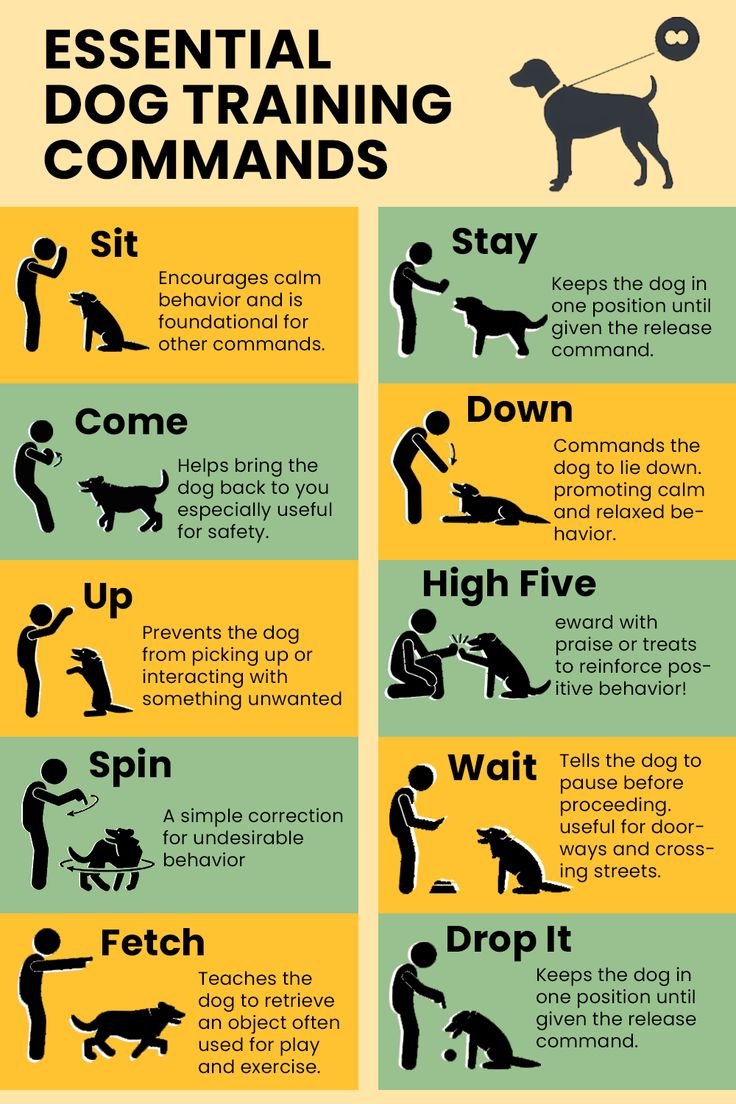
Dog training basics are the first steps every dog owner should understand. A trained dog is easier to manage at home, during walks, and in public places. Training is not about control alone. It is about building trust and clear communication between you and your dog.
From my experience studying dog behavior, the best results come from short training sessions, clear signals, and rewards for correct actions. Many owners make training harder by expecting quick results. Dogs learn better when lessons feel safe, fun, and predictable.

What Are Dog Training Basics?
Dog training basics include the first skills a dog needs to live comfortably with people. These skills include name recognition, house manners, basic commands, leash walking, and social behavior.
Good training starts with understanding how dogs learn. Dogs repeat behaviors that bring rewards and avoid actions that do not create positive results. This is why reward-based methods are widely used by many trainers.
- ✦ Communication
Training teaches dogs what human words, gestures, and routines mean.
- ✦ Safety
Basic commands can help prevent dangerous situations during walks or outdoor activities.
- ✦ Bond Building
Training creates trust and strengthens the relationship between dogs and owners.
Why Every Dog Needs Basic Training
Every dog can benefit from training, regardless of age or breed. Training gives dogs mental exercise and helps them understand expectations in a home environment.
- ✦ Better Daily Life
A trained dog usually adapts more easily to family routines.
Start With Positive Reinforcement Training
Positive reinforcement is one of the most common approaches in modern dog training basics. It means rewarding a dog when it performs the desired behavior.
Rewards can include treats, praise, toys, or play time. The goal is to make good behavior worth repeating while keeping training enjoyable.

- ✦ Reward Good Behavior
Give rewards immediately after your dog does something correctly so the connection is clear.
- ✦ Stay Consistent
Use the same words and signals each time to avoid confusion.
Common Training Mistakes to Avoid
Many beginners train for too long or change rules often. Short sessions of five to fifteen minutes usually work better because dogs stay focused.
- ✦ Avoid Harsh Methods
Fear-based training can damage trust and create stress.
Essential Commands Every Dog Should Learn
Learning basic commands is a major part of Dog training basics. These commands help owners communicate clearly and manage everyday situations.
Start with one command at a time. Practice in quiet areas first, then slowly add distractions like people, sounds, and outdoor environments.

- ✦ Sit
A simple command that teaches control and focus.
- ✦ Stay
Helps dogs remain in one place until released.
- ✦ Come
An important safety command that encourages your dog to return.
- ✦ Leave It
Teaches dogs to ignore unsafe objects or unwanted items.
How to Teach Commands Step by Step
Say the command clearly, guide your dog into the correct action, and reward immediately. Repeat the process until your dog understands the connection.
- ✦ Practice Daily
Regular practice helps commands become natural habits.
Puppy Training Basics for New Dog Owners
Puppies learn quickly because they are developing new habits every day. Early training should focus on social skills, potty routines, handling, and simple commands.
In the United States, many families balance dog care with busy work schedules. Creating a simple daily routine helps puppies understand when to eat, play, rest, and train.

- ✦ House Training
Create regular bathroom schedules and reward successful outdoor habits.
- ✦ Socialization
Introduce puppies safely to different people, sounds, and environments.
Training Older Dogs
Older dogs can still learn new skills. Training may take more patience, but clear routines and rewards can create positive changes at any age.
- ✦ Use Patience
Older dogs may need slower lessons and more repetition.
Creating a Successful Dog Training Routine
A good routine is one of the most important parts of Dog training basics. Dogs learn through repetition, so small daily lessons often create better results than occasional long sessions.
Choose a calm training area and remove distractions at the beginning. As your dog improves, slowly increase difficulty to build real-world skills.

- ✦ Set Clear Goals
Decide which behaviors you want your dog to learn first.
- ✦ Track Progress
Notice improvements and adjust training based on your dog’s needs.
Tools That Can Help Training
Useful tools include treats, clickers, leashes, toys, and training mats. Tools should support communication, not replace patience and consistency.
- ✦ Training Treats
Small rewards help reinforce correct behavior.
