
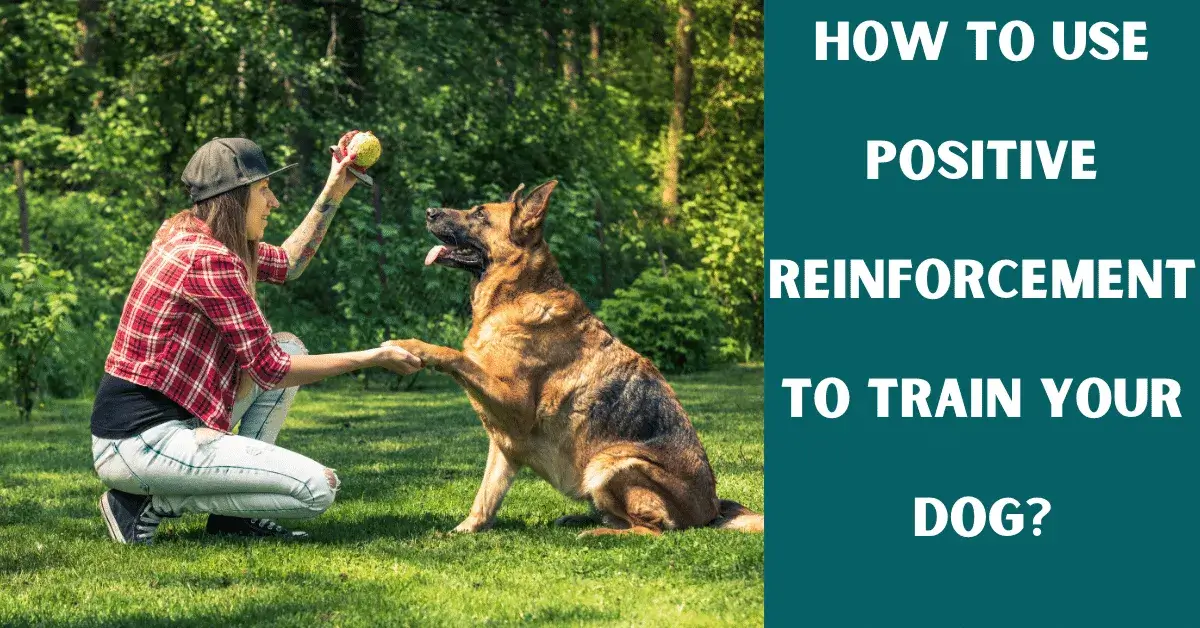
Dog positive reinforcement is one of the most trusted methods used by modern dog trainers. It focuses on rewarding actions you want your dog to repeat instead of using fear or punishment. When a dog understands that good choices bring rewards, learning becomes easier and more enjoyable.
From my experience studying dog training methods, the biggest improvement comes when owners stop only correcting mistakes and start noticing good behavior. A simple reward for sitting calmly, walking politely, or coming when called can create lasting habits.

What Is Dog Positive Reinforcement?
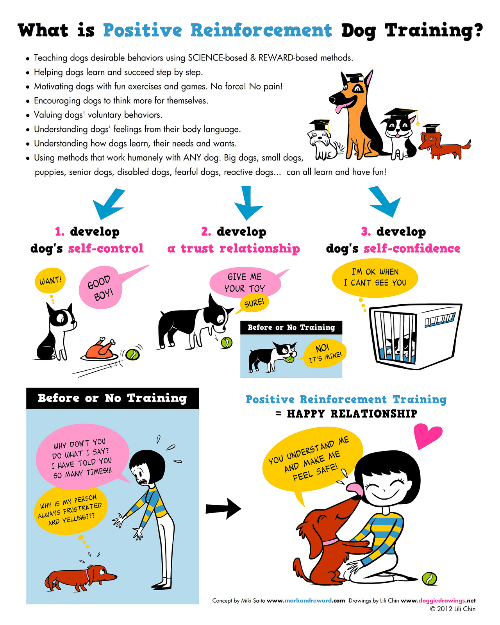
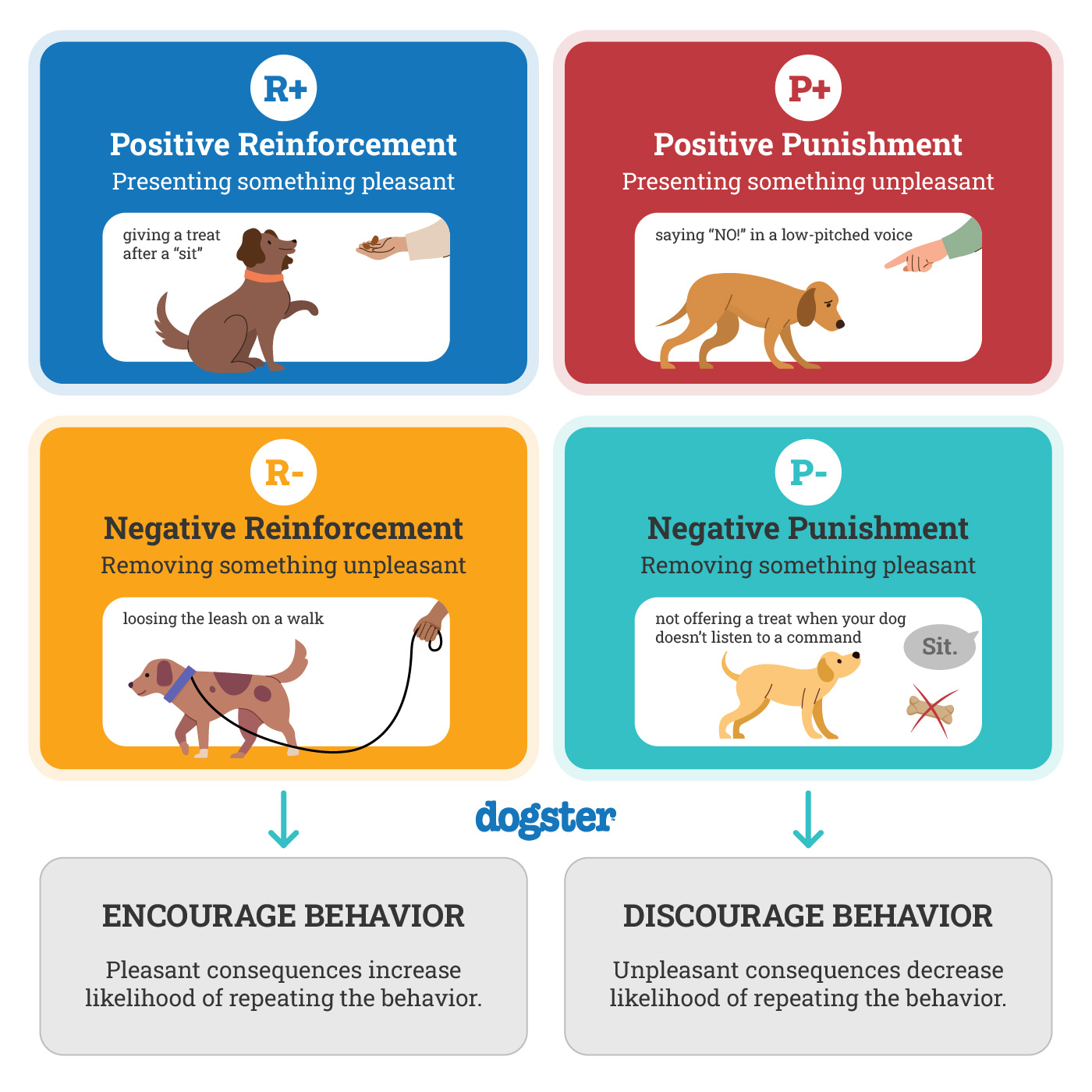
Dog positive reinforcement means adding something pleasant after a behavior to increase the chance that the dog will repeat it. The reward may be a treat, praise, play, or access to something the dog enjoys.
The goal of Dog positive reinforcement is not to bribe a dog forever. Instead, rewards help dogs understand what humans expect. Over time, many behaviors become habits because the dog has learned the value of making good choices.

- ✦ Reward good behavior
Give a reward immediately after the correct action so your dog connects the behavior with the positive result.
- ✦ Build trust
Reward-based methods create a safer relationship between dogs and their owners.
How Positive Reinforcement Works
Dogs learn through associations. When a behavior leads to something enjoyable, dogs are more likely to repeat that behavior in the future.
- ✦ Example
A dog sits after hearing a cue, receives a treat, and learns that sitting produces a positive outcome.
Why Dog Positive Reinforcement Is Effective
Dog positive reinforcement works because it motivates dogs to participate. Training becomes a teamwork activity instead of a stressful experience.
Many U.S. dog owners use reward-based training for puppies, rescue dogs, and family pets because it supports clear communication. A dog that feels confident is often more willing to learn.
- ✦ Improves communication
Rewards help dogs understand exactly which actions owners want.
- ✦ Reduces fear
Positive methods avoid creating anxiety linked with harsh corrections.
- ✦ Strengthens relationships
Training sessions become positive moments that increase trust.
How to Practice Dog Positive Reinforcement at Home
Successful Dog positive reinforcement training starts with simple goals. Teach one behavior at a time and reward your dog when the action is correct.
Short training sessions usually work better than long sessions. Many dogs learn faster when training feels like a fun game instead of a demanding task.

- ✦ Choose rewards
Use treats, toys, praise, or play based on what motivates your dog.
- ✦ Mark the behavior
Use a word like yes or a clicker sound at the exact moment your dog performs the desired action.
- ✦ Stay consistent
Everyone in the home should use similar cues and rewards.
Common Behaviors You Can Teach
Owners can use Dog positive reinforcement for basic skills such as sit, stay, recall, leash walking, and calm greetings.
- ✦ Recall training
Reward your dog for returning when called to create a reliable response.
- ✦ Loose leash walking
Reward walking beside you instead of pulling ahead.
Best Rewards for Positive Dog Training
The best reward depends on each dog. Some dogs work hardest for small treats, while others prefer toys, attention, or outdoor activities.
Good trainers adjust rewards based on the difficulty of the task. A simple behavior may need a small reward, while a challenging behavior may require something more valuable.
- ✦ Food rewards
Small treats are useful because they are quick and easy to deliver during training.
- ✦ Social rewards
Praise, petting, and attention can motivate many dogs.
- ✦ Play rewards
Toys and games can be powerful rewards for energetic dogs.
Mistakes to Avoid During Dog Positive Reinforcement Training
Even with Dog positive reinforcement, mistakes can slow learning. The most common issue is rewarding behavior at the wrong time.
Owners should also avoid expecting too much too quickly. Dogs need repetition, patience, and clear guidance before a behavior becomes reliable.
- ✦ Rewarding late
A delayed reward can confuse your dog about which behavior earned it.
- ✦ Using unclear commands
Simple and consistent words make training easier.
- ✦ Ignoring small successes
Small improvements are important steps toward better behavior.
Limitations and Realistic Expectations of Dog Positive Reinforcement
Dog positive reinforcement is highly useful, but it is not an instant solution for every problem. Some behavior issues may need help from a qualified professional trainer or veterinary behavior expert.
Training success depends on consistency, the dog’s history, the environment, and the owner’s commitment. Positive methods work best when combined with patience and proper management.
- ✦ Behavior takes time
Dogs need repeated practice before new habits become natural.
- ✦ Every dog is different
Rewards and training plans should match the individual dog’s needs.
