
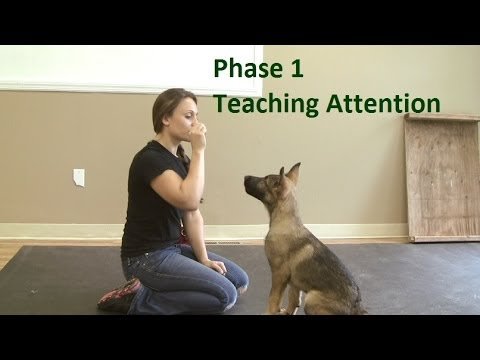
Dog attention training is one of the most useful skills a dog can learn. A dog that pays attention is easier to train, safer during walks, and more connected with the people around them. In busy American homes, where dogs often experience traffic, visitors, children, and other pets, focus can make daily life much smoother.
After working with dogs, one lesson becomes clear: attention is the foundation of almost every behavior. Before a dog can learn commands like sit, stay, or come, they must first learn that checking in with their owner brings good things. The goal is not to force attention but to build a habit of choosing to focus.

What Is Dog Attention Training?
Dog attention training is the process of teaching a dog to notice, watch, and respond to their handler. It usually starts with simple behaviors like making eye contact, turning toward their name, or checking in during a walk.
This skill is different from basic obedience. Obedience teaches a dog what command to follow. Attention training teaches a dog how to stay connected with you before and during those commands.
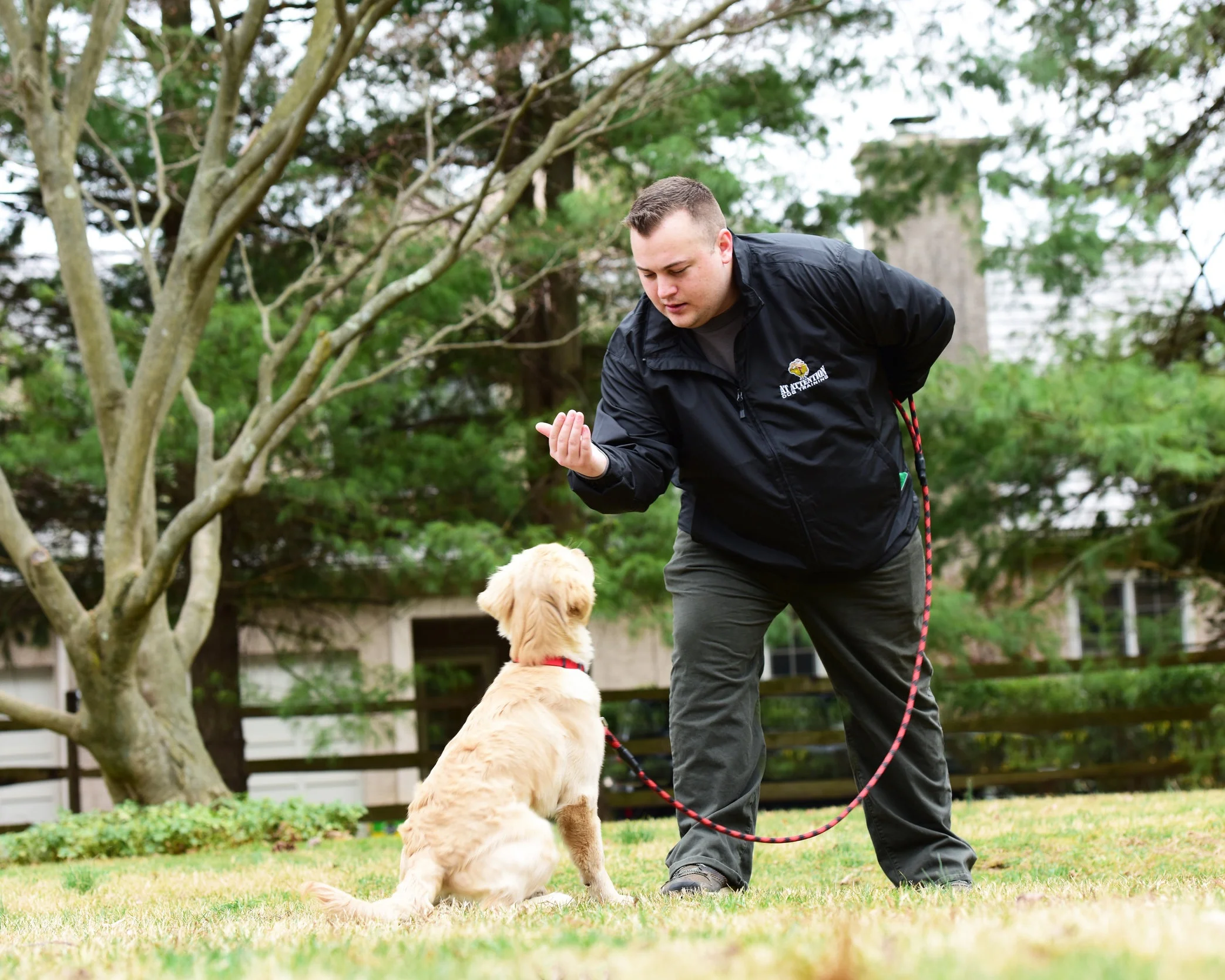
- ✦ Focus on the owner
The dog learns that looking at the owner and staying connected leads to rewards and positive experiences.
- ✦ Better response to cues
Dogs that pay attention usually respond faster because they are ready to receive information.
- ✦ Improved daily control
Attention skills help during walks, social situations, training sessions, and unexpected distractions.
Why Attention Comes Before Commands
Many owners repeat commands when their dog is distracted. The problem is often not the command itself. The dog may simply not be mentally connected at that moment.
Building attention first creates a stronger learning environment. A focused dog can understand new skills with less confusion and frustration.
Benefits of Dog Attention Training
Consistent dog attention training creates many benefits beyond simple obedience. It improves communication because your dog learns to look for guidance instead of making every decision alone.
A dog with good attention skills often handles new places better. This is especially helpful for families who take their dogs to parks, outdoor cafes, training classes, and community events.
- ✦ Safer walks
A dog that checks in with you is easier to guide when facing cars, people, animals, or sudden changes.
- ✦ Stronger bond
Training builds trust because your dog learns that paying attention creates rewarding experiences.
- ✦ Reduced distractions
Dogs practice ignoring unnecessary sights and sounds while keeping their focus on their owner.
How to Start Dog Attention Training Step by Step
The best dog attention training begins in a quiet place with few distractions. Start indoors or in your backyard before moving to busier areas.
Keep sessions short and positive. Most dogs learn better through several small sessions instead of one long training period.

- ✦ Step 1: Say your dog’s name
Say your dog’s name once. When your dog looks toward you, reward immediately with praise or a small treat.
- ✦ Step 2: Reward eye contact
Reward your dog when they naturally look at you. This teaches that paying attention has value.
- ✦ Step 3: Add distractions slowly
Increase difficulty by practicing around mild distractions before moving into challenging environments.
The Look At Me Exercise
The look at me exercise is a common foundation skill. Hold a treat near your eyes and reward your dog when they make eye contact.
Over time, reduce the need for the treat near your face. Your goal is for your dog to offer attention naturally.
- ✦ Practice duration
Begin with a few seconds of focus and slowly build longer attention periods.
Common Mistakes During Dog Attention Training
Many owners struggle because they expect attention too quickly. Dogs need time to understand what behavior earns rewards.
Training mistakes can slow progress, but they are easy to fix with patience and better timing.

- ✦ Training in difficult places too soon
Starting near heavy distractions can make it hard for a dog to succeed.
- ✦ Repeating commands many times
Repeating your dog’s name or cues teaches them that they do not need to respond immediately.
- ✦ Rewarding too late
Dogs connect rewards with actions quickly, so timing matters during training.
Using Positive Reinforcement for Better Focus
Positive reinforcement is one of the most effective methods for dog attention training. It means rewarding behaviors you want to see more often.
Rewards can include treats, toys, praise, or access to something your dog enjoys. The important part is that the reward feels meaningful to your dog.

- ✦ Use valuable rewards
Choose rewards that motivate your dog, especially when practicing around distractions.
- ✦ Celebrate small progress
Reward small improvements because every successful repetition builds the habit.
Dog Attention Training for Walks and Real-Life Situations
A dog that focuses at home may still struggle outside. Walks introduce new smells, sounds, people, and animals that compete for attention.
Practice attention skills during normal activities. Reward your dog for checking in while walking, waiting at crossings, or calmly watching distractions.
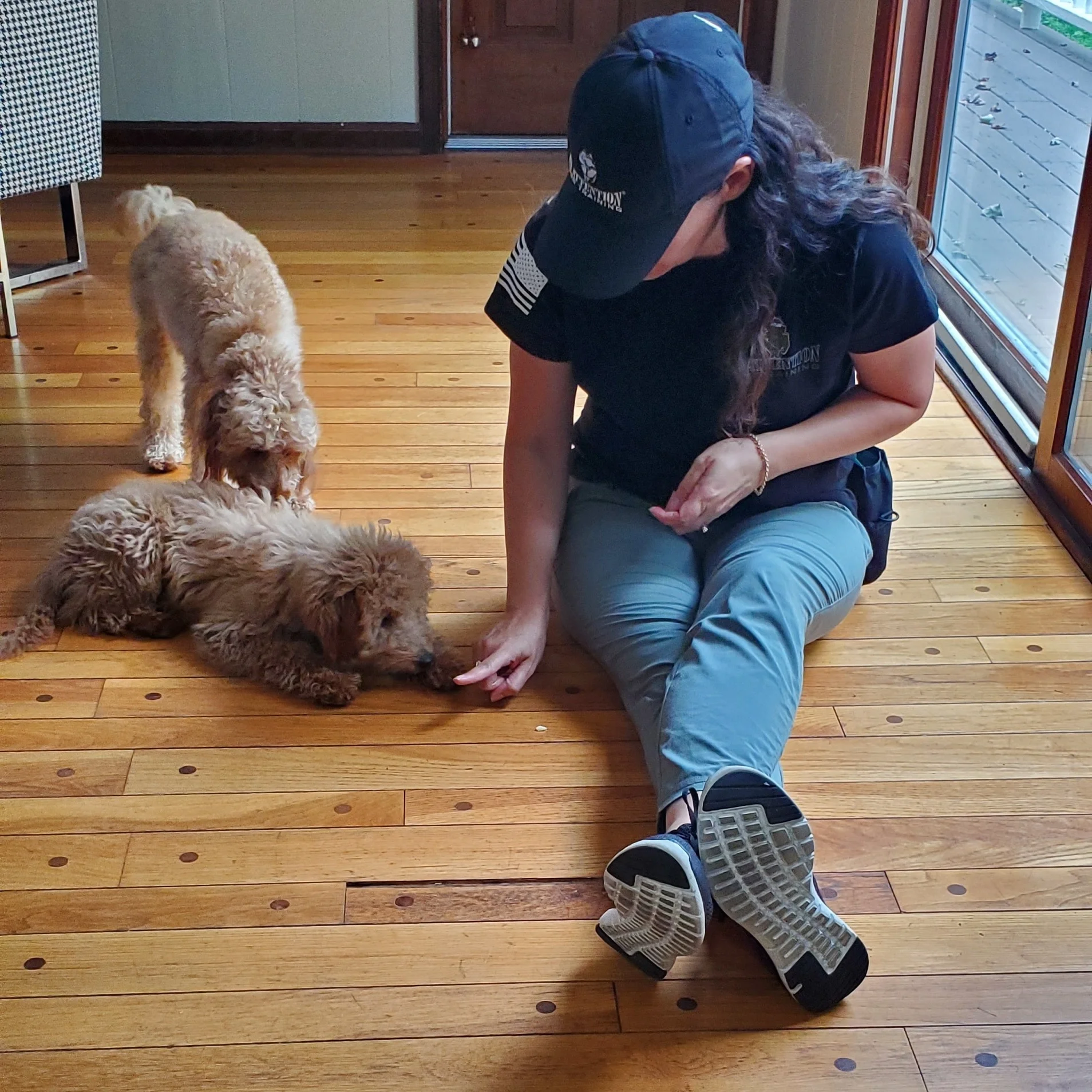
- ✦ Practice short check-ins
Reward your dog whenever they look back at you during a walk.
- ✦ Increase distance from distractions
Give your dog enough space to think and respond instead of becoming overwhelmed.
