
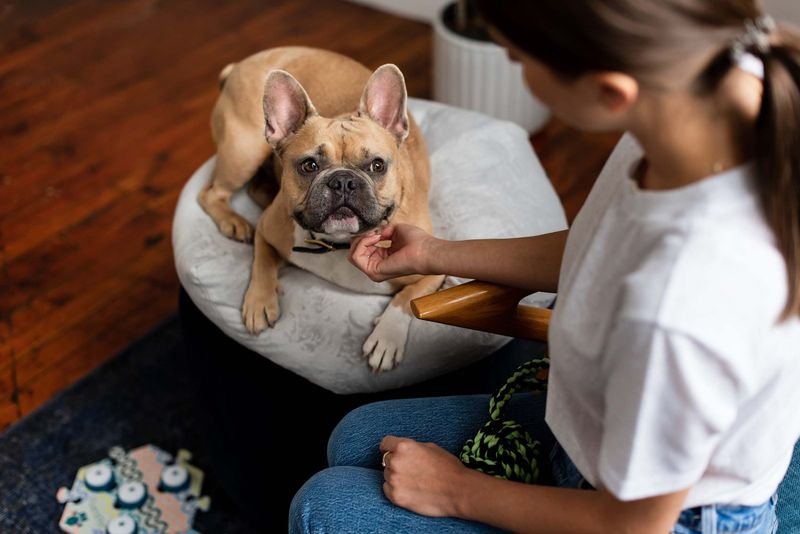
Dog observational learning is a natural way dogs understand their world. A dog may watch another dog open a gate, sit for a treat, or respond to a human cue. Over time, the dog can connect what it sees with a possible action.
In American homes, dogs often learn from daily family routines. They notice when owners pick up a leash, prepare food, or reach for a toy. These small observations help dogs predict events and choose behaviors.
Dog observational learning does not mean dogs copy every action they see. A dog must notice the behavior, understand its purpose, and decide that copying it may bring a benefit. Good training uses this ability together with rewards and clear communication.

What is dog observational learning?
Dog observational learning happens when a dog gains information by watching another individual perform an action. The observer does not need to experience the action first. It learns from what it sees.
This type of learning is also called social learning. Dogs are social animals, so they often pay close attention to humans and other dogs. Their ability to observe helps them adapt to new homes, routines, and environments.

- ✦ Watching before acting
A dog may observe a behavior several times before trying it. This helps the dog collect information before making a choice.
- ✦ Learning from results
Dogs are more likely to repeat behaviors that lead to rewards, attention, comfort, or access to something they want.
- ✦ Social connection
Dogs often learn faster from people and animals they trust and watch closely.
How observational learning differs from other learning types
Classical conditioning links two events together, such as hearing a food bowl and expecting a meal. Operant conditioning focuses on consequences, such as getting a treat after sitting.
Dog observational learning is different because the dog gathers information from another individual’s behavior. It can happen before the dog receives any direct reward.
How dogs learn by watching humans
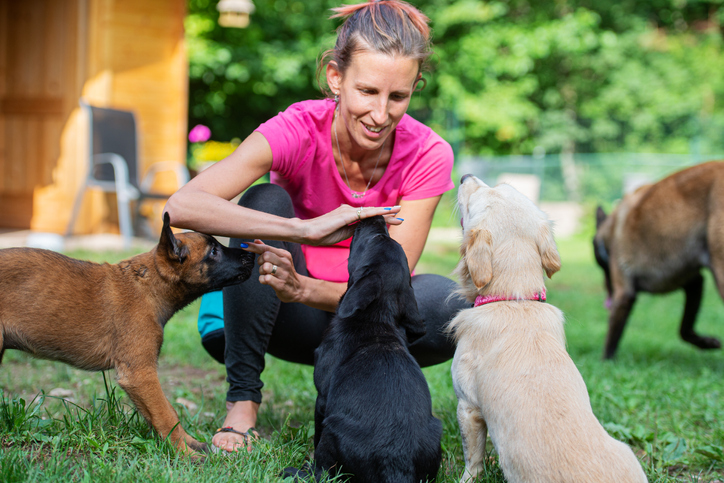
Dogs spend much of their lives observing people. They notice body language, voice tone, movement patterns, and daily habits. This helps them understand what may happen next.
Dog observational learning is common in family settings. A puppy may watch an older dog wait calmly before eating and later show similar patience. A dog may also learn household routines by observing human actions.
- ✦ Reading human signals
Dogs watch hand movements, facial expressions, and posture to understand human intentions.
- ✦ Following routines
Dogs can learn patterns such as bedtime, walking schedules, and feeding habits through repeated observation.
Examples from everyday life
A dog may learn to go near the door after seeing an owner pick up shoes and a leash. Another dog may learn a trick by watching a trained dog perform it.
Many owners notice that dogs also copy emotional responses. A calm owner can help a dog feel safer in new situations.
The science behind dog observational learning
Researchers study social learning in dogs because it shows how animals use information from their surroundings. Dogs evolved alongside humans, which may have helped them become skilled at reading human behavior.
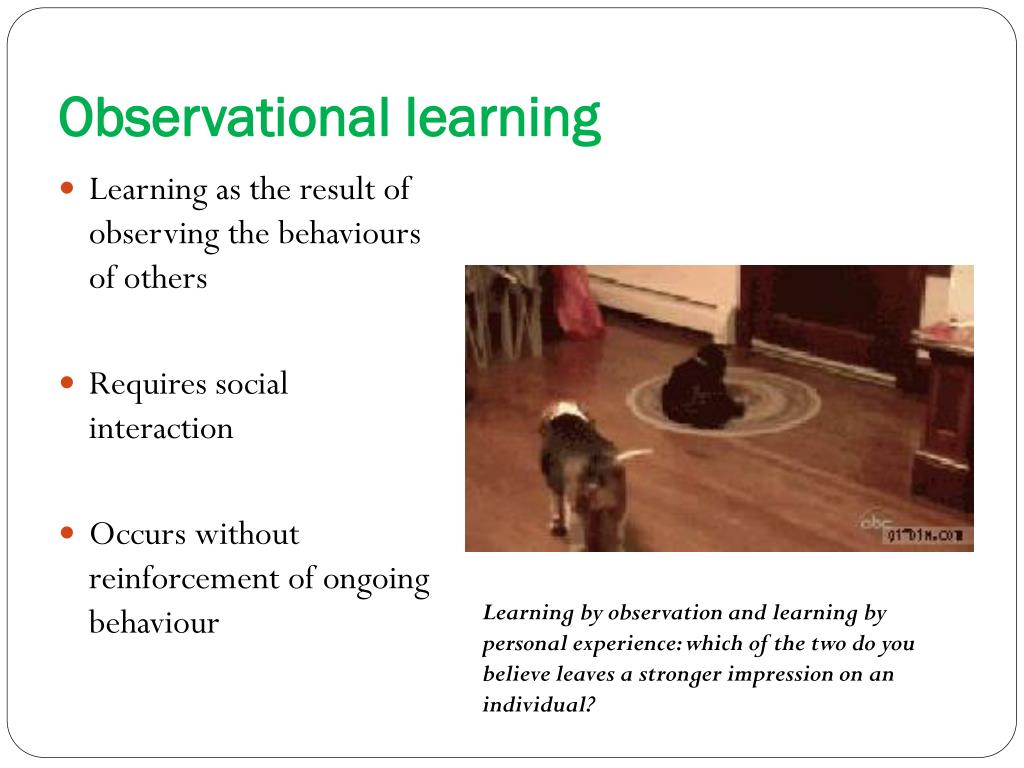
A dog does not simply act like a copy machine. It uses attention, memory, motivation, and past experience. The dog decides whether the observed action is useful.
- ✦ Attention
The dog must notice the behavior before it can learn from it.
- ✦ Memory
The dog must remember what it saw and connect it with a future situation.
- ✦ Motivation
The dog needs a reason to repeat the behavior, such as a reward or social benefit.
The role of canine intelligence
Canine intelligence includes problem solving, communication skills, and learning ability. Dog observational learning is one part of a dog’s wider ability to adapt.
Different dogs may learn at different speeds. Breed traits, age, personality, and training history can affect how well a dog learns from watching.
How to use observational learning in dog training
Owners can use dog observational learning to make training easier and more natural. Showing the desired behavior can help some dogs understand what is expected.
Professional trainers often combine demonstrations with clear cues and rewards. Observation alone may not teach every dog, so direct practice remains important.
- ✦ Train with a model dog
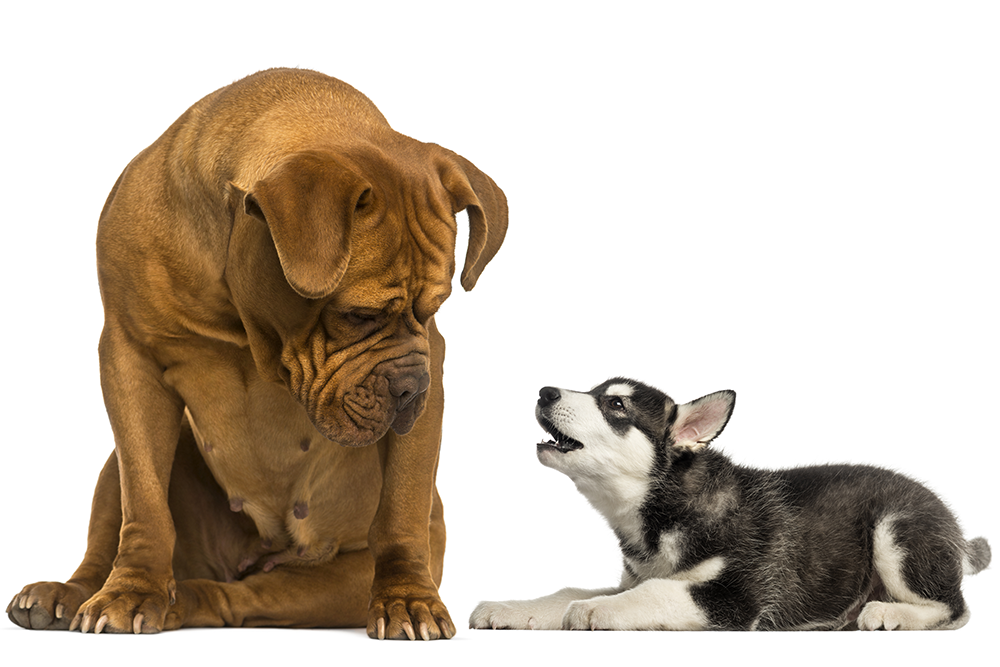
A calm, trained dog can demonstrate behaviors such as sitting, waiting, or walking politely.
- ✦ Show the right routine
Repeat useful actions in a clear way so your dog can connect the behavior with the situation.
- ✦ Reward attempts
Reward your dog when it performs the correct behavior after observing a demonstration.
Tips for better results
Keep training sessions short and positive. Dogs learn better when they feel safe and focused.
Choose demonstrations that match your dog’s ability. A young puppy may need simple actions before learning complex behaviors.
Benefits and limits of dog observational learning
Dog observational learning can support training, confidence, and social skills. It can help dogs understand new environments by watching trusted companions.
However, dogs can also observe unwanted behaviors. If a dog watches another dog bark, jump, or react with fear, it may learn those patterns too.
- ✦ Possible benefits
Observation can improve adaptation, communication, and learning speed in some situations.
- ✦ Possible challenges
Dogs may copy behaviors that owners do not want, especially when those behaviors receive attention.
