
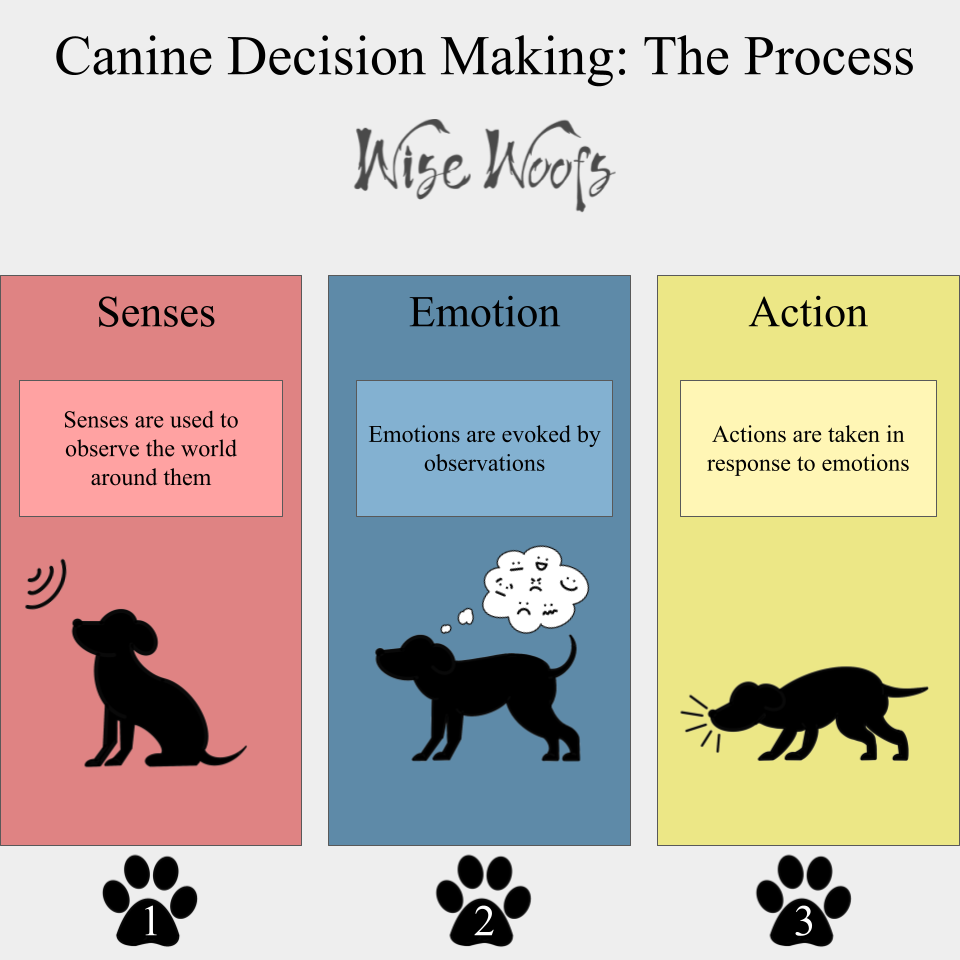
Dogs make decisions using instincts, emotions, memories, and learned experiences.
Dog decision making behavior shows how dogs evaluate their world and choose actions. A dog deciding whether to approach a new person, follow a scent, or solve a puzzle uses many brain processes at the same time. These choices may look simple, but they involve memory, emotion, and learning.
From my experience studying dog behavior, I have learned that many confusing actions become easier to understand when we look at the reason behind the choice. A dog that ignores a command may not be stubborn. The dog may be making a different decision based on fear, reward, curiosity, or previous experience.
For American dog owners, understanding dog decision making behavior can improve daily life. It can help with training, safety, enrichment, and building a better relationship with a pet.

How Dog Decision Making Behavior Works
Dog decision making behavior begins when a dog notices something in the environment. The brain collects information from sights, sounds, smells, body language, and past memories. The dog then chooses a response that feels useful or safe.
Unlike humans, dogs do not usually think through long plans. They often focus on immediate results. A dog may choose to sit because it expects a treat or avoid a person because a past interaction created fear.

- ✦ Observation
Dogs watch their surroundings and gather information before acting.
- ✦ Evaluation
Dogs compare new situations with previous experiences.
- ✦ Response
Dogs choose actions that match their needs, emotions, and learned habits.
The Role of Instincts
Instinct plays a major role in dog decision making behavior. Hunting breeds may follow scents, herding breeds may control movement, and guarding breeds may react to unfamiliar sounds.
Instinct does not control every action. Training and experience can change how a dog responds to natural behaviors.
- ✦ Natural Drives
Dogs use inherited behaviors for survival, communication, and problem solving.
Factors That Influence Dog Choices
Many factors affect dog decision making behavior. A dog’s age, breed, health, training history, and environment can all change how it reacts.
A young puppy may explore because curiosity is high. An older dog may make slower choices because of changes in energy, hearing, vision, or confidence.

- ✦ Past Experience
Dogs remember positive and negative events that influence future choices.
- ✦ Emotional State
Fear, excitement, stress, and comfort can change a dog’s decisions.
- ✦ Training History
Repeated training creates habits that guide future behavior.
How Dogs Solve Problems and Make Choices
Dogs are capable problem solvers. They can learn patterns, test actions, and remember solutions that worked before. Puzzle toys, training games, and scent activities allow dogs to practice decision making.
Dog decision making behavior often improves through safe challenges. When dogs learn that their choices create good outcomes, they become more confident.
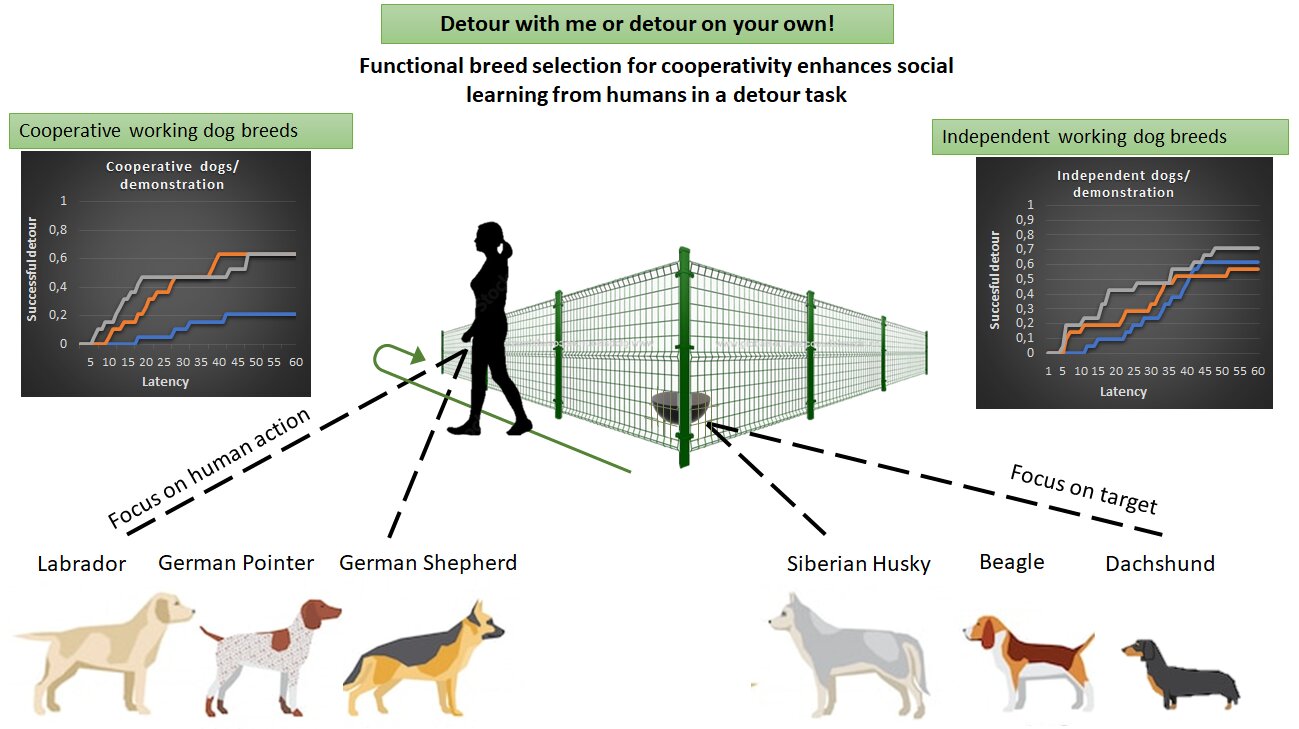
- ✦ Trial and Learning
Dogs often try different actions until they discover a successful result.
- ✦ Social Learning
Dogs can learn by watching humans and other animals.
Examples of Everyday Problem Solving
A dog opening a door by pushing it, finding a hidden toy, or choosing a quiet place to rest are examples of practical problem solving. These actions show flexible thinking.
- ✦ Home Examples
Dogs solve daily challenges by using memory and observation.
The Connection Between Emotions and Dog Decisions
Emotions strongly affect dog decision making behavior. A relaxed dog may explore new places, while a stressed dog may avoid the same situation.
Owners often misunderstand emotional decisions. A dog hiding during fireworks is not being difficult. The dog is choosing distance because it feels unsafe.

- ✦ Fear Responses
Fear can lead dogs to avoid, freeze, or seek protection.
- ✦ Positive Motivation
Rewards and praise can encourage helpful choices.
How Training Improves Dog Decision Making Behavior
Training helps dogs understand which choices are rewarded. Good training does not remove a dog’s ability to choose. It teaches dogs how to make safer and more useful decisions.
Positive reinforcement is widely used because it connects good behavior with positive results. Dogs learn faster when they understand what action brings a reward.
- ✦ Clear Communication
Simple commands help dogs understand expected behaviors.
- ✦ Consistent Practice
Regular training builds reliable habits.
