
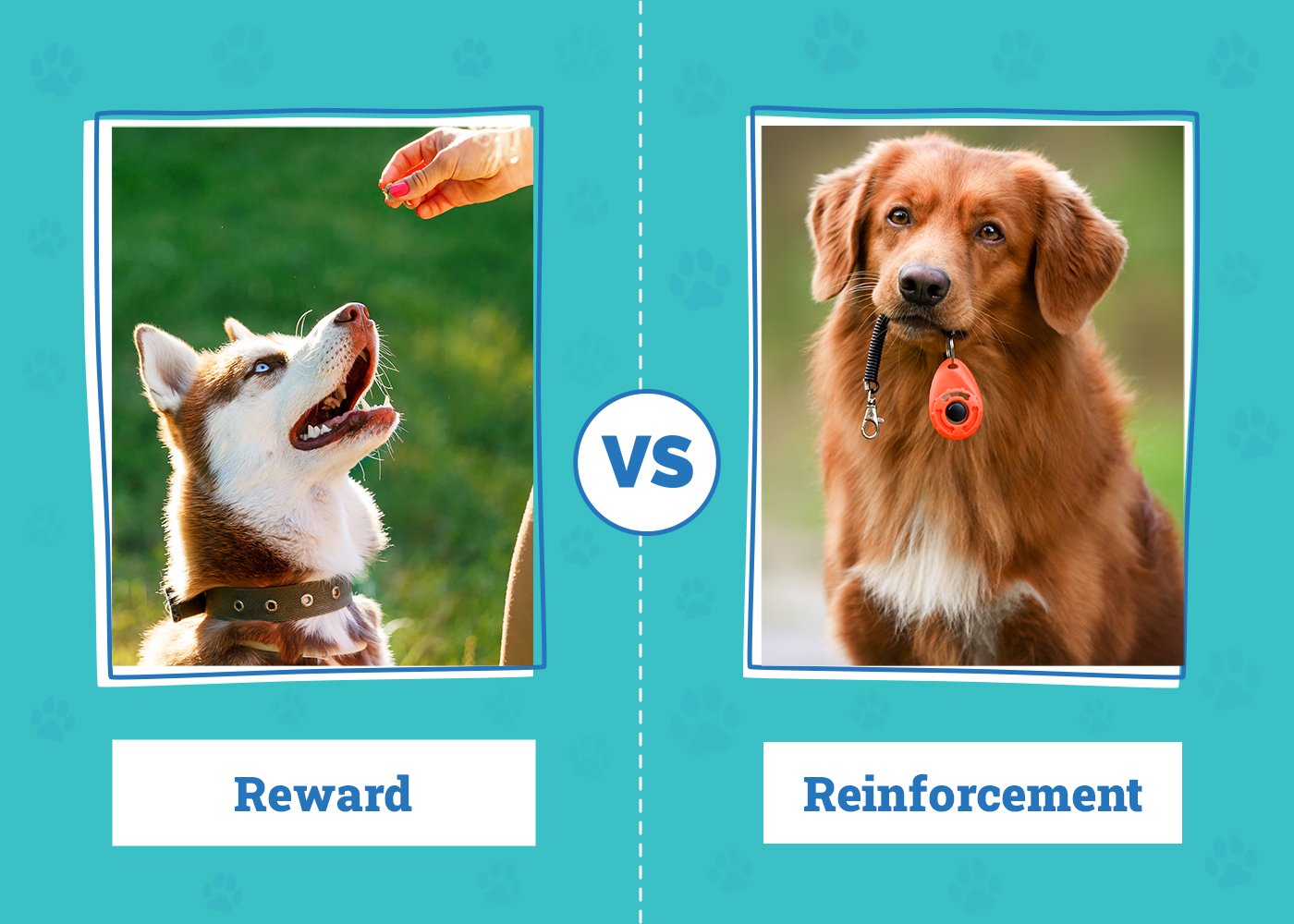
Dog reward value learning is a key part of modern dog training. Dogs do not see every reward as equal. A small treat, a favorite toy, a game of fetch, or praise from a person may have different value depending on the dog and the moment.
In professional training work, I have seen dogs ignore common treats when a stronger distraction appears. The lesson is simple: trainers must understand what a dog truly values before asking for difficult behaviors. Good training matches the reward with the challenge.
For many U.S. dog owners, daily life creates many distractions. Busy streets, parks, visitors, and other dogs can change what a dog finds rewarding. Learning Dog reward value learning helps owners build better training plans that fit real situations.
What Is Dog Reward Value Learning?
Dog reward value learning describes the process where dogs learn the importance of different rewards through experience. A reward becomes valuable when it creates a positive result for the dog.
A dog may learn that sitting calmly earns chicken pieces, that coming when called leads to outdoor play, or that waiting at the door allows access to a walk. Over time, the dog connects actions with outcomes.
This learning process is not fixed. A reward that works today may become less powerful tomorrow. Hunger, energy level, environment, and past experiences can all change reward value.
- ✦ Individual preferences
Every dog has different likes. One dog may work hard for food while another may prefer toys, movement, or social interaction.
- ✦ Changing reward value
A reward can become stronger or weaker based on timing, repetition, and the situation around the dog.
- ✦ Training connection
Understanding reward value helps owners choose better rewards for each training task.
Why Reward Value Matters in Training
A dog will often choose the option with the highest perceived value. If a dog finds chasing a squirrel more rewarding than returning to its owner, recall training becomes harder.
Dog reward value learning helps trainers compete with distractions by offering rewards that matter more in that moment.
- ✦ Better motivation
High-value rewards can encourage dogs to repeat desired behaviors.
How Dogs Decide the Value of a Reward
Dogs evaluate rewards through their senses, past experiences, and current needs. A reward is not valuable because humans think it is valuable. The dog makes that decision.
For example, many dogs enjoy dry kibble during easy home training. The same dog may need cheese or meat during a busy outdoor session because the environment is more challenging.
- ✦ Taste and smell
Strong-smelling foods often attract dogs because their sense of smell plays a major role in decision-making.
- ✦ Previous learning history
Dogs remember rewards that produced enjoyable experiences and may work harder for them.
- ✦ Current needs
A hungry dog may value food more, while an energetic dog may value play.
High, Medium, and Low Value Rewards
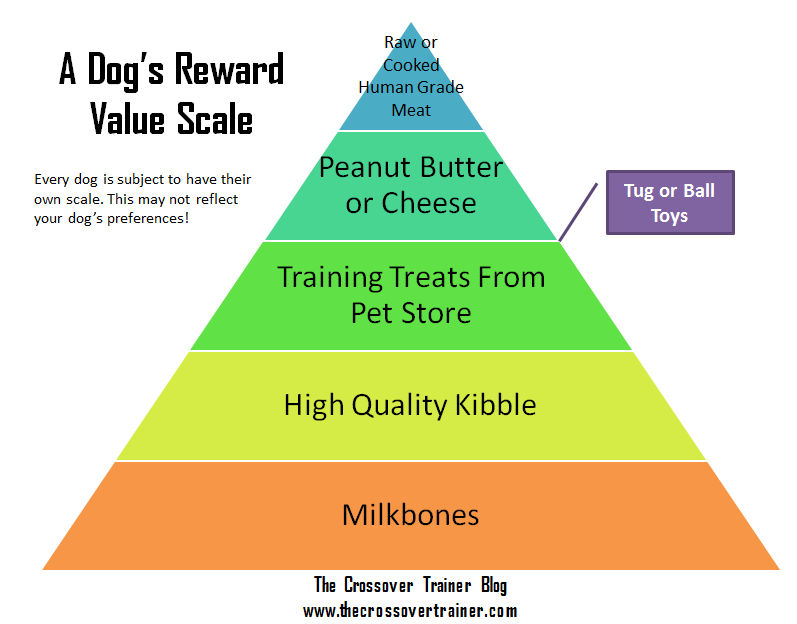
Many trainers organize rewards into levels. Low-value rewards work for simple behaviors. High-value rewards help when the task is difficult or distractions are strong.
A reward scale helps owners avoid using the same reward for every situation.
- ✦ Low-value rewards
Common treats or praise used for easy behaviors in familiar places.
- ✦ High-value rewards
Special foods, favorite toys, or exciting activities used for challenging situations.
The Role of Positive Reinforcement in Dog Reward Value Learning
Positive reinforcement training uses rewards to increase behaviors a trainer wants to see again. The reward strengthens the connection between the action and the result.
Dog reward value learning works best when the reward appears soon after the correct behavior. Clear timing helps the dog understand what action earned the reward.

- ✦ Clear communication
Rewards tell dogs which behaviors are useful and worth repeating.
- ✦ Reduced confusion
Consistent rewards make training easier for dogs to understand.
- ✦ Stronger trust
Reward-based training can create a cooperative relationship between dogs and owners.
Reward vs Reinforcement
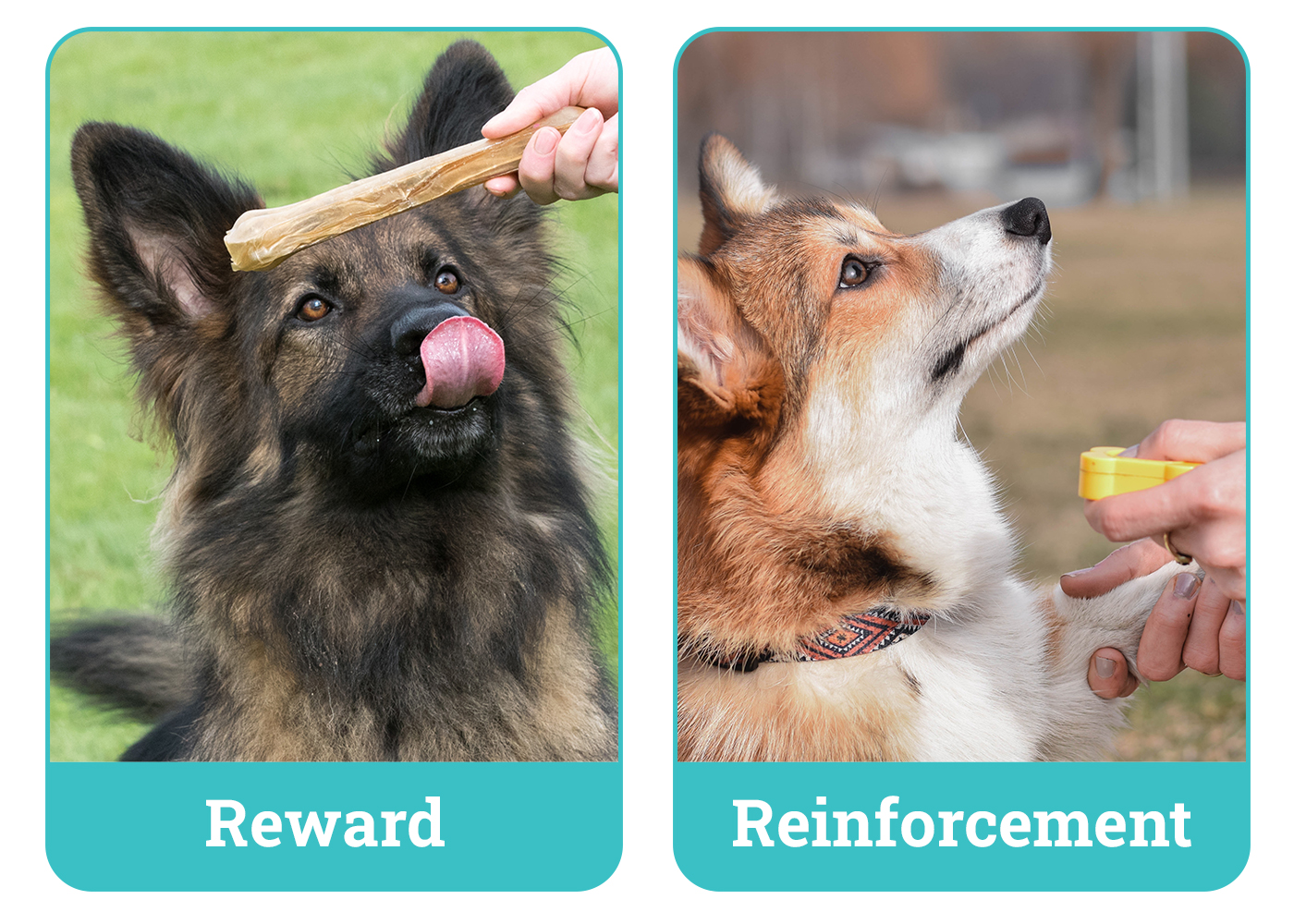
A reward is something the dog receives. Reinforcement is the effect that makes a behavior happen more often. A reward only becomes reinforcement if it changes future behavior.
This difference is important in Dog reward value learning because not every reward has the same training effect.
How to Increase Reward Value During Training
Owners can improve reward value by making rewards meaningful and using them at the right time. The goal is not to give more rewards but to give better rewards.
A skilled trainer observes what makes the dog excited and uses that information to create stronger learning experiences.

- ✦ Use special rewards for hard tasks
Save favorite treats or games for behaviors that require extra focus.
- ✦ Add variety
Changing rewards can keep training sessions interesting and prevent boredom.
- ✦ Reward effort
Dogs can learn that trying new behaviors leads to positive outcomes.
Examples From Everyday Training
A family dog may learn basic commands with kibble inside the home. The same dog may need a favorite toy or premium treat when practicing recall at a park.
This difference shows why Dog reward value learning must consider the environment and difficulty level.
Common Mistakes in Dog Reward Value Learning
Many training problems happen because owners choose rewards without considering the dog’s perspective. A reward that seems valuable to a person may not motivate the dog.
Understanding mistakes can help owners create better training sessions.
- ✦ Using the same reward everywhere
A simple reward may fail when distractions increase.
- ✦ Poor timing
Late rewards can confuse dogs about which behavior earned the reward.
- ✦ Ignoring individual preference
Each dog has unique motivations that should guide reward choices.
