
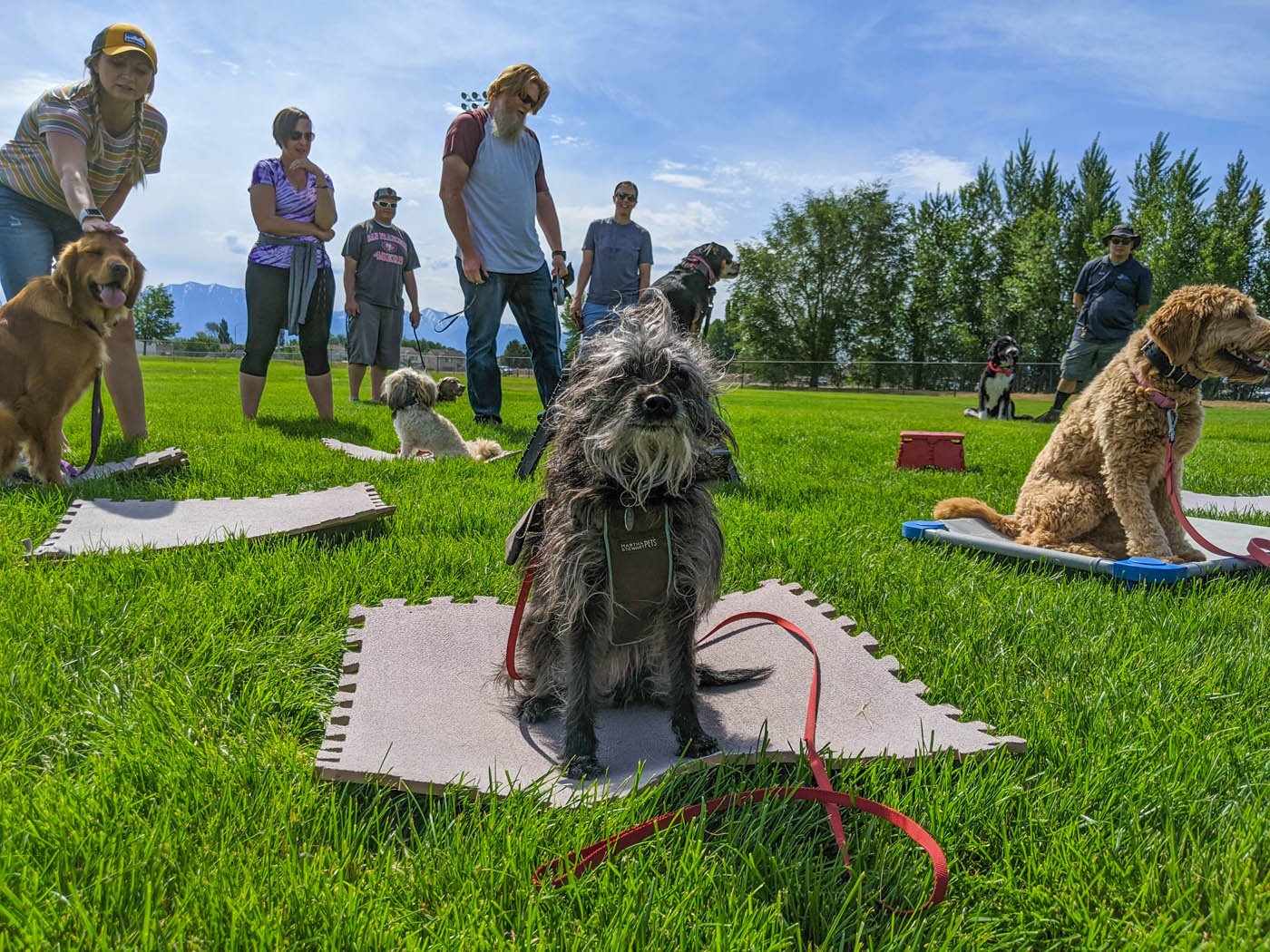
A strong Dog training session structure helps dogs understand what to do and why they should do it. In professional training settings across the United States, trainers often use planned sessions instead of random commands because dogs learn faster when each step has a purpose.
After working with different training styles, one lesson stands out: simple sessions create better results. A dog does not need long lessons. A focused routine with clear rewards, breaks, and repetition builds reliable skills over time.

What Is a Dog Training Session Structure?
A Dog training session structure is the planned order of activities used during a training lesson. It guides the trainer and dog through learning, practice, and review.
Without structure, sessions can become confusing. A dog may receive mixed signals if commands, rewards, and expectations change too often.
- ✦ Clear training goal
Each session should focus on one main skill, such as recall, leash walking, or impulse control.
- ✦ Predictable routine
Dogs learn better when they recognize the pattern of training activities.
- ✦ Progress tracking
A structured session helps owners notice improvements and adjust difficulty.
Why Structure Improves Dog Learning
Dogs learn through repetition and feedback. A planned Dog training session structure reduces stress because the dog knows what happens next.
Good structure also prevents overtraining. Short successful sessions often create stronger habits than long sessions that cause boredom.
The Five Main Parts of an Effective Training Session
A complete Dog training session structure usually follows a beginning, middle, and end. Each stage has a different role in the learning process.
Professional trainers often adjust the length based on the dog’s age, energy level, and experience.

- ✦ 1. Preparation
Prepare treats, toys, a quiet space, and a clear training goal before starting.
- ✦ 2. Warm-up
Begin with easy commands the dog already knows to build confidence.
- ✦ 3. Skill practice
Teach the new behavior with small steps and immediate rewards.
- ✦ 4. Real-life practice
Practice the skill in different places to improve reliability.
- ✦ 5. Ending routine
Finish with an easy task and a positive reward.
How Long Should a Dog Training Session Last?
The ideal Dog training session structure depends on the dog. Puppies often need shorter sessions because they lose focus quickly. Adult dogs may handle longer practice when the exercises remain interesting.
Many owners in the U.S. find success with several short sessions during the day. This approach fits busy schedules and keeps training enjoyable.

- ✦ Puppies
Use short sessions with simple skills and frequent breaks.
- ✦ Adult dogs
Increase practice time while keeping rewards and motivation strong.
- ✦ Senior dogs
Use gentle exercises that support comfort and confidence.
Building Rewards Into the Training Session
Rewards are a key part of a successful Dog training session structure. Dogs repeat behaviors that create positive results.
The reward does not always need to be food. Some dogs respond well to toys, praise, play, or access to something they enjoy.

- ✦ Reward timing
Give rewards quickly after the correct behavior so the dog understands the connection.
- ✦ Reward value
Use rewards that match the difficulty of the task.
Avoiding Common Reward Mistakes
Giving rewards too late can confuse dogs. Trainers should mark the behavior first, then deliver the reward.
Changing rewards based on the situation helps maintain motivation.
Common Problems With Poor Training Session Structure
A weak Dog training session structure can slow progress. Many owners struggle because sessions lack clear goals or become too difficult too soon.
Understanding these problems helps owners create calmer and more productive training experiences.
- ✦ Training without a plan
Random exercises make it harder for dogs to understand expectations.
- ✦ Too much repetition
Repeating the same task too long can reduce attention.
- ✦ Skipping real-life practice
Dogs need practice in different environments.
