
Dog learning retention explains why some dogs remember commands months later while others struggle after a short break. A dog does not simply memorize a word. The dog connects a cue with an action, result, and emotional experience.
From my experience studying dog training methods, the strongest results come from building habits instead of forcing quick responses. A dog that practices skills in different places learns to use those skills in daily life across the United States, from homes to parks and public spaces.

What Is Dog Learning Retention?
Dog learning retention is the ability of a dog to remember a learned behavior and perform it later. It includes remembering commands, routines, rules, and problem-solving patterns.
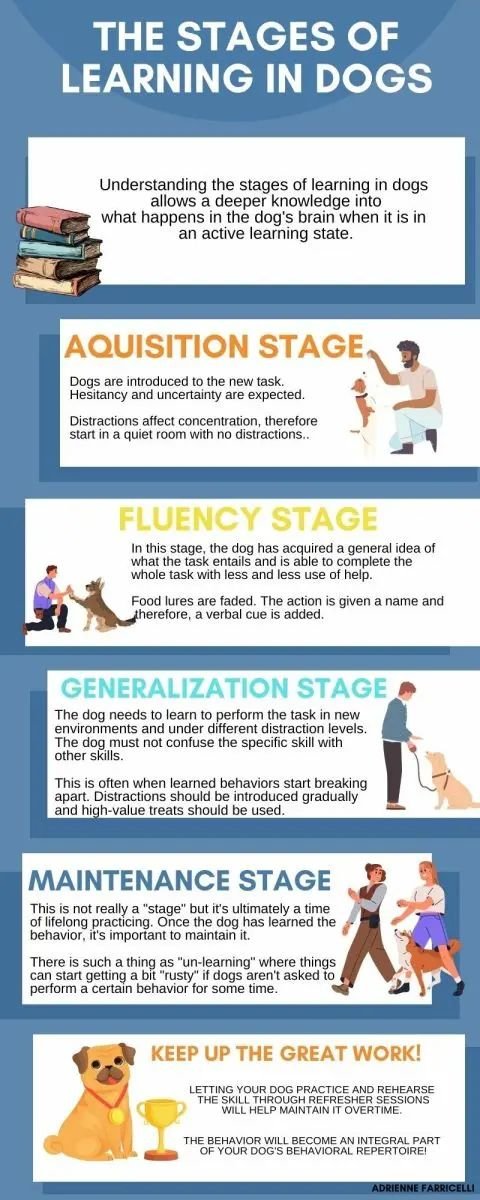
A dog may learn sit in a quiet room but fail at a busy park. This does not always mean the dog forgot. The dog may need more practice in new environments.
- ✦ Memory connection
Dogs remember behaviors by connecting cues, actions, rewards, and situations.
- ✦ Skill reliability
Strong retention allows dogs to respond correctly even after time has passed.
How Dogs Store Learned Behaviors
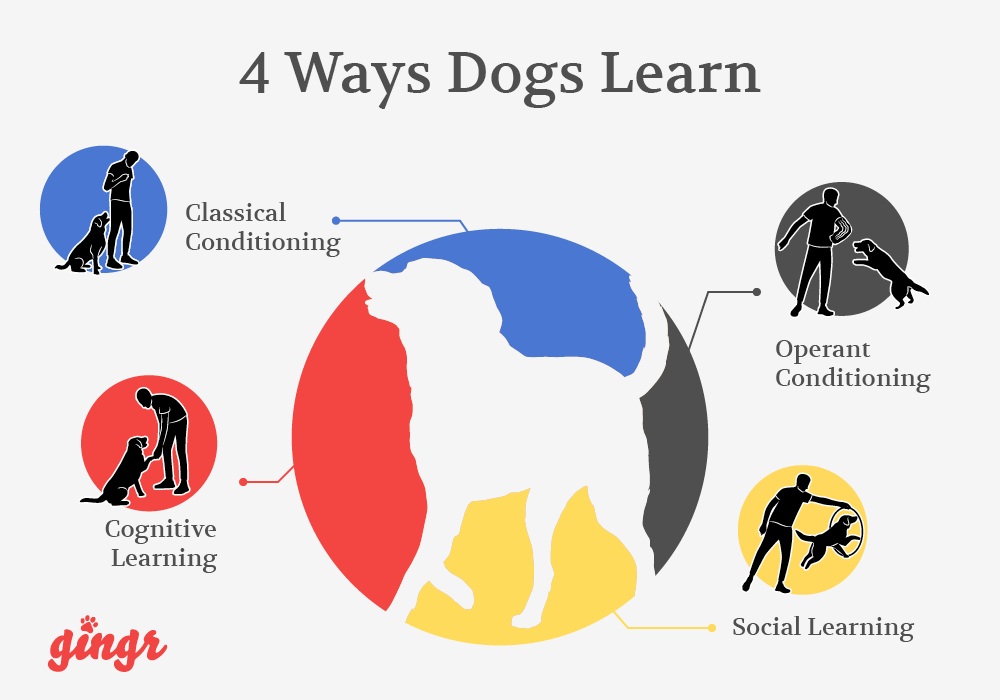
Dogs learn through associations. When a command repeatedly leads to a good outcome, the behavior becomes stronger. This process supports long-term dog learning retention.
How Memory Affects Dog Learning Retention
Dogs use different types of memory during training. They remember routines, places, people, and actions linked with rewards or emotions.
A positive training history can improve confidence. A dog that enjoys learning is often more willing to repeat behaviors.
- ✦ Short-term memory
Helps dogs process new information during a training session.
- ✦ Long-term memory
Allows dogs to keep useful behaviors over longer periods.
Factors That Improve Dog Learning Retention
Many factors affect how well a dog keeps a learned skill. Training quality matters more than the number of hours spent practicing.
Clear communication and steady routines help dogs understand what humans expect. Confusing signals can weaken dog learning retention.
- ✦ Consistent practice
Frequent short sessions help create stronger habits than rare long sessions.
- ✦ Reward timing
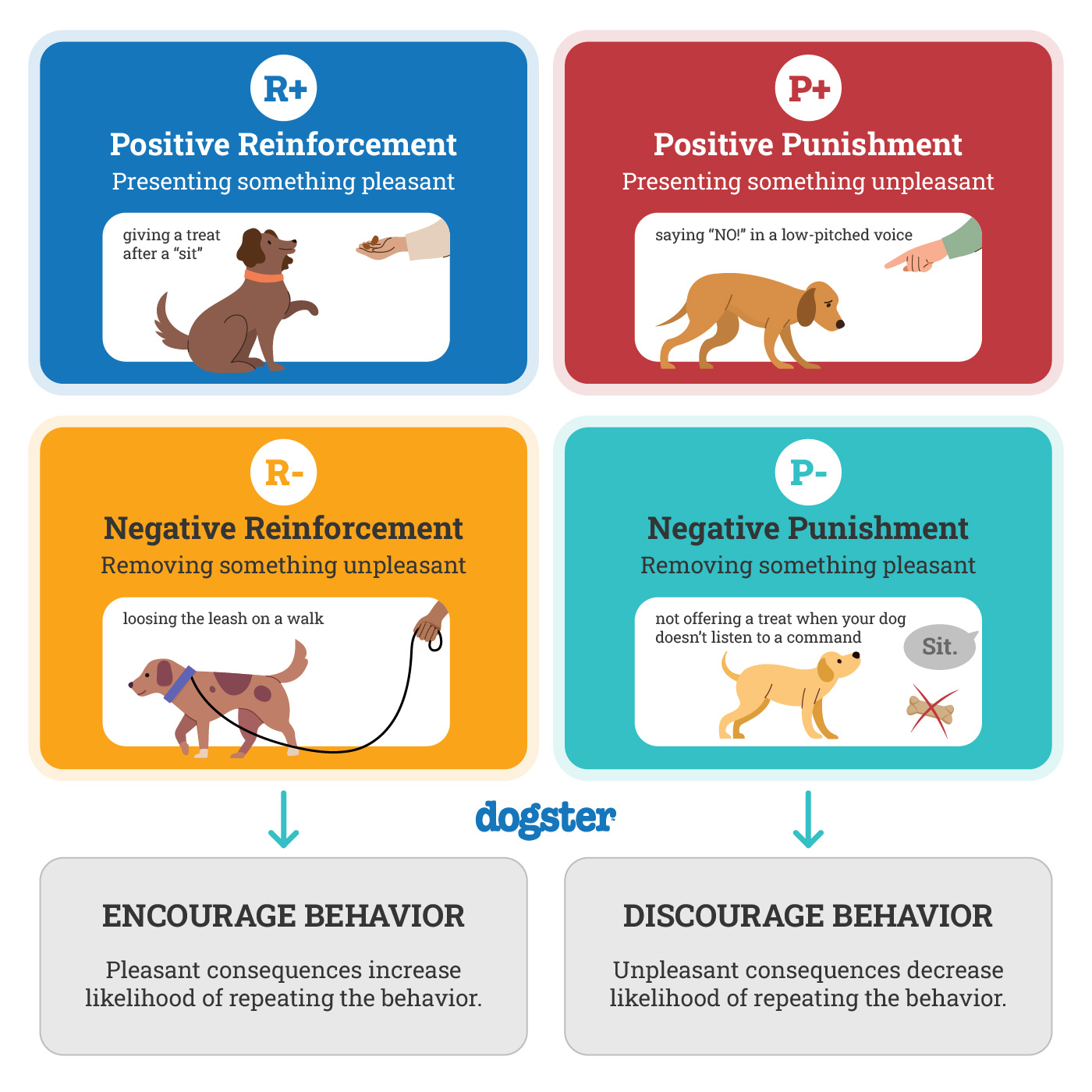
Rewards given at the right moment help dogs understand which behavior is correct.
- ✦ Real-life practice
Training in different locations improves flexibility and recall.
The Role of Positive Reinforcement
Positive reinforcement uses rewards to encourage desired actions. Food, play, praise, and access to enjoyable activities can strengthen learning.
Why Dogs Forget Training Commands
Dogs may appear to forget training because a behavior was not practiced enough or was only learned in one setting. Learning must become strong across different situations.
Stress, distractions, unclear cues, and lack of practice can reduce performance. Understanding these causes helps owners improve dog learning retention.
- ✦ Limited exposure
A dog trained only indoors may struggle outside.
- ✦ Weak reinforcement
Behaviors can fade when they stop producing valuable outcomes.
Training Methods That Build Strong Retention
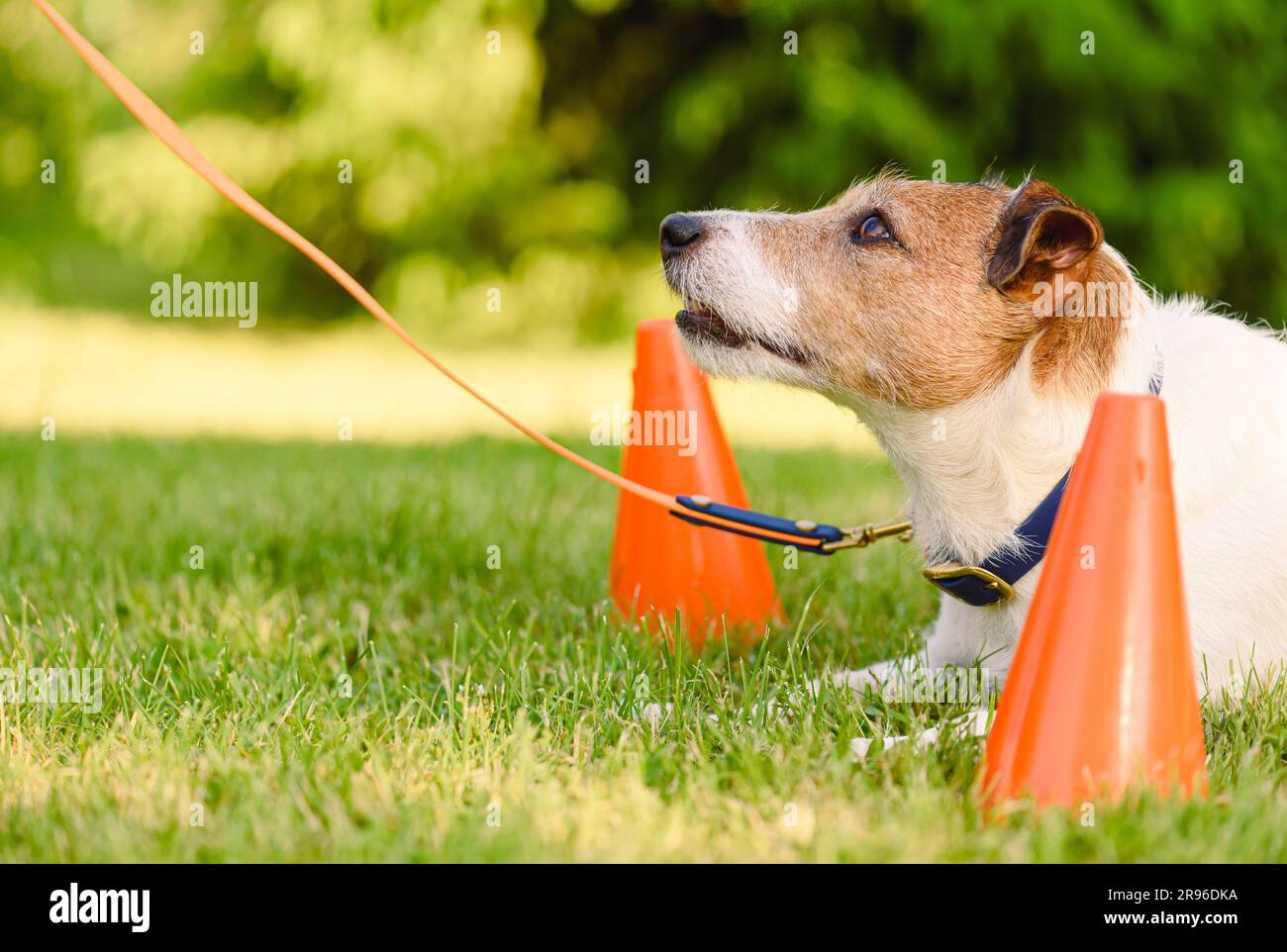
Good training focuses on understanding how dogs learn. Owners should build skills step by step and avoid rushing advanced behaviors.
A simple routine with clear cues creates reliable habits. This approach supports better dog learning retention over time.
- ✦ Spaced repetition
Practice skills over days and weeks instead of repeating them only once.
- ✦ Variable rewards
Changing rewards can help maintain motivation after learning begins.
Generalizing Skills
Dogs need practice around different sounds, people, places, and distractions. Generalization helps a dog understand that a command has the same meaning everywhere.
