
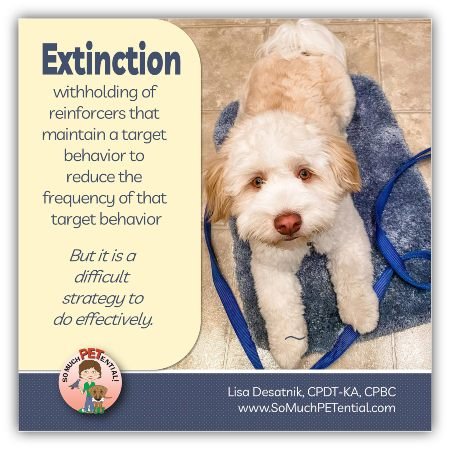
Dog behavior extinction is the process of reducing a behavior by removing its reward.
Dog behavior extinction is a science-based training method used by many trainers and pet owners in the United States. It works by stopping the reward that a dog expects from a certain action. Over time, the dog learns that the behavior no longer produces the result it wants.
In my experience studying dog training methods, the biggest mistake owners make is stopping too early. A dog may bark louder, jump more, or try harder at first. This short increase is called an extinction burst, and understanding it helps owners stay consistent.
What is dog behavior extinction?
Dog behavior extinction means a learned behavior becomes weaker because it no longer receives reinforcement. Dogs repeat actions that bring rewards, such as attention, food, play, or access to something they want.
For example, if a dog jumps on people and receives petting, the jumping behavior may continue. If people stop rewarding jumping and reward calm greetings instead, the dog begins to change its response.
- ✦ Behavior loses its reward
The dog stops receiving the result that made the behavior valuable.
- ✦ Learning happens over time
The dog needs repeated experiences before the behavior becomes less common.
How dog behavior extinction works in training
Dogs learn through consequences. When an action produces something useful, the dog is more likely to repeat it. Dog behavior extinction changes this pattern by removing the expected payoff.
A trainer must first identify what reward maintains the behavior. The reward may not always be obvious because dogs value different things, including attention, movement, freedom, or interaction.

- ✦ Find the hidden reward
Identify what the dog gains from the unwanted action.
- ✦ Remove the reinforcement
Avoid giving the reward after the unwanted behavior occurs.
- ✦ Reward alternatives
Teach and reinforce a behavior you want instead.
Examples of extinction in daily life
A common example is barking for attention. If barking always leads to talking or eye contact, the dog learns barking works. When quiet behavior receives attention instead, the dog starts choosing calm behavior.
- ✦ Door barking
Reward silence instead of barking when visitors arrive.
Understanding the extinction burst in dogs
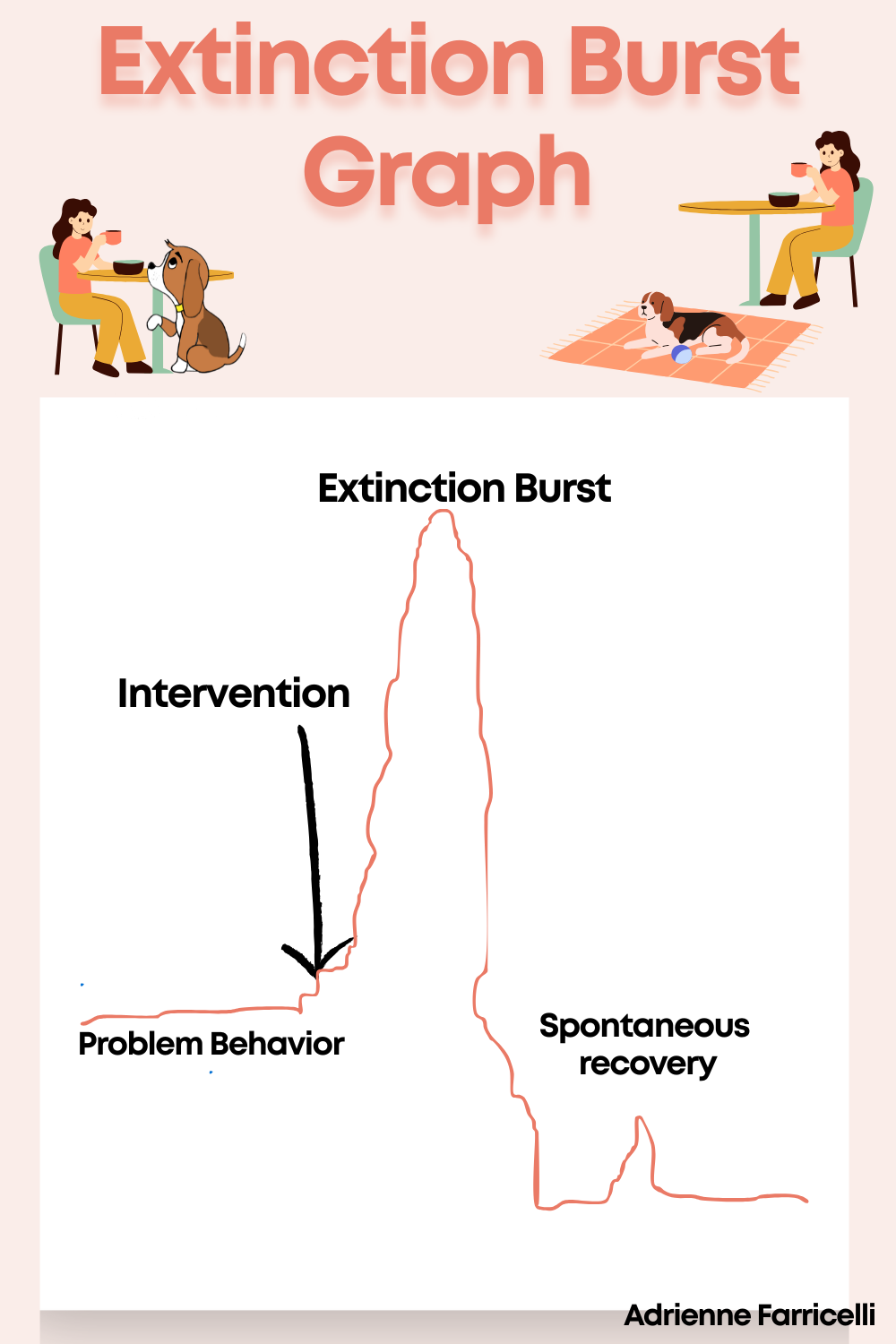
An extinction burst is a temporary increase in a behavior after its reward disappears. The dog is testing whether the old method will work again.
Many owners accidentally restart the cycle during this stage. If a dog barks for ten minutes and then receives attention, the dog may learn that longer barking works.

- ✦ More intensity
The dog may bark louder, jump higher, or repeat the behavior more often.
- ✦ Short-term challenge
The increase usually fades when owners remain consistent.
Why consistency matters
Everyone in the home should follow the same rule. Mixed responses confuse dogs and can make unwanted behaviors stronger.
Common behaviors where extinction training can help
Dog behavior extinction can help with many attention-based habits when used correctly. It is often combined with positive reinforcement to build a better response.
However, extinction is not the right solution for every behavior. Fear, aggression, and serious anxiety problems usually need professional guidance.
- ✦ Demand barking
Reduce barking that happens because the dog wants attention or rewards.
- ✦ Jumping on people
Stop rewarding jumping and reinforce calm greetings.
- ✦ Whining
Reward quiet behavior instead of repeated requests.
Mistakes to avoid with dog behavior extinction
Dog behavior extinction requires careful timing. Owners often fail because they remove rewards inconsistently or expect instant results.
Good training focuses on teaching what the dog should do, not only stopping what the dog should avoid.
- ✦ Giving in during an extinction burst
This can teach the dog that stronger behavior gets results.
- ✦ Ignoring without teaching
Dogs need clear alternative behaviors to succeed.
Benefits and limits of dog behavior extinction
Dog behavior extinction can create lasting changes when the behavior is reward-based. It helps dogs learn new patterns without using harsh corrections.
The method has limits. Some behaviors are linked to fear, stress, or emotional reactions and may require desensitization, counterconditioning, or professional support.

- ✦ Benefit: clearer communication
The dog learns which actions receive rewards.
- ✦ Limit: not universal
Some problems need additional behavior techniques.
