
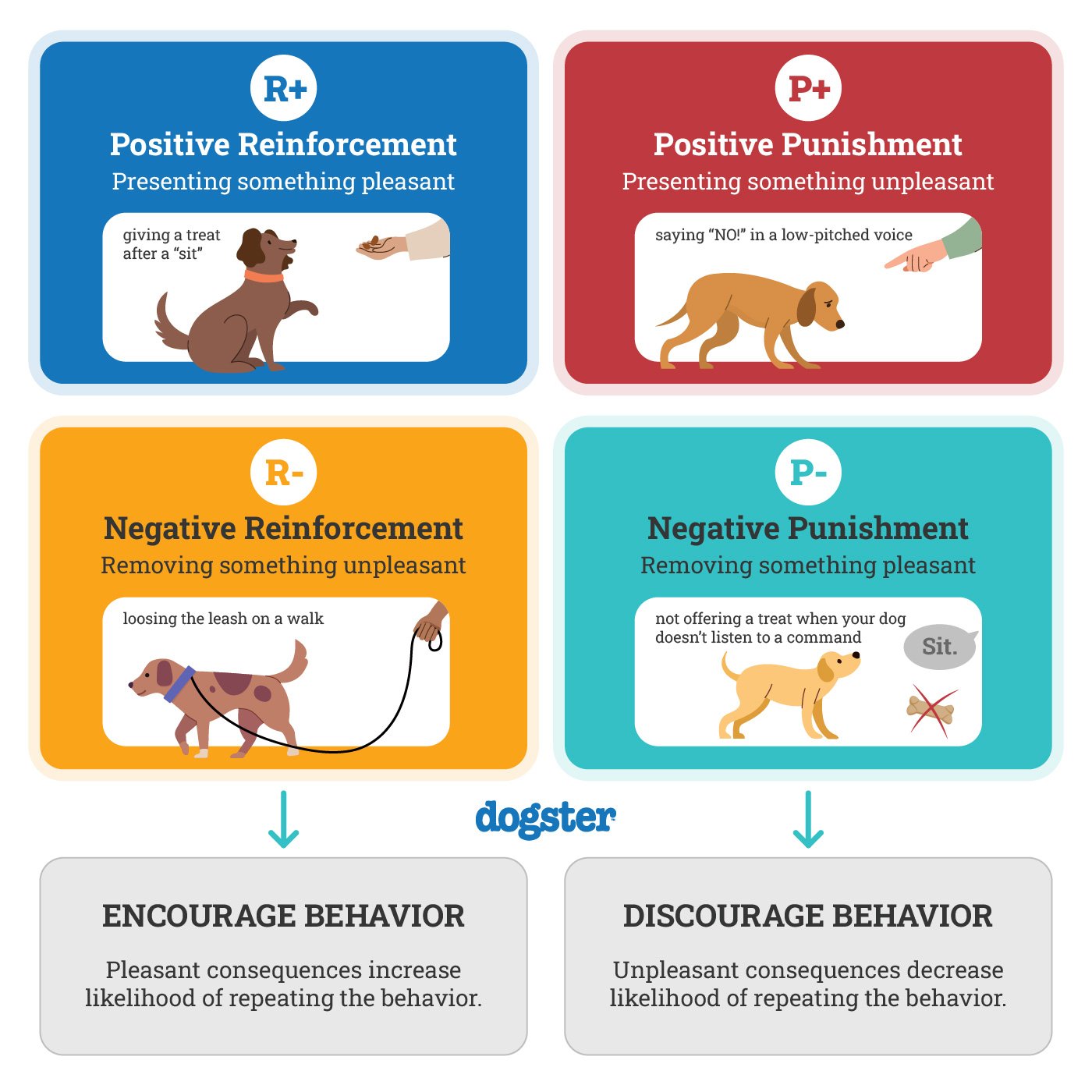
Dog behavior reinforcement is the process of increasing a dog’s chance of repeating an action by connecting that action with a meaningful outcome. In everyday life, dogs learn from what happens after they sit, wait, bark, come, or walk calmly. When a behavior brings something valuable, dogs are more likely to perform it again.
From my experience studying and applying dog training methods, the biggest improvement often comes from understanding what motivates each dog. A food reward may work well for one dog, while play, praise, or access to something enjoyable may work better for another. Good training starts with knowing the individual dog.
For many American dog owners, reinforcement-based training fits naturally into daily routines. Simple moments like rewarding calm behavior during a walk or praising a dog for waiting at the door can create stronger habits over time.
What Is Dog Behavior Reinforcement?
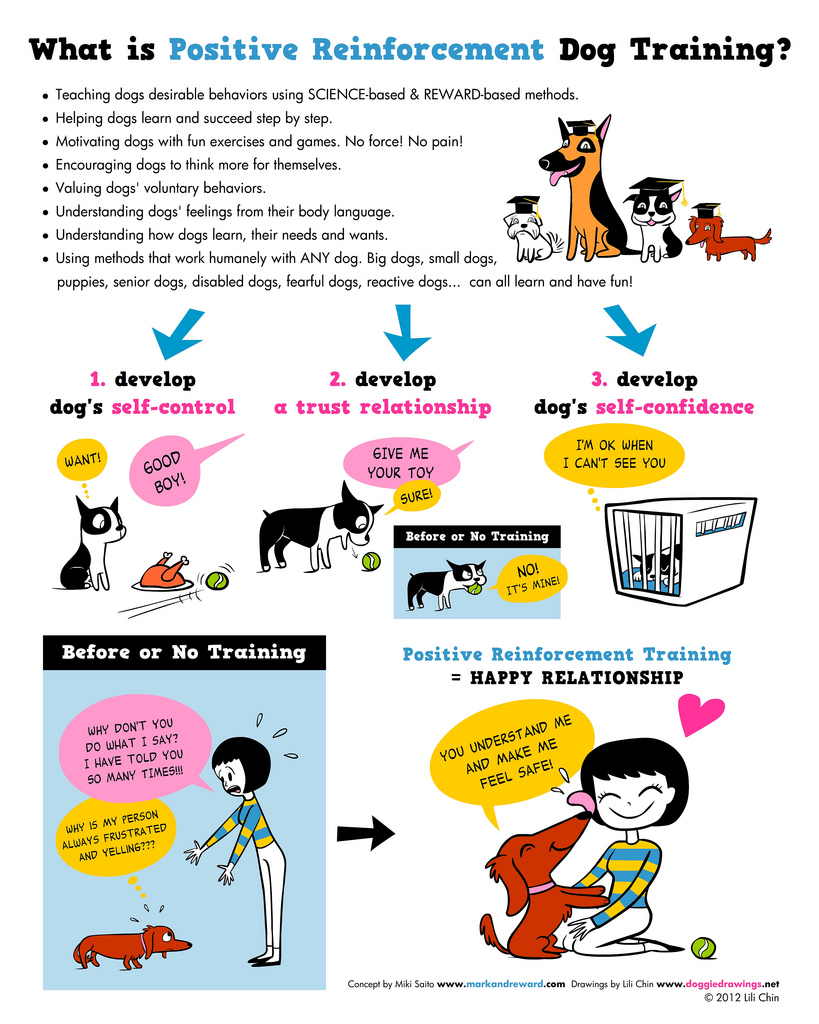
Dog behavior reinforcement is based on learning principles from behavioral science. A behavior becomes stronger when it is followed by something the dog values. This does not mean rewarding every action forever. Instead, reinforcement helps dogs understand which choices bring good results.
Many trainers use reinforcement to teach basic skills, change unwanted habits, and improve communication between dogs and humans. The goal is not just obedience. The goal is creating clear patterns that dogs can understand.

- ✦ Behavior
The action a dog performs, such as sitting, staying, coming, or walking calmly.
- ✦ Reinforcer
Something that increases the chance of the behavior happening again, such as treats, toys, praise, or access to activities.
- ✦ Learning connection
The dog learns that a specific action creates a positive outcome.
Why Reinforcement Works in Dog Training
Dogs learn through experience. When a behavior produces a valuable result, the brain creates a stronger connection between the action and the outcome. Repeated practice builds reliability.
- ✦ Clear communication
Reinforcement shows dogs what humans want instead of only correcting mistakes.
Types of Reinforcement Used in Dog Training
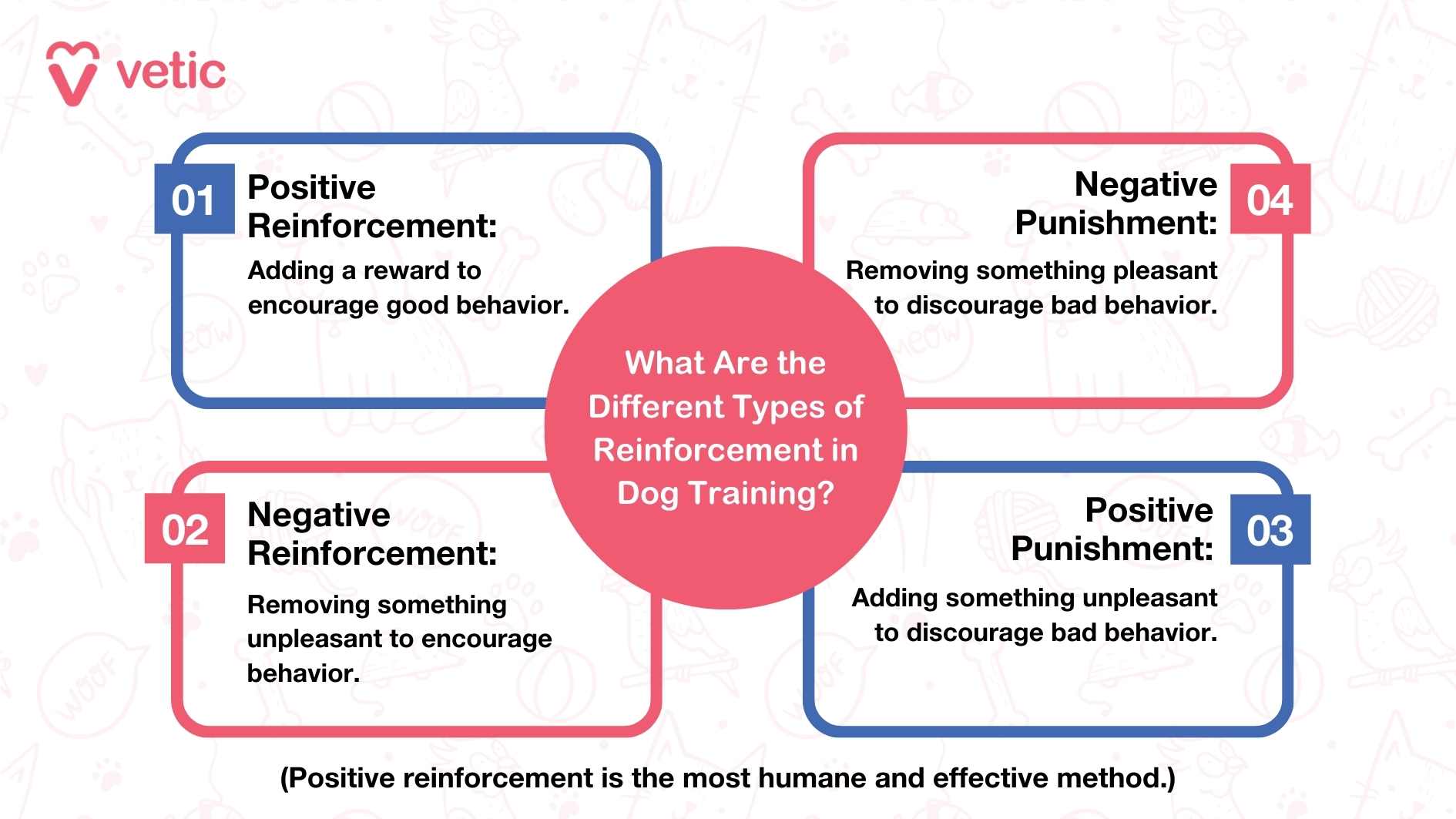
Dog behavior reinforcement can happen in several ways. Trainers often focus on positive reinforcement because it adds something enjoyable after a desired behavior. Other forms of reinforcement involve removing something unpleasant after the dog performs the correct action.
Understanding different reinforcement types helps owners choose methods that match their dog’s personality and training goals.
- ✦ Positive reinforcement
Adds something the dog enjoys after a behavior, such as giving a treat after a successful recall.
- ✦ Negative reinforcement
Removes an unpleasant condition after the dog performs the desired behavior.
- ✦ Primary reinforcers
Natural rewards such as food, water, or play that dogs already value.
- ✦ Secondary reinforcers
Learned rewards such as praise words, clicker sounds, or signals.
Positive Reinforcement and Everyday Training
Positive reinforcement is common in modern dog training because it focuses on rewarding correct choices. For example, rewarding a dog for lying quietly while guests enter the home can strengthen calm behavior.
- ✦ Real life example
A dog that receives praise for sitting before going outside learns that patience creates access to the walk.
How Reinforcement Changes Dog Behavior
Dog behavior reinforcement changes habits by increasing the value of certain actions. When a dog receives a reward after making a good choice, the dog has a reason to repeat that choice.
Successful training depends on repeating the right pattern many times. A single reward may create interest, but consistent practice creates a dependable behavior.

- ✦ Immediate feedback
Rewards should happen close to the behavior so the dog understands the connection.
- ✦ Consistency
Regular reinforcement helps dogs learn faster and avoid confusion.
- ✦ Motivation
The reward must matter to the individual dog.
The Importance of Timing
Timing is one of the most important parts of dog behavior reinforcement. If a reward comes too late, the dog may connect it with a different action. Good timing creates clearer communication.
- ✦ Mark the behavior
Use a word, click, or signal at the exact moment the dog performs correctly.
Using Reinforcement to Teach Common Dog Behaviors
Owners can use dog behavior reinforcement for many everyday skills. Basic training becomes easier when dogs understand that calm and correct actions produce valuable outcomes.
Reinforcement is useful for puppies, adult dogs, rescue dogs, and dogs learning new routines after adoption.

- ✦ Recall training
Rewarding a dog for coming when called helps build a stronger response.
- ✦ Loose leash walking
Rewarding calm walking encourages better outdoor habits.
- ✦ House manners
Rewarding appropriate bathroom habits and calm behavior supports daily routines.
Reinforcement for Behavior Problems
Reinforcement can also help reduce unwanted behaviors by teaching replacement behaviors. For example, instead of rewarding jumping with attention, owners can reward sitting politely.
- ✦ Replace, do not just remove
Dogs learn faster when they have a clear alternative behavior to perform.
Common Mistakes in Dog Behavior Reinforcement
Even experienced dog owners can make mistakes when using reinforcement. The most common issue is accidentally rewarding behaviors they want to reduce.
For example, giving attention when a dog barks may teach the dog that barking works. Owners should focus on rewarding the behavior they want to see more often.

- ✦ Rewarding at the wrong time
Late rewards can confuse dogs about which behavior earned the reward.
- ✦ Using the same reward for every dog
Different dogs have different motivations and preferences.
- ✦ Stopping too early
New behaviors need practice before they become reliable.
Building Long-Term Reliability
A trained behavior should work in different places and situations. Dogs often need practice around distractions before a behavior becomes dependable.
- ✦ Generalize skills
Practice behaviors in new locations, with different distractions, and with gradual difficulty increases.
How to Create an Effective Reinforcement Plan
A simple plan makes dog behavior reinforcement more successful. Start with one clear goal, choose a reward your dog values, and practice in short sessions.
Many professional trainers recommend keeping training sessions positive and ending before the dog becomes tired or frustrated.
- ✦ Define the behavior
Decide exactly what action you want your dog to learn.
- ✦ Choose the reward
Select food, play, praise, or another reward that motivates your dog.
- ✦ Track progress
Notice improvements and adjust training difficulty when needed.
Professional Trainer Perspective
Good trainers do not simply give rewards. They create learning systems where dogs understand choices and consequences. The best results come from patience, observation, and consistent practice.
- ✦ Focus on communication
Training works best when humans and dogs understand each other clearly.
