
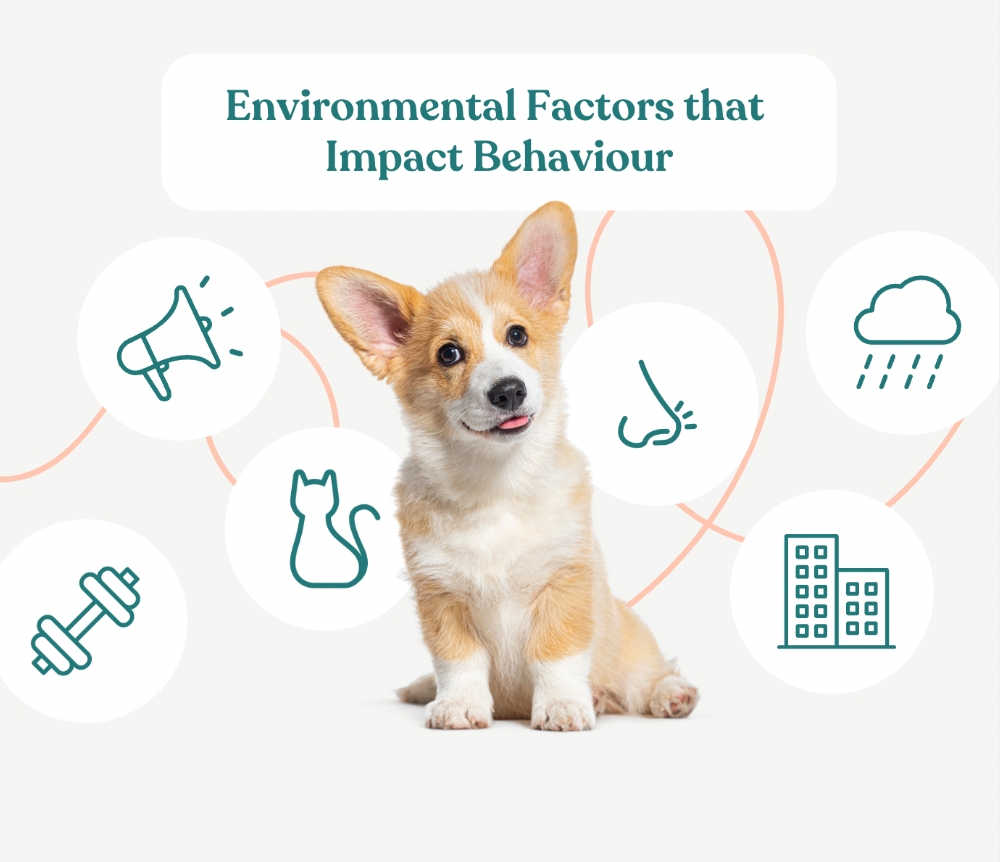
A dog response to environmental change is a natural part of canine life. Dogs constantly read their surroundings through smell, hearing, sight, and body language. A new home, different routine, weather shift, or new family member can change how a dog feels and acts.
In my experience studying dog behavior, I have seen that many behavior problems after a change are not signs of disobedience. They are often signs that a dog is trying to understand a new situation. Giving dogs time, support, and clear guidance helps them build confidence.
How dogs notice and process environmental changes
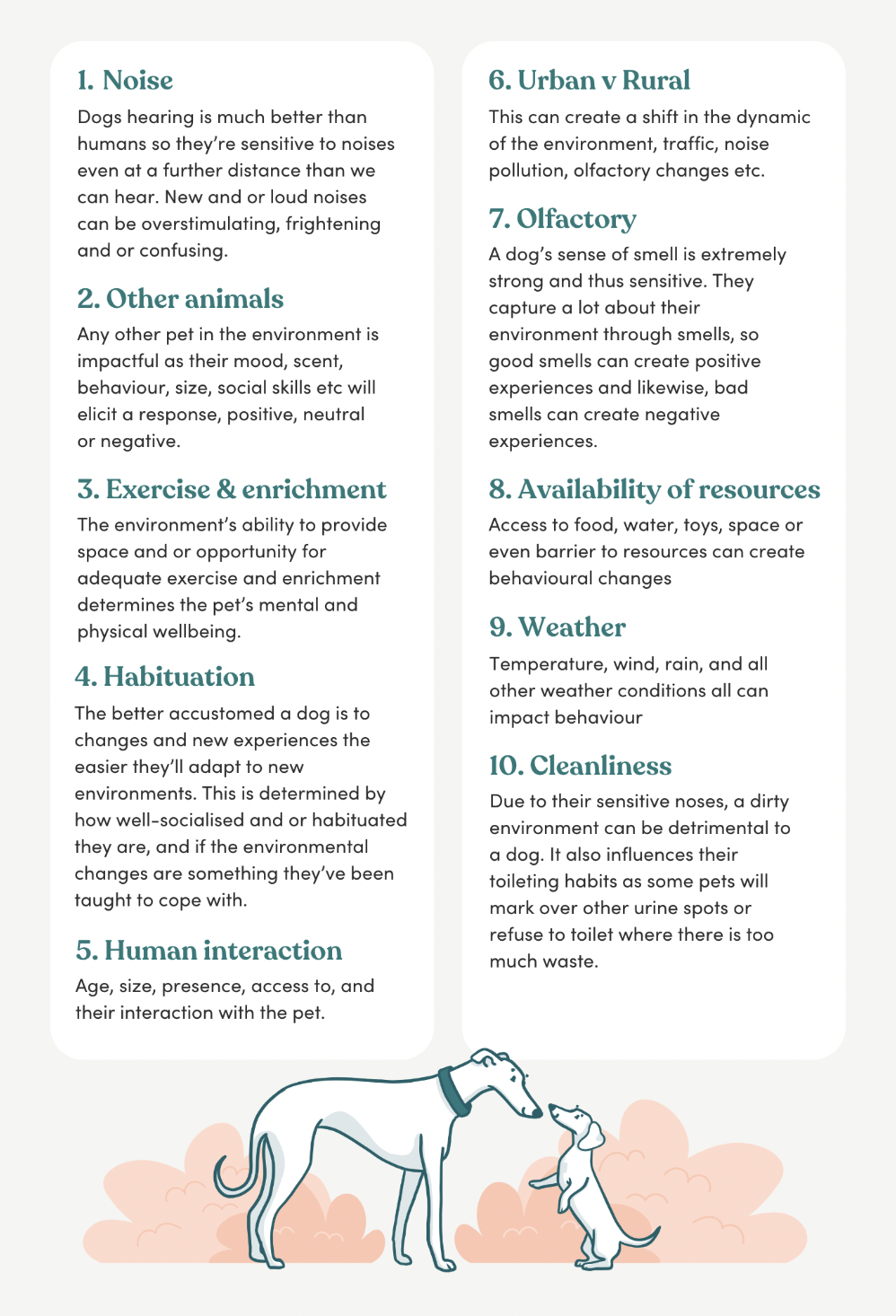
Dogs experience the world differently from humans. Their strong sense of smell helps them detect small changes around their home, neighborhood, and daily routes. Even a new piece of furniture can create a noticeable change for a sensitive dog.
The dog response to environmental change depends on the dog’s age, personality, training history, and previous experiences. A confident dog may explore quickly, while another dog may need more time.
- ✦ Smell changes
Dogs use scent information to understand new people, animals, places, and objects.
- ✦ Sound changes
New noises like construction, traffic, or household sounds can affect comfort levels.
- ✦ Routine changes
Changes in feeding, walks, or human schedules may influence emotions and behavior.
The role of canine senses
A dog’s senses act like an information system. When the environment changes, the dog collects new information before deciding whether the situation feels safe.
- ✦ Observation
Dogs often watch new situations before taking action.
Common signs of a dog response to environmental change
Dogs show their feelings through behavior and body signals. Some changes create positive reactions, while others create uncertainty or stress.
Owners should look at patterns instead of one single behavior. A temporary reaction is common during adjustment, but ongoing problems may need professional support.

- ✦ Exploration behavior
A dog may sniff, walk around, and investigate a new environment.
- ✦ Stress signals
Pacing, hiding, barking, reduced appetite, or restlessness can show discomfort.
- ✦ Social changes
Dogs may become more attached, cautious, or independent after changes.
Why some dogs struggle with environmental changes
Not every dog adjusts at the same speed. Genetics, early social experiences, and training can influence how a dog handles unfamiliar situations.
A rescue dog with limited exposure to new places may react differently from a dog that regularly visits parks, stores, and different environments.

- ✦ Past experiences
Previous fear or negative events can shape future reactions.
- ✦ Age factors
Puppies and older dogs may respond differently because their learning needs vary.
- ✦ Personality
Some dogs naturally explore more, while others prefer stability.
Environmental stress in modern American homes
Many dogs in the United States live in busy homes with traffic sounds, visitors, technology, and changing schedules. These daily factors can influence a dog’s emotional state.
How to help dogs adjust to environmental change
The best way to support a dog response to environmental change is to create safety and predictability. Dogs learn faster when they can explore new experiences at a comfortable pace.
Owners should avoid forcing a dog into overwhelming situations. Small steps help build trust and reduce fear.
- ✦ Keep routines stable
Regular meals, walks, and rest times provide security during change.
- ✦ Use positive reinforcement
Reward calm behavior around new experiences to create positive associations.
- ✦ Introduce changes slowly
Gradual exposure helps dogs learn that new environments are safe.
Training techniques for adaptation
Desensitization and counterconditioning are useful methods for helping dogs handle changes. These techniques pair new experiences with positive outcomes.
- ✦ Reward calm responses
Give treats, praise, or play when your dog remains relaxed.
Weather and climate effects on dog behavior
Environmental change also includes natural changes such as heat, storms, and seasonal shifts. Dogs may change activity levels or comfort behaviors during these periods.
Hot weather can reduce outdoor activity, while storms may create fear in noise-sensitive dogs.
- ✦ Temperature changes
Dogs may need adjusted exercise times and extra comfort during extreme temperatures.
- ✦ Seasonal changes
Different smells, daylight patterns, and outdoor conditions can affect behavior.
The connection between environment, learning, and behavior
A dog’s environment shapes learning opportunities. Dogs that experience safe and varied environments often develop better coping skills.
A balanced approach is important. Too much change can overwhelm a dog, but healthy exposure can improve confidence.
- ✦ Mental enrichment
New safe experiences can provide valuable mental stimulation.
- ✦ Confidence building
Successful experiences help dogs handle future changes better.
