

Dog breed food motivation is an important part of understanding canine behavior. Some dogs will work hard for a small treat, while others may ignore food and prefer praise, toys, or play. This difference does not mean one dog is smarter or better. It shows that every dog has unique reward preferences.
In professional dog training, I have seen food motivation change the way owners connect with their pets. A shy dog may gain confidence through small food rewards. A young dog may learn commands faster when training feels fun and rewarding.

What Is Dog Breed Food Motivation?
Dog breed food motivation is the level of interest a dog shows toward food rewards. A highly food motivated dog may focus quickly during training and repeat behaviors to earn a treat. A less food motivated dog may need different rewards or a slower approach.
Food motivation does not depend only on breed. It also depends on age, health, environment, past learning, and the quality of the reward. Understanding these factors helps owners create better training plans.
- ✦ Strong food motivation
These dogs often enjoy training sessions and respond quickly when treats are part of the process.
- ✦ Moderate food motivation
These dogs may enjoy treats but need variety, praise, or play to stay interested.
- ✦ Low food motivation
These dogs may prefer toys, movement, attention, or other rewards instead of food.
Why Food Rewards Work for Many Dogs
Food connects with natural survival instincts. Dogs learn that certain actions can lead to positive results. This simple connection makes food a powerful training tool.
- ✦ Clear communication
Treats help owners show dogs which behaviors are correct.
How Breed Traits Influence Food Motivation
Some dog breeds are known for being eager learners and highly responsive to rewards. Working breeds often enjoy tasks and may quickly connect food with training success. However, individual personality always matters.
Dog breed food motivation can vary even among dogs from the same breed. Two Labrador Retrievers, for example, may have different levels of interest in treats because of their habits, health, and life experiences.

- ✦ Retrievers
Many retriever breeds enjoy food rewards and often respond well to reward-based training.
- ✦ Terriers
Some terriers may value play and movement more than food during certain activities.
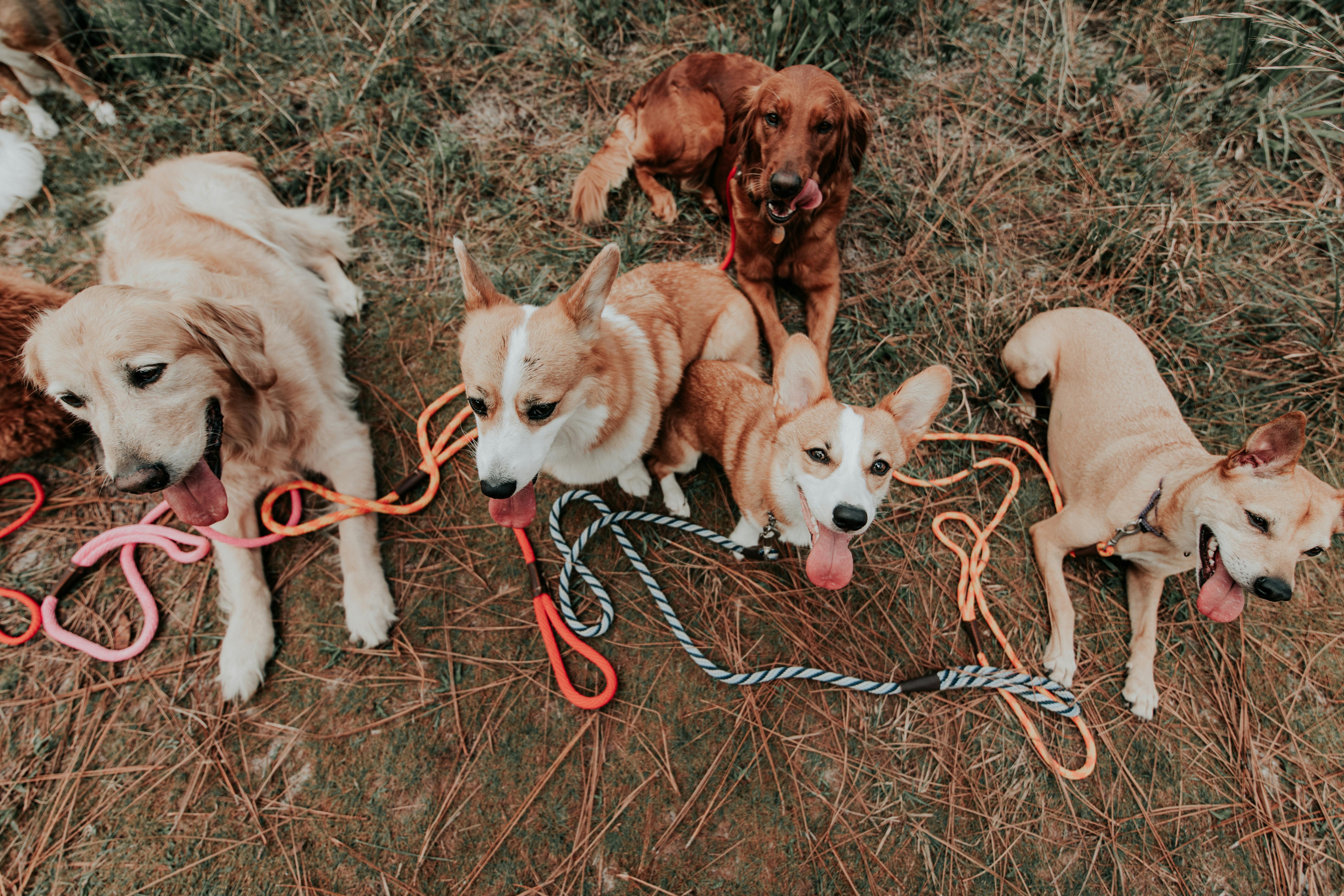
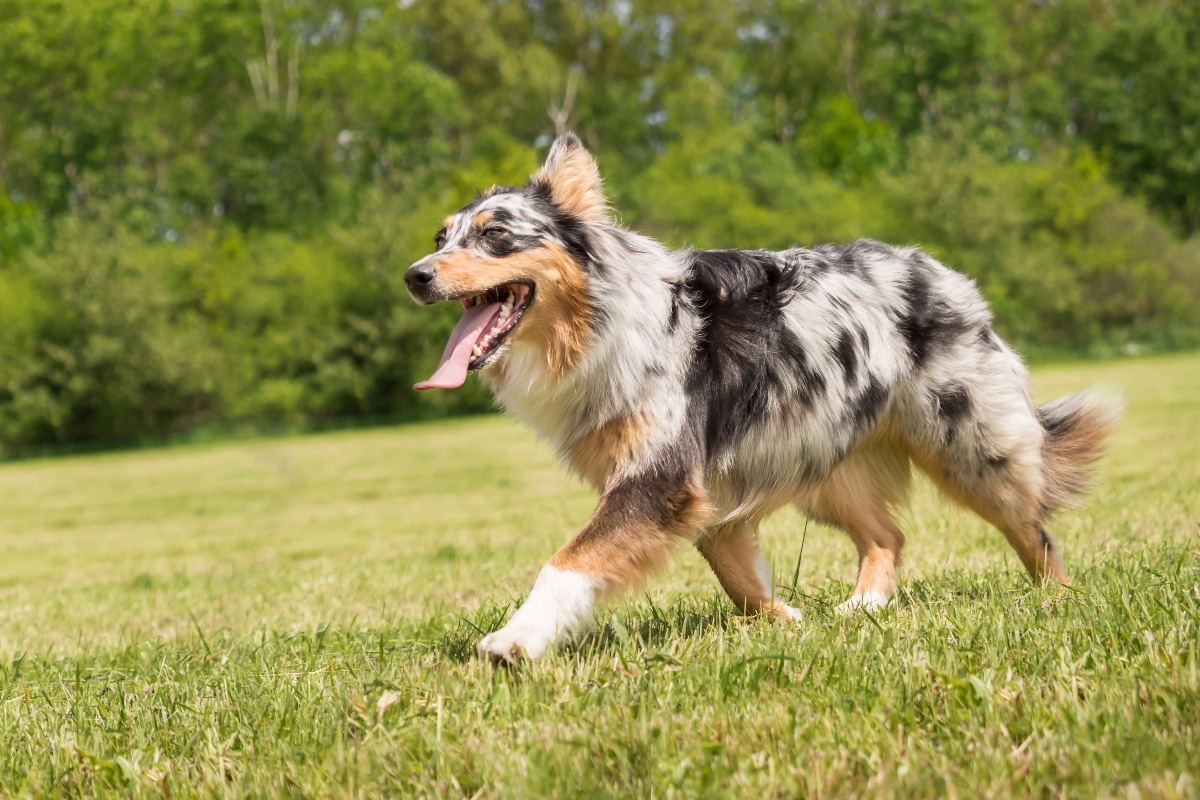
- ✦ Herding breeds
Many herding dogs enjoy structured tasks and may use food as a strong learning reward.
Genetics and Individual Personality
Genes can influence appetite, energy levels, and reward systems. Still, training history and daily routines often shape how a dog responds to food.
- ✦ Every dog is different
Breed information can guide expectations, but owners should watch their own dog’s behavior.
Benefits of Using Food Motivation in Dog Training
Food rewards can make training easier for many dogs. They create a simple way to encourage good behavior without fear or punishment. When used correctly, treats become a communication tool.
Dog breed food motivation can support obedience training, puppy learning, behavior changes, and confidence building. The key is to reward the right behavior at the right moment.

- ✦ Faster learning
Dogs often understand new commands better when rewards are clear and immediate.
- ✦ Better focus
Small treats can help dogs pay attention in distracting environments.
- ✦ Positive relationships
Reward-based training can strengthen trust between dogs and owners.
Using Treats Without Creating Problems
Treats should support learning, not replace good habits. Owners should slowly reduce treats over time and continue rewarding behavior with praise and life rewards.
- ✦ Choose healthy treats
Use small, balanced treats that fit your dog’s daily calorie needs.
Why Some Dogs Are Not Interested in Food Rewards
Not every dog responds strongly to treats. Some dogs may feel stressed, distracted, full, or uncomfortable. Others may simply prefer another type of reward.
Low food motivation does not mean a dog cannot learn. Owners can explore toys, praise, play, and environmental rewards to find what works best.
- ✦ Health concerns
Dental issues, illness, or digestive problems may reduce interest in food.
- ✦ Poor timing
Dogs may ignore treats when training happens after a large meal.
- ✦ Wrong reward
Some dogs prefer movement, games, or social interaction instead of snacks.
Improving Food Interest Safely
Owners can improve food motivation by using better treats, creating short training sessions, and avoiding free feeding all day. A consistent routine can help dogs value rewards more.
- ✦ Build curiosity
Introduce treats during calm, positive moments to create a better connection.
How to Use Dog Breed Food Motivation Correctly
Successful training depends on more than giving treats. Owners need timing, consistency, and clear communication. A reward should come right after the desired behavior.
Dog breed food motivation works best when treats are part of a complete training system. Dogs should also learn to respond without always expecting food.
- ✦ Start with small rewards
Small pieces help maintain focus while avoiding too many calories.
- ✦ Reward quickly
Immediate rewards help dogs understand which action earned the treat.
- ✦ Mix rewards
Combine food with praise, toys, and play for stronger learning.
Food Motivation for Puppies and Adult Dogs
Puppies often respond well to food because they are learning many new behaviors. Adult dogs can also develop stronger food motivation with patient and positive training.
- ✦ Age matters
Training methods should match the dog’s age, energy, and learning ability.
