
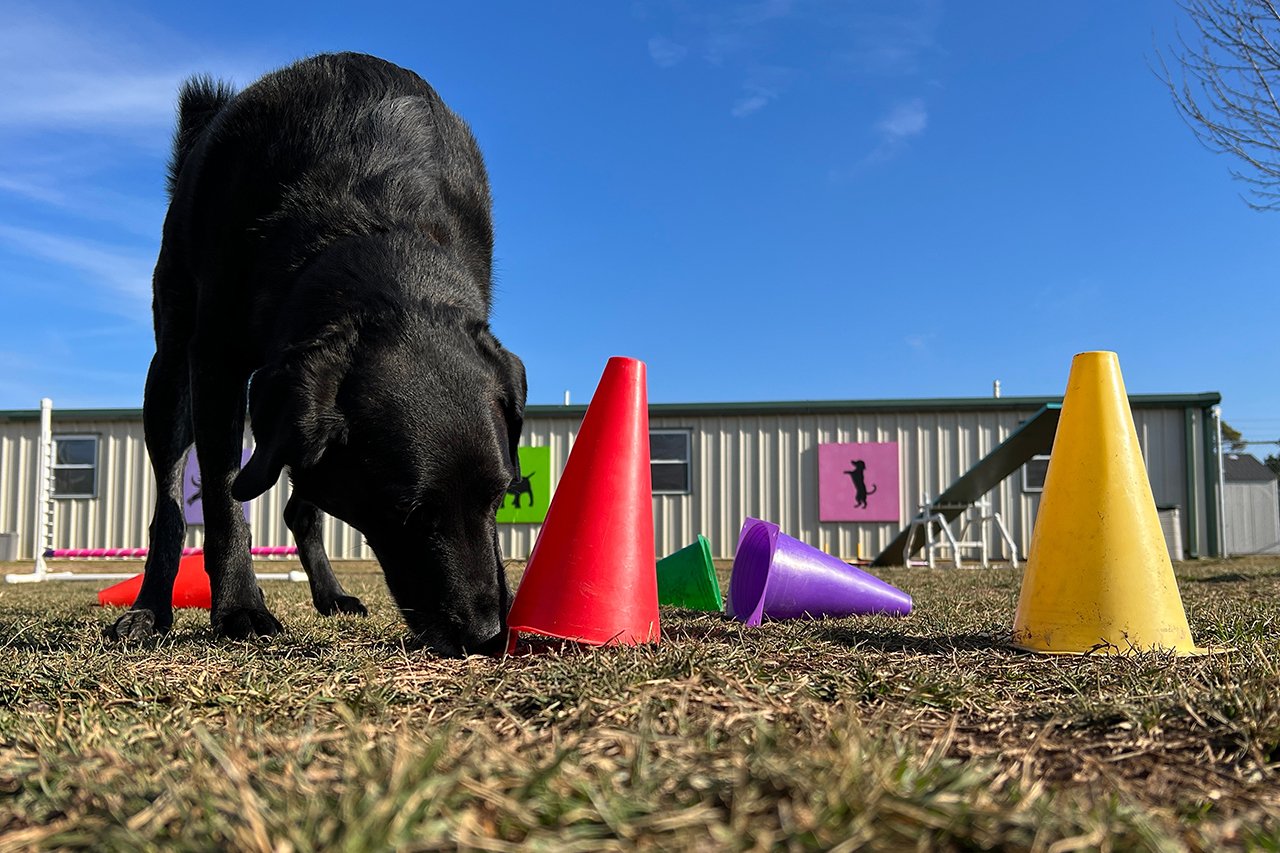
Dogs are not just animals that need food, walks, and rest. Their brains also need daily challenges. Dog breed cognitive enrichment gives dogs a chance to think, make choices, and use their natural abilities in healthy ways.
In my work studying dog behavior and enrichment methods, I have seen that many behavior problems start with a lack of mental activity. A busy dog brain often creates a calmer dog at home. This is especially important for active breeds in American homes where owners may spend many hours away at work.
The best Dog breed cognitive enrichment plans match a dog’s breed traits, age, personality, and energy level. A Border Collie may enjoy advanced problem solving, while a Beagle may prefer scent based games. The goal is not to make every dog perform the same tasks. The goal is to help each dog use its mind.

What Is Dog Breed Cognitive Enrichment?
Dog breed cognitive enrichment means activities that challenge a dog’s thinking skills. These activities encourage learning, memory, problem solving, and decision making.
Unlike simple exercise, mental enrichment asks a dog to use its brain. A walk may tire the body, but a puzzle feeder or training game can tire the mind too. Both forms of activity are important for a balanced dog.
Dog breed cognitive enrichment can include food puzzles, scent games, obedience training, interactive toys, and new experiences. The best activities feel like natural work for the dog.
- ✦ Problem solving
Dogs learn how to find solutions through puzzles, toys, and simple challenges.
- ✦ Learning skills
Training sessions improve focus, communication, and confidence.
- ✦ Natural behaviors
Enrichment allows dogs to use instincts like sniffing, searching, and exploring.
Why Mental Stimulation Matters for Dogs
A dog’s brain stays healthier when it receives regular challenges. Without enough activity, some dogs may develop unwanted habits like chewing, digging, barking, or searching for trouble.
Mental stimulation does not need to be complex. A few minutes of focused training or a new puzzle can create a meaningful challenge.
- ✦ Better focus
Regular brain games help dogs pay attention and respond better during training.
How Dog Breed Differences Affect Cognitive Enrichment Needs
Every dog has a unique mind. Breed history often influences the type of enrichment a dog enjoys most. Working breeds, hunting breeds, and companion breeds may need different challenges.
Dog breed cognitive enrichment works best when owners understand why their dog behaves a certain way. A retriever may love carrying and finding objects. A terrier may enjoy searching and digging activities.
Choosing the right activity helps prevent frustration. A challenge should be interesting but not so difficult that the dog gives up.

- ✦ Herding breeds
Breeds like Border Collies often enjoy advanced training, movement games, and tasks that require decision making.
- ✦ Scent breeds
Dogs like Beagles often enjoy nose work, tracking games, and hidden food searches.
- ✦ Working breeds
Many working dogs benefit from structured tasks and problem solving activities.
Popular Types of Cognitive Enrichment Activities for Dogs
There are many ways to provide Dog breed cognitive enrichment at home. The best choices are safe, enjoyable, and suited to the dog’s abilities.
Many American dog owners use simple household activities, training games, and interactive toys. These activities can fit into busy schedules without requiring expensive equipment.
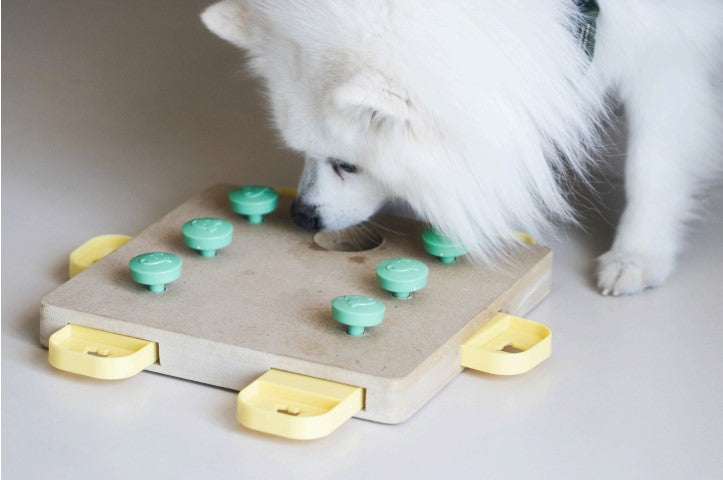
- ✦ Puzzle toys
Puzzle toys hide treats and encourage dogs to think about how to access the reward.
- ✦ Scent games
Scent activities allow dogs to search and use one of their strongest natural abilities.
- ✦ Training challenges
Learning new commands creates mental effort and strengthens the bond between dog and owner.
Food Based Brain Games
Food puzzles are a simple starting point for many dogs. They slow eating and make dogs work for rewards.
Owners should choose puzzle levels based on their dog’s experience. Easy success builds confidence before harder challenges are introduced.
Benefits of Dog Breed Cognitive Enrichment
Dog breed cognitive enrichment supports many areas of a dog’s life. It can improve confidence, reduce boredom, and create a stronger relationship between dogs and humans.
A dog that receives healthy mental challenges often has better ways to use energy. Instead of creating its own activities, the dog learns acceptable ways to explore and think.
Enrichment is not a replacement for veterinary care or professional training. It is one part of complete dog care.

- ✦ Reduced boredom
Mental activities give dogs something positive to focus on during the day.
- ✦ Improved confidence
Solving small challenges helps dogs feel capable and secure.
- ✦ Stronger relationship
Shared activities build trust between dogs and their owners.
Creating a Daily Cognitive Enrichment Routine
A good enrichment routine does not need hours each day. Short sessions done consistently can create lasting benefits.
Owners should mix different activities to keep dogs interested. Repeating the same game every day may become boring over time.
Dog breed cognitive enrichment should also change as dogs grow older. Puppies, adults, and senior dogs have different learning abilities and physical needs.

- ✦ Start simple
Begin with easy games and increase difficulty slowly.
- ✦ Watch your dog
Pay attention to what activities create excitement and confidence.
- ✦ Create variety
Rotate toys, training tasks, and environments to provide new experiences.
Common Mistakes When Using Cognitive Enrichment
Not every enrichment activity works for every dog. Owners sometimes choose games based on popularity instead of their dog’s needs.
Good Dog breed cognitive enrichment requires patience. Dogs should feel challenged, not stressed.
Another common mistake is using enrichment only when a dog has behavior problems. Mental exercise works best as a daily habit.
- ✦ Making games too hard
Difficult tasks can create frustration and reduce interest.
- ✦ Ignoring breed traits
Activities should connect with the dog’s natural abilities.
