
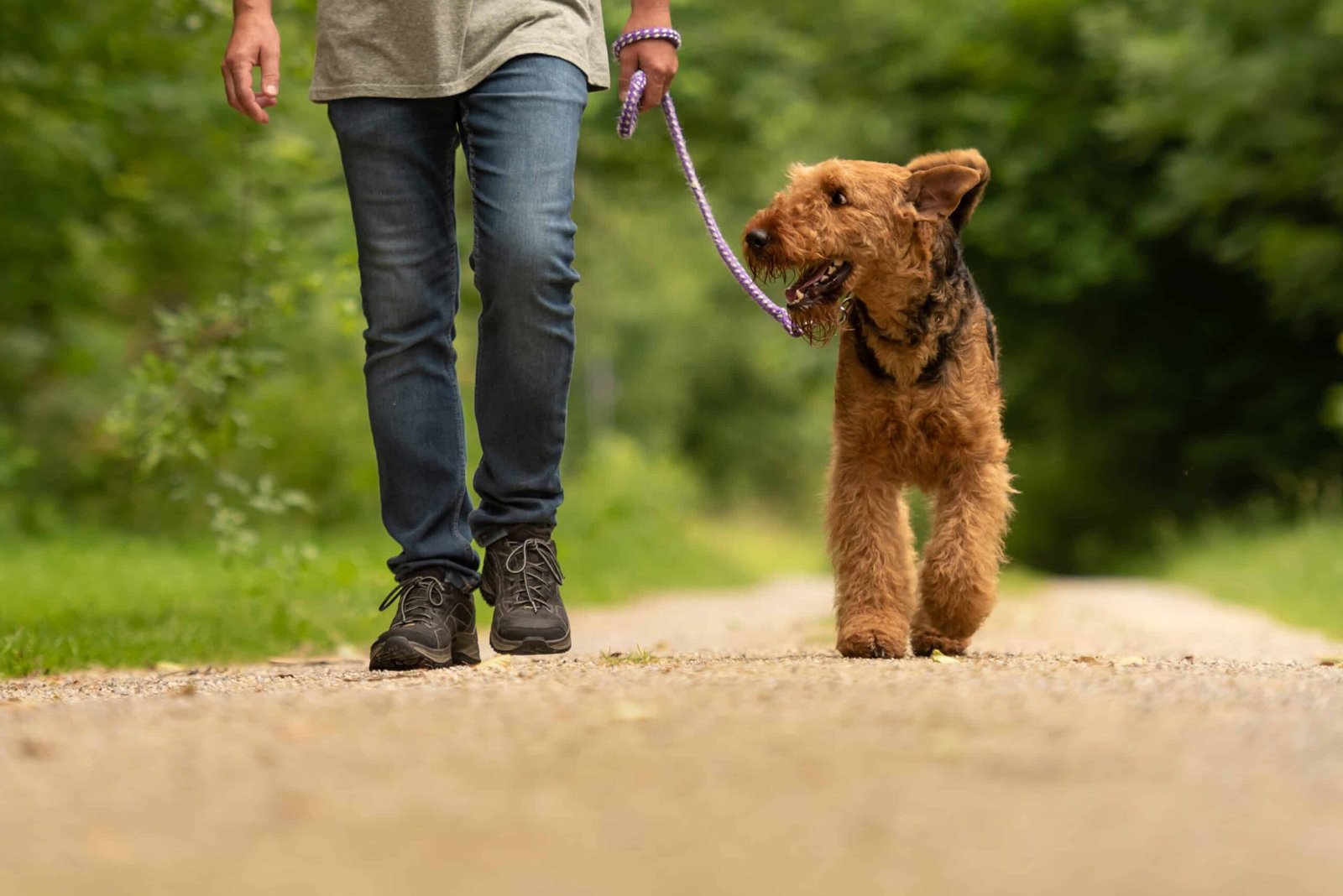
Learning the Dog breed leash walking stages helps owners understand what their dogs need at each step. A young puppy, an adult rescue dog, and a high-energy working breed may all need different training speeds.
In my experience working with dog training content and behavior topics, many walking problems happen because owners skip early stages. Dogs often need time to learn that the leash is a guide, not a restriction.
A good leash walk is not about making a dog walk perfectly beside you from day one. It is about building trust, focus, and calm habits through small steps.
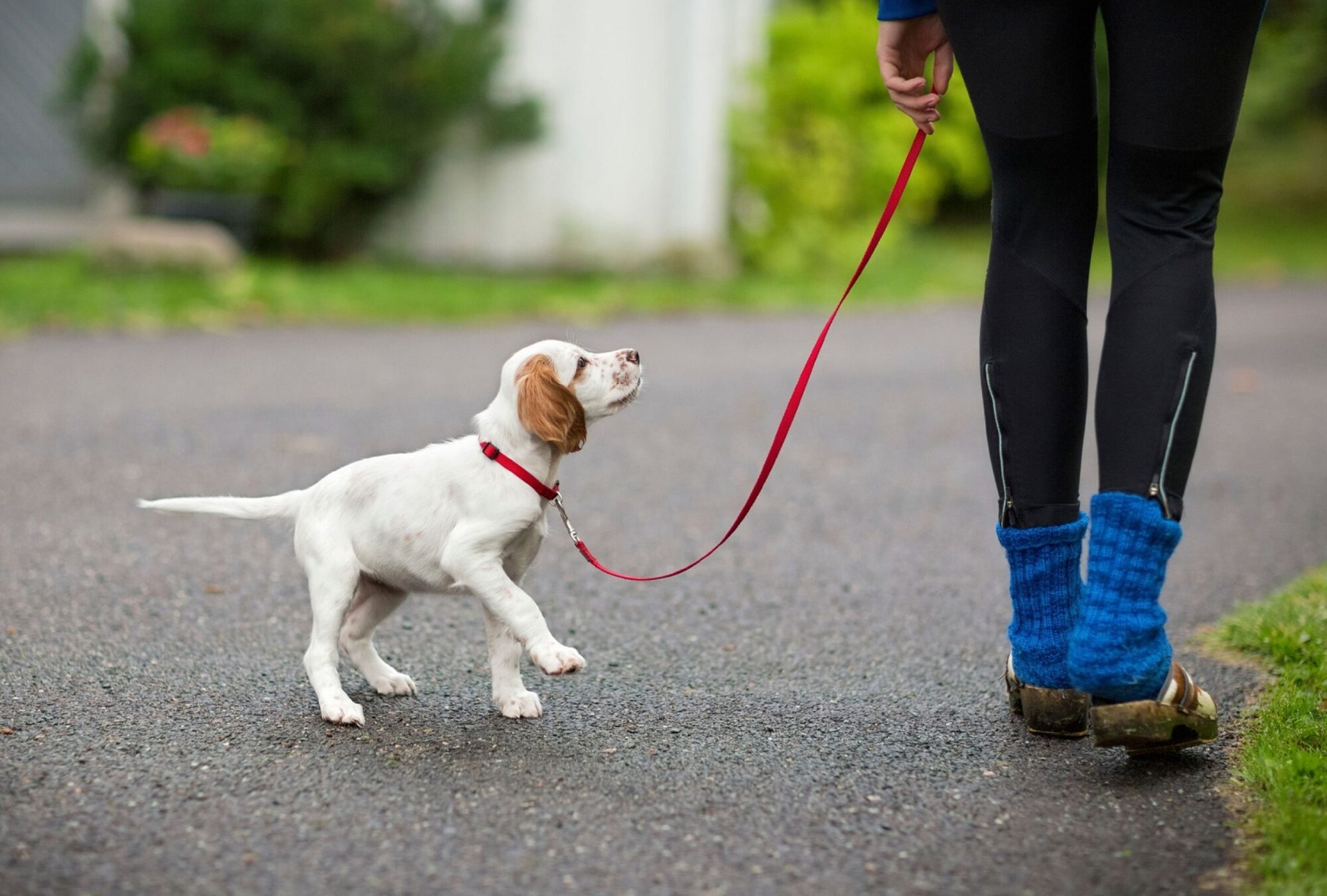
Understanding the Dog breed leash walking stages
The Dog breed leash walking stages are a training roadmap that shows how dogs move from beginner skills to reliable walking behavior. Each stage builds on the one before it.
Some dogs learn quickly, while others need more repetition. Breed traits, age, confidence, and daily routine all affect progress.
- ✦ Foundation stage
The dog learns that a collar, harness, and leash are safe and comfortable.
- ✦ Control stage
The dog practices staying near the owner without pulling or rushing.
- ✦ Real-world stage
The dog learns to walk calmly around people, animals, sounds, and distractions.
Why stages matter in leash training
Dogs do not naturally understand human walking rules. They learn through repetition and clear feedback.
Following proper Dog breed leash walking stages prevents frustration and helps create a stronger bond between the owner and dog.
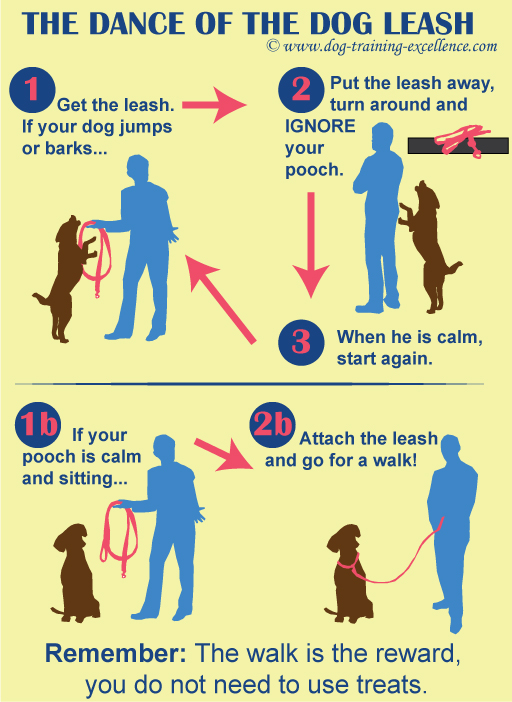
Stage 1: Introducing the leash and building comfort
The first stage focuses on making the leash feel normal. Many puppies and newly adopted dogs may bite, freeze, or avoid the leash at first.
Owners should start indoors or in a quiet space. The goal is not walking distance. The goal is confidence.

- ✦ Let the dog explore the equipment
Allow your dog to sniff the leash and reward calm interest with treats or praise.
- ✦ Keep early sessions short
Five-minute practice sessions can help prevent stress and keep learning positive.
Choosing the right leash setup
A comfortable harness or collar can make training easier. The best choice depends on the dog’s size, strength, and walking style.
Avoid equipment that causes pain or fear because it can create negative feelings toward walking.
Stage 2: Teaching basic leash movement indoors
After a dog accepts the leash, the next Dog breed leash walking stage is learning simple movement. Start by rewarding your dog for following you.
Indoor practice removes outdoor distractions. This gives the dog a better chance to understand the lesson.
- ✦ Reward attention
Give praise when your dog looks at you or stays close while walking.
- ✦ Practice direction changes
Gentle turns teach dogs to follow your movement instead of pulling ahead.
Building loose leash walking habits
Loose leash walking means the leash stays relaxed most of the time. The dog does not need to stay in a strict heel position for every casual walk.
The main goal is cooperation between the dog and owner.
Stage 3: Moving outdoor leash training into quiet areas
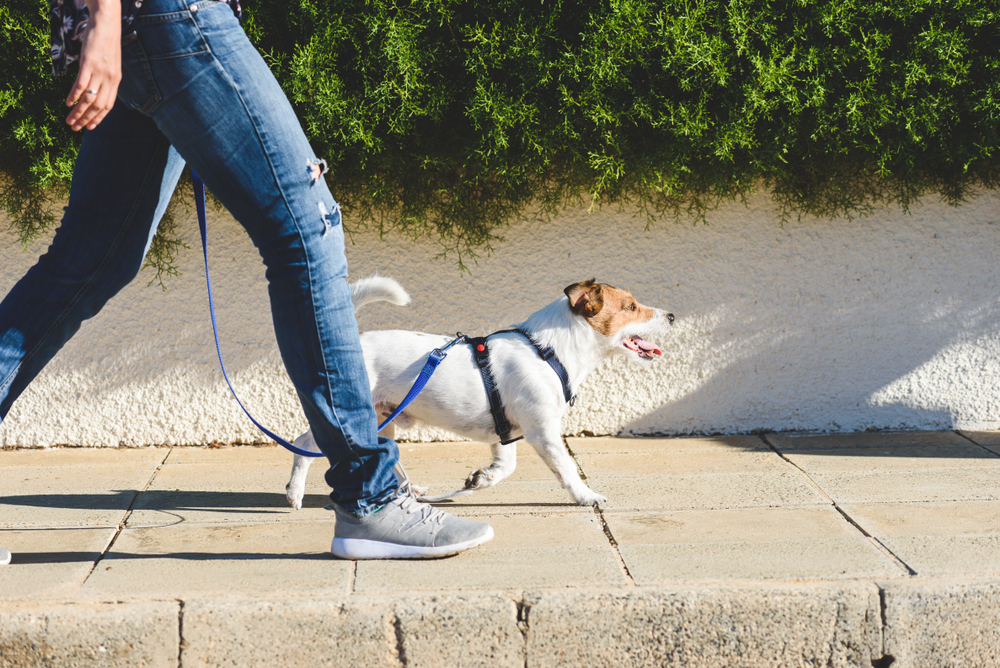
Outdoor spaces introduce new smells, sounds, and sights. This makes the third Dog breed leash walking stage more challenging.
Begin in calm places like a backyard, quiet street, or empty park area before moving into busy locations.
- ✦ Increase difficulty slowly
Add new distractions one at a time so your dog can succeed.
- ✦ Reward calm choices
Praise your dog for walking calmly instead of reacting to every distraction.
Common outdoor challenges
Dogs may pull toward other dogs, chase moving objects, or become nervous around traffic sounds.
These behaviors are normal during learning and improve with consistent practice.
Stage 4: Training around distractions and real-life situations
The advanced Dog breed leash walking stages involve practicing in real environments. This includes sidewalks, neighborhoods, and public spaces common in the United States.
A dog that walks well in a quiet area may still struggle near crowds, squirrels, bicycles, or other dogs.

- ✦ Use distance wisely
Give your dog space from distractions until they can stay calm.
- ✦ Practice regularly
Frequent short walks usually create better habits than rare long sessions.
Helping different breeds succeed
Working breeds may need more mental challenges during walks. Small breeds may need extra confidence training.
Every dog benefits from patience and clear communication.
Stage 5: Maintaining reliable leash walking skills
The final Dog breed leash walking stage is maintenance. Even trained dogs need reminders and regular practice.
A good walking routine keeps skills strong and supports healthy physical and mental activity.

- ✦ Keep rewarding good behavior
Occasional rewards help maintain positive walking habits.
- ✦ Adjust for life changes
Age, health, and new environments may require training adjustments.
Signs your dog has improved
Your dog follows your pace, responds to cues, and stays calmer around normal distractions.
Reliable leash skills make daily walks safer and more enjoyable.
