

Labrador Retriever growth and maturity is a gradual process that affects body size, energy levels, behavior, and health. Many American families bring home a Labrador puppy because of the breed’s friendly nature, but understanding development stages helps owners provide better care.
A Labrador does not become an adult dog overnight. The body grows quickly during puppyhood, while confidence, focus, and emotional control often develop later. Careful feeding, training, and daily activity support healthy Labrador Retriever growth and maturity.

Understanding Labrador Retriever growth and maturity stages
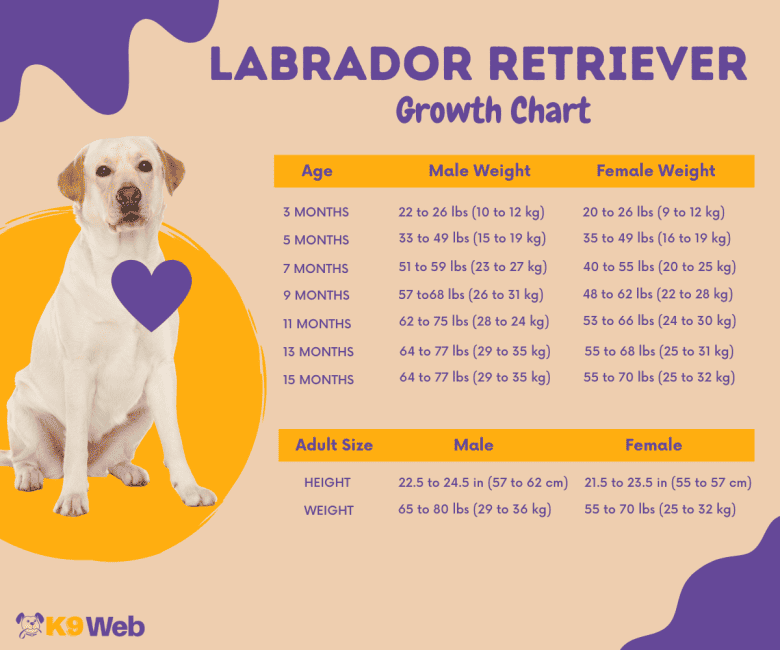
Labrador Retriever growth and maturity follows a predictable pattern, but every dog grows at a different pace. Genetics, diet, exercise, and health can change the timeline.
The main stages include puppy growth, adolescent development, young adult changes, and full maturity. Owners should watch body condition and behavior instead of focusing only on age.
- ✦ Puppy stage
Birth to around six months is a period of rapid growth, learning, and social development.
- ✦ Adolescent stage
Six months to two years includes body changes, energy shifts, and continued mental growth.
- ✦ Adult stage
Most Labradors become physically mature between 18 and 24 months.
How fast do Labrador Retrievers grow?
Labrador puppies grow very quickly during their first year. Their weight can increase many times from birth to adulthood, so balanced nutrition is important.
During Labrador Retriever growth and maturity, bones usually develop before the dog gains its final muscle shape. A young Lab may look tall and slim before filling out.

- ✦ First three months
Puppies focus on early growth, coordination, social skills, and basic training.
- ✦ Three to twelve months
Growth remains fast, and puppies need controlled exercise to protect developing joints.
- ✦ After twelve months
Many Labradors continue gaining muscle and adult features after reaching their height.
Physical changes during growth
A growing Labrador develops a wider chest, stronger legs, and a more adult body shape over time. Coat texture and facial features also become more mature.
- ✦ Body structure
Adult Labs develop a strong frame designed for activity and retrieving work.
When does a Labrador Retriever become fully mature?
Labrador Retriever growth and maturity includes both physical and mental development. A dog may look like an adult while still acting like a playful teenager.
Many Labradors reach adult height around 12 to 18 months. Mental maturity often takes longer, especially for energetic dogs that love play and exploration.

- ✦ Physical maturity
Most Labradors finish major body growth between 18 and 24 months.
- ✦ Mental maturity
Training and life experience help Labradors develop better focus and impulse control.
Factors that influence Labrador Retriever growth and maturity
Several factors affect Labrador Retriever growth and maturity. Responsible breeding, healthy food, and proper care all influence how a puppy develops.
Owners should avoid comparing puppies too closely because natural differences are common. A healthy Labrador can vary in size while still having a normal growth pattern.
- ✦ Genetics
Parents influence adult size, body structure, and growth speed.
- ✦ Nutrition
Balanced puppy food supports healthy bones, muscles, and weight control.
- ✦ Exercise
Age-appropriate activity builds strength without placing excess stress on growing joints.
Training and behavior changes during Labrador maturity
Behavior is a major part of Labrador Retriever growth and maturity. Young Labs often have high energy and need consistent guidance.
As Labradors mature, many become calmer and better at focusing. However, adult dogs still need play, training, and mental challenges.
- ✦ Early training
Positive training during puppyhood creates reliable habits.
- ✦ Adult behavior
Mature Labradors often show improved patience and self-control.
