
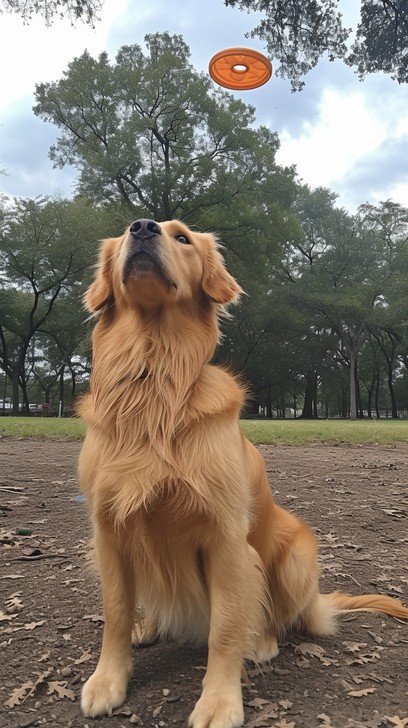
Golden Retriever attention focus and problem solving are key reasons this breed is popular with families, service groups, and working professionals across the United States. These dogs are eager to learn, enjoy human guidance, and often look for ways to complete tasks.
From my experience studying dog behavior, I have found that Golden Retrievers do not simply follow commands. They watch patterns, learn routines, and use past experiences to make choices. Their natural curiosity makes them excellent partners for structured training.
A Golden Retriever’s ability to focus depends on age, health, training style, and daily lifestyle. A young puppy may have a short attention span, while an adult dog with proper practice can show impressive concentration.

How Golden Retriever Attention Focus and Problem Solving Work
Golden Retriever attention focus and problem solving come from a mix of genetics, training, and their strong connection with people. These dogs were bred to work closely with humans, especially during hunting and retrieving tasks.
Their focus is often linked to motivation. A Golden Retriever may ignore a distraction when the reward is meaningful, such as praise, play, or a favorite treat. This makes reward-based training very effective.
- ✦ Human connection
Golden Retrievers naturally watch human behavior and often use body language, voice tone, and routines to understand what is expected.
- ✦ Task motivation
Many Golden Retrievers enjoy completing tasks because working with people gives them purpose and mental satisfaction.
- ✦ Learning through repetition
Regular practice helps a Golden Retriever remember commands and improve problem solving skills over time.
Why Golden Retrievers Pay Close Attention to Humans
Golden Retrievers are known for their social awareness. They often study their owner’s actions and respond to small signals such as hand movements or changes in voice.
This natural attention helps them succeed in obedience training, therapy work, and assistance roles.
- ✦ Social intelligence
They understand human communication well and enjoy cooperation.
Golden Retriever Intelligence and Learning Ability
Golden Retriever intelligence is often seen through their ability to learn commands, adapt to new situations, and remember previous experiences. They are not just fast learners; they are also willing learners.
A dog with strong intelligence still needs guidance. Without training, a smart Golden Retriever may create its own activities, which can include unwanted chewing or searching for attention.

- ✦ Fast command learning
Many Golden Retrievers learn new behaviors quickly when lessons are consistent and rewarding.
- ✦ Pattern recognition
They notice daily routines and can predict events like walks, meals, and training time.
- ✦ Adaptability
They can adjust to different homes, schedules, and environments with proper support.
Factors That Affect Golden Retriever Focus
Golden Retriever attention focus and problem solving can change from day to day. A dog that struggles to focus may not be stubborn. It may need better timing, more exercise, or fewer distractions.
Owners should look at the whole lifestyle of the dog. Sleep, nutrition, activity level, and emotional comfort all influence concentration.
- ✦ Age
Puppies have developing attention skills, while adult dogs usually show stronger focus with training.
- ✦ Environment
Noise, new places, and exciting smells can reduce focus during training sessions.
- ✦ Mental stimulation
Problem-solving activities help prevent boredom and improve concentration.
Signs Your Golden Retriever Is Losing Focus
Common signs include walking away during training, ignoring commands, searching for distractions, or becoming overly excited.
Shorter sessions with better rewards often help rebuild attention.
- ✦ Short attention periods
Reduce training time and increase success during each session.
Problem Solving Skills in Golden Retrievers
Golden Retriever problem solving appears when dogs must make choices instead of following direct commands. They may search for hidden toys, figure out puzzle feeders, or find new ways to reach a goal.
These skills grow when owners provide safe challenges. A dog that practices thinking becomes more confident and better at handling new situations.
- ✦ Puzzle toys
Interactive toys encourage dogs to think and use their senses to find rewards.
- ✦ Search games
Hide-and-seek games develop scent skills and independent thinking.
- ✦ Training challenges
Advanced commands encourage dogs to listen, remember, and make choices.
How Golden Retrievers Make Decisions
Golden Retrievers often combine memory, smell, observation, and past rewards when solving problems.
For example, a dog that learns where treats are stored may use location memory and routine awareness to predict future events.
- ✦ Memory-based learning
Dogs remember successful actions and repeat behaviors that produce rewards.
Training Methods to Improve Golden Retriever Attention Focus
The best way to improve Golden Retriever attention focus and problem solving is through short, positive, and consistent training. Long sessions can reduce interest, especially for younger dogs.
American dog owners often balance training with busy schedules. Even five to ten minutes of focused practice each day can create noticeable improvement.
- ✦ Use positive rewards
Reward correct actions with treats, praise, or play to build motivation.
- ✦ Remove distractions slowly
Start training in quiet areas before adding more challenging environments.
- ✦ Practice impulse control
Games like waiting for food or staying calm near distractions improve self-control.
Mental Exercises That Build Focus and Thinking Skills
Mental exercise is just as important as physical exercise for Golden Retrievers. A tired mind often creates a calmer and more focused dog.
Owners can use simple activities at home without expensive equipment. The goal is to encourage thinking, patience, and engagement.

- ✦ Find the toy
Hide a favorite toy and let your Golden Retriever use smell and memory to locate it.
- ✦ New commands
Teaching fresh skills keeps the brain active and improves communication.
- ✦ Food puzzles
Puzzle feeders slow eating and encourage problem solving.
