
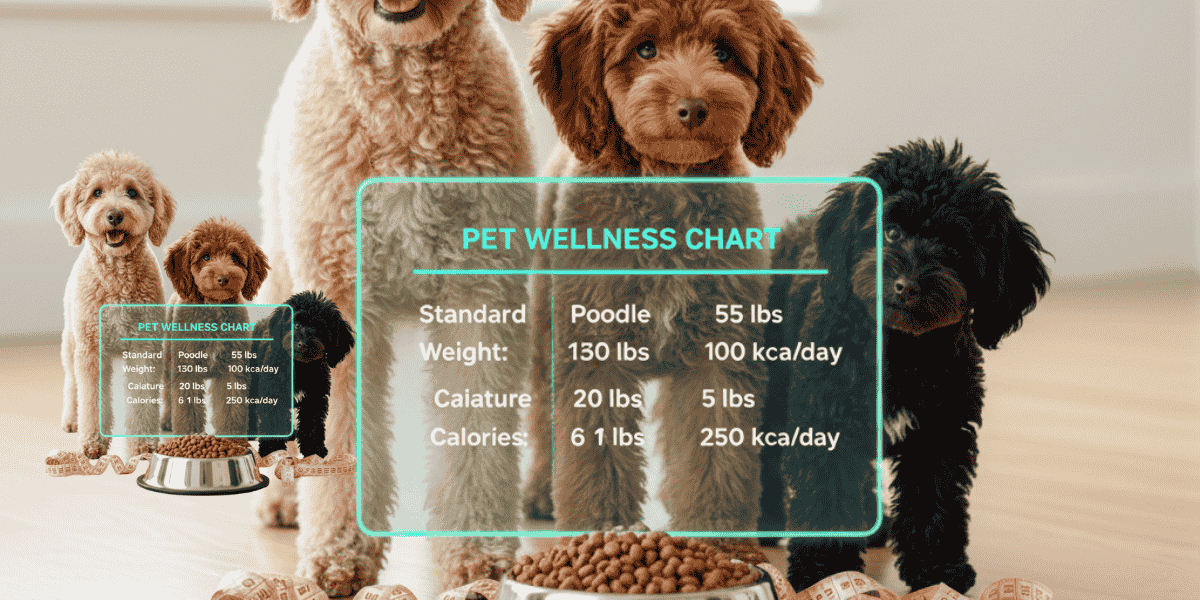
Poodle weight management and body condition are important parts of keeping a Poodle active, comfortable, and healthy throughout life. In the United States, many Poodle owners enjoy indoor lifestyles with their dogs, but limited activity and extra treats can slowly lead to weight problems.
From my experience studying dog care routines, the best results come from watching body shape, energy levels, and eating habits together. A scale number alone does not tell the full story because Toy, Miniature, and Standard Poodles all have different healthy ranges.
This guide explains how to understand Poodle body condition, maintain a healthy weight, adjust meals, and build habits that support long-term wellness.
Understanding Poodle weight management and body condition
Poodle weight management and body condition means keeping your dog at a healthy level of body fat and muscle. The goal is not simply to make a Poodle lighter. The goal is to support strong bones, healthy movement, and good daily energy.
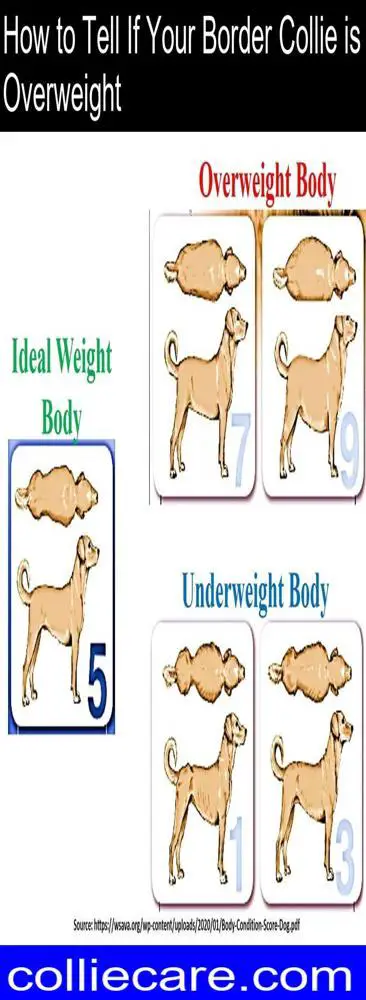
A healthy Poodle should have a visible waist when viewed from above. You should also be able to feel the ribs with gentle pressure without seeing sharp bones.
- ✦ Healthy body shape
A properly conditioned Poodle has a defined waist, a slight abdominal tuck, and ribs that are easy to feel.
- ✦ Weight is individual
Two Poodles of the same breed may need different calories because age, activity, and metabolism affect weight.
Why body condition matters more than weight alone
A number on a scale does not show muscle quality or fat distribution. A strong, active Poodle may weigh more than another dog of the same size but still have an ideal body condition.
Body condition scoring helps owners make better feeding decisions because it focuses on how the dog looks and feels.
- ✦ Use regular checks
Touch your Poodle’s ribs, view the waist, and monitor changes every few weeks.
Healthy weight ranges for Toy, Miniature, and Standard Poodles
Poodle weight management and body condition changes depending on the variety of Poodle. Toy Poodles are much smaller than Standard Poodles, so their calorie needs and ideal weight are very different.
Owners should use breed guidelines as a starting point and then adjust based on their dog’s body condition, activity, and veterinary advice.

- ✦ Toy Poodles
Toy Poodles usually have smaller frames and need careful portion control because small weight changes can affect their body condition quickly.
- ✦ Miniature Poodles
Miniature Poodles need balanced meals and regular exercise to maintain lean muscle.
- ✦ Standard Poodles
Standard Poodles require enough nutrition for their larger bodies while avoiding excess calories.
Factors that change ideal weight
Age, activity level, metabolism, and health history all influence the ideal weight of a Poodle. A young active dog may need more calories than a senior Poodle with a slower lifestyle.
- ✦ Age changes needs
Puppies, adults, and senior Poodles often need different feeding plans.
How to check your Poodle’s body condition at home
A simple home check can help you track Poodle weight management and body condition between veterinary visits. The check takes only a few minutes and can become part of your normal grooming routine.
Look at your Poodle from the side and above. Feel the ribs, spine, and hips gently to understand whether your dog is carrying the right amount of body fat.
- ✦ Feel the ribs
Ribs should be easy to feel under a thin layer of fat.
- ✦ Check the waist
A healthy Poodle should have a visible waist behind the rib cage.
Signs of unhealthy weight gain
Extra weight may appear as a missing waist, difficulty jumping, lower energy, or heavy breathing during normal activity.
- ✦ Reduced movement
Overweight Poodles may avoid walks or play because extra weight makes movement harder.
Common causes of Poodle weight problems
Many Poodle weight problems come from small daily habits rather than one major mistake. Extra treats, large portions, and reduced activity can slowly change body condition.
Understanding these causes makes Poodle weight management and body condition easier because owners can make simple adjustments early.

- ✦ Overfeeding
Serving more food than your Poodle needs can create gradual weight gain.
- ✦ Too many treats
Training treats and table scraps can add hidden calories.
- ✦ Low activity
Less exercise reduces calorie use and may increase fat storage.
Building a healthy feeding plan for Poodle weight control
A good feeding plan supports Poodle weight management and body condition by providing enough nutrients without excess calories. Portion size should match your dog’s size, age, and daily activity.
Many owners improve results by measuring meals instead of guessing. Small changes in food amounts can make a big difference over time.

- ✦ Measure meals
Use a measuring cup or kitchen scale to provide consistent portions.
- ✦ Choose quality food
Select dog food that provides balanced protein, fats, vitamins, and minerals.
- ✦ Manage treats
Keep treats small and include them in the daily calorie plan.
Adjusting calories safely
Weight changes should happen slowly. Sudden food cuts can create stress and may reduce important nutrients.
If your Poodle needs weight loss, gradual portion adjustments combined with activity usually create better results.
Exercise and lifestyle habits for maintaining ideal body condition
Exercise plays a major role in Poodle weight management and body condition. Poodles are intelligent and active dogs that benefit from both physical movement and mental challenges.
Daily walks, play sessions, training games, and safe outdoor activities help maintain muscle and prevent unhealthy weight gain.

- ✦ Daily walks
Regular walks support heart health, muscle strength, and calorie balance.
- ✦ Mental activities
Puzzle toys and training reduce boredom eating and keep the mind active.
Matching exercise to age
Puppies need controlled activity, adults often enjoy longer exercise, and senior Poodles may need gentle movement to protect joints.
