
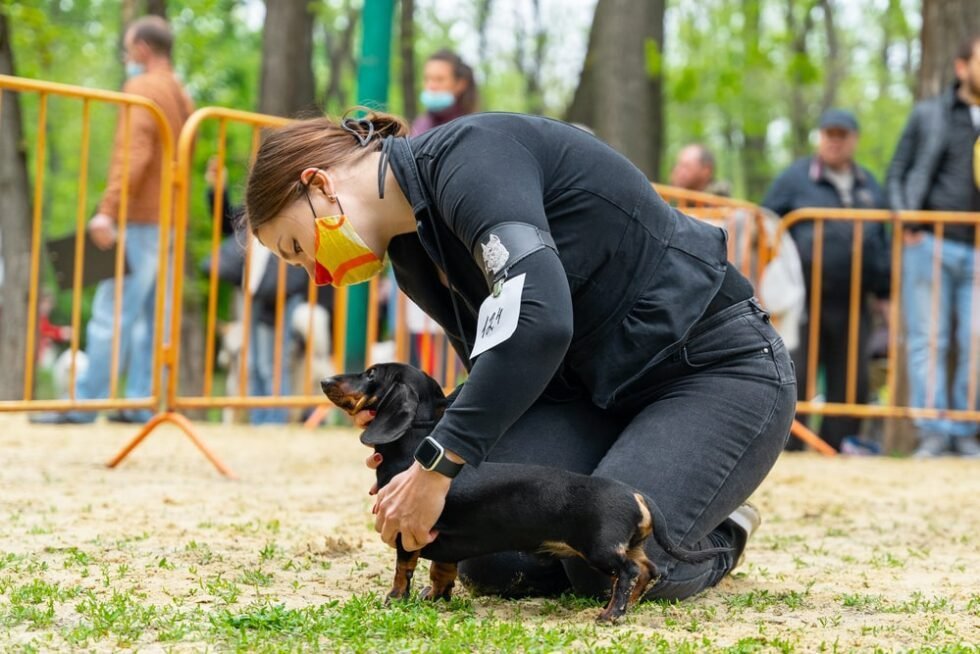
Dachshund trainability and obedience can surprise many first-time owners. These small dogs have sharp minds, strong instincts, and a natural desire to explore. They may not always obey instantly, but they can learn many commands when training matches their personality.
From working with Dachshund owners, one lesson stands out: success comes from building trust before demanding obedience. A Dachshund that feels connected to its owner usually responds better to training than one that only receives corrections.

Understanding Dachshund trainability and obedience
Dachshund trainability and obedience are influenced by their history as hunting dogs. They were bred to track and chase animals underground, which created confidence, independence, and problem-solving skills.
Their independent nature can look like stubbornness. In reality, many Dachshunds understand what you ask but choose whether the reward is worth following the command.
- ✦ High intelligence
Dachshunds can learn commands, routines, and problem-solving tasks when training stays engaging.
- ✦ Independent personality
Their hunting background means they often think for themselves instead of blindly following instructions.
- ✦ Strong motivation
Food rewards, praise, and play can greatly improve their willingness to cooperate.
Are Dachshunds easy to train?
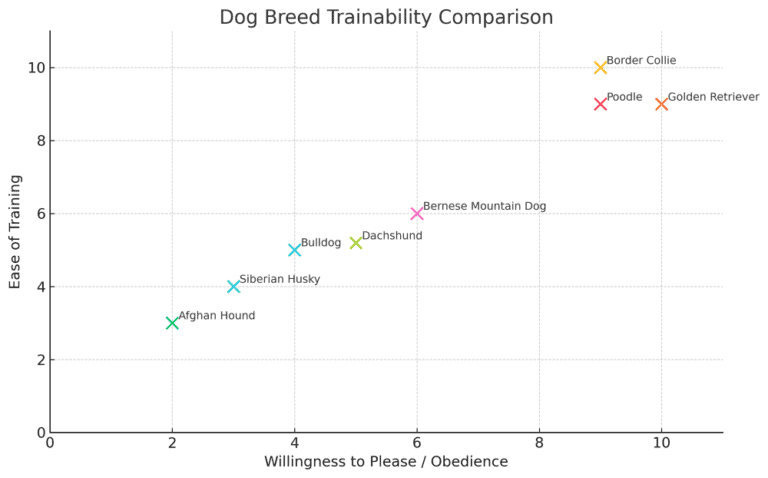
Dachshunds are not usually considered the easiest breed to train, but they are far from impossible. Their learning ability is strong when owners use the right approach.
Many training problems happen because owners expect quick results. Dachshunds often need repeated practice before a behavior becomes a habit.
- ✦ Training difficulty
They may require more patience than breeds that naturally focus on human commands.
Key factors that affect Dachshund obedience
Dachshund obedience depends on several factors, including age, personality, environment, and training style. A young Dachshund puppy often learns faster because habits are still developing.
A calm home routine and clear expectations help Dachshunds understand what behaviors owners want. Mixed signals can make training much harder.
- ✦ Early socialization
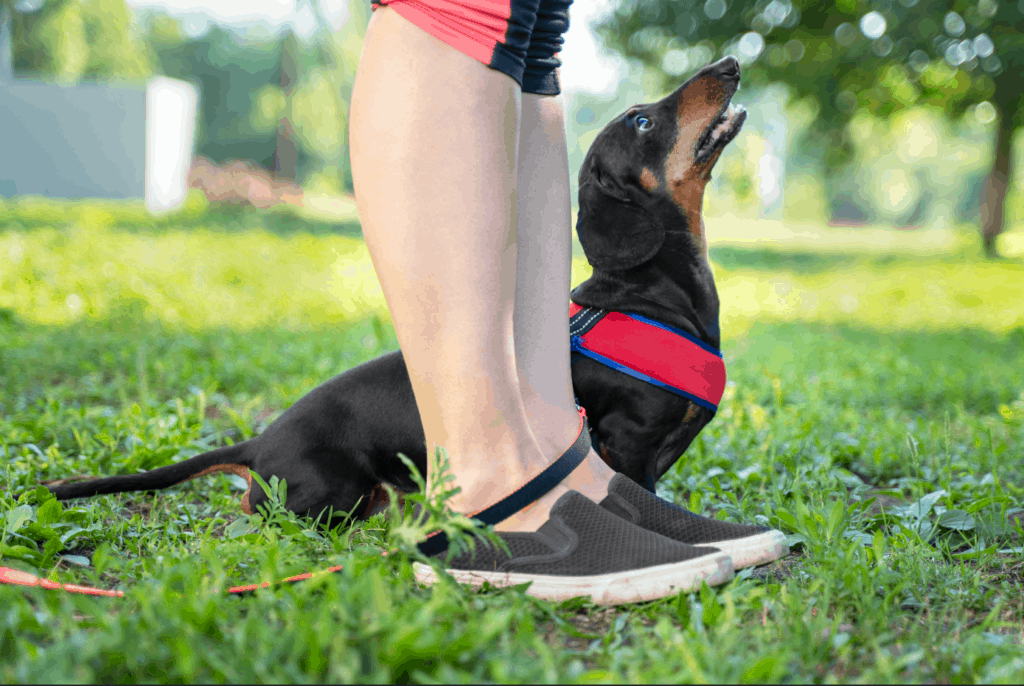
Introducing puppies to people, sounds, and places helps prevent fear and improves confidence.
- ✦ Consistent rules
Everyone in the household should follow the same training rules.
- ✦ Daily practice
Regular short sessions create stronger habits than occasional long sessions.
The role of a Dachshund owner’s approach
Owners play a major role in Dachshund trainability and obedience. Dogs respond best when training feels like teamwork rather than punishment.
A patient owner who rewards good choices will usually see better results than someone who uses harsh methods.
- ✦ Positive relationship
Trust and communication create a stronger foundation for obedience.
Best training methods for a Dachshund
The most effective training methods for Dachshunds focus on rewards, repetition, and clear communication. Positive reinforcement helps them understand that good behavior brings benefits.
Short sessions of five to ten minutes often work better than long lessons because Dachshunds can lose interest quickly.

- ✦ Reward-based training
Use treats, praise, or play to encourage behaviors you want to repeat.
- ✦ Clicker training
A clicker can help mark the exact moment your Dachshund performs the correct action.
- ✦ Command repetition
Practice the same command in different locations to improve reliability.
Commands every Dachshund should learn
Basic obedience commands help keep Dachshunds safe and manageable in daily life. Commands like sit, stay, come, and leave it are especially useful during walks and family activities.
- ✦ Recall command
Teaching your Dachshund to come when called is important because of their curiosity and hunting instincts.
- ✦ Stay command
A strong stay command helps with safety around roads, guests, and other pets.
Common Dachshund training challenges and solutions
Dachshunds often have a few common training challenges. Understanding these issues helps owners create realistic expectations and better solutions.
Most challenges improve with routine, patience, and proper motivation.
- ✦ House training difficulties
Some Dachshunds take longer to become fully house trained, so regular schedules and supervision are important.
- ✦ Barking behavior
Training can reduce excessive barking by teaching alternative behaviors and rewarding calm moments.
- ✦ Selective listening
Making training rewarding helps Dachshunds choose obedience more often.
Why punishment usually fails
Harsh punishment can damage trust and may increase fear or anxiety. Dachshunds respond better when they understand what behavior earns rewards.
Clear boundaries combined with positive reinforcement create more lasting obedience.
- ✦ Build confidence
Confident Dachshunds are usually more willing to learn and cooperate.
Training Dachshund puppies for lifelong obedience
Puppy training creates the foundation for adult Dachshund behavior. Starting early helps prevent unwanted habits from becoming permanent.
Puppies should learn basic manners through gentle practice, social experiences, and daily routines.

- ✦ Start early
Begin simple training as soon as your Dachshund puppy comes home.
- ✦ Use structure
Regular feeding, walking, and training schedules make expectations easier to understand.
Training adult Dachshunds
Adult Dachshunds can still learn new behaviors. Older dogs may need more repetition, but they can improve with consistent training.
Patience is important because adult dogs may already have established habits.
- ✦ New skills
Adult Dachshunds can learn obedience commands, tricks, and better manners.
