
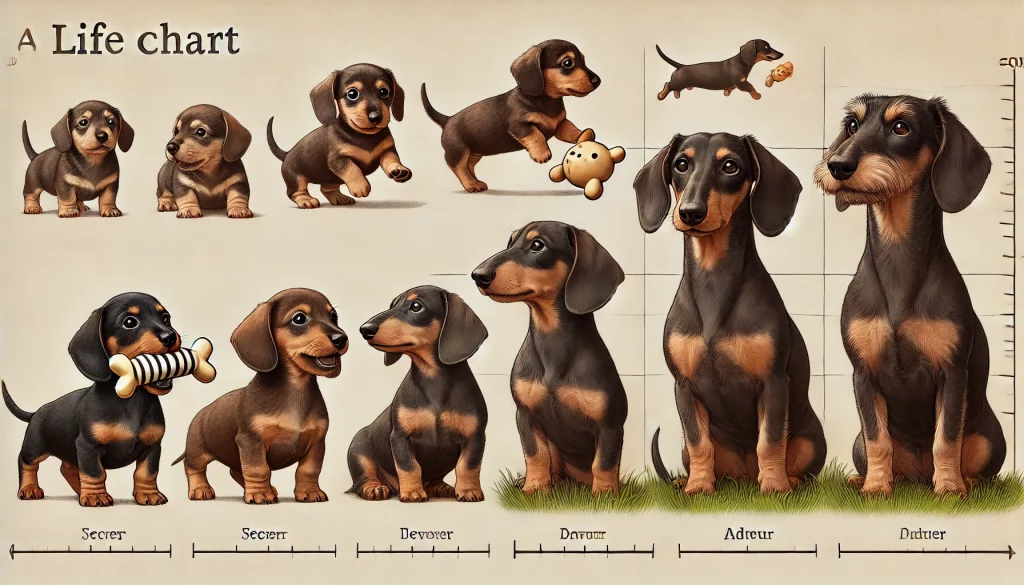
Dachshund adolescent development and behavior usually begins around six months of age and can continue until the dog reaches full social maturity. During this stage, many owners notice sudden changes. A puppy that once followed every command may start testing limits, ignoring cues, or showing stronger opinions.
From working with Dachshund owners, one lesson stands out: teenage behavior is not a sign of a bad dog. It is a normal stage where habits become stronger. The goal is to guide your Dachshund through this period with clear rules, rewards, and daily routines.
Understanding the Adolescent Stage in Dachshunds
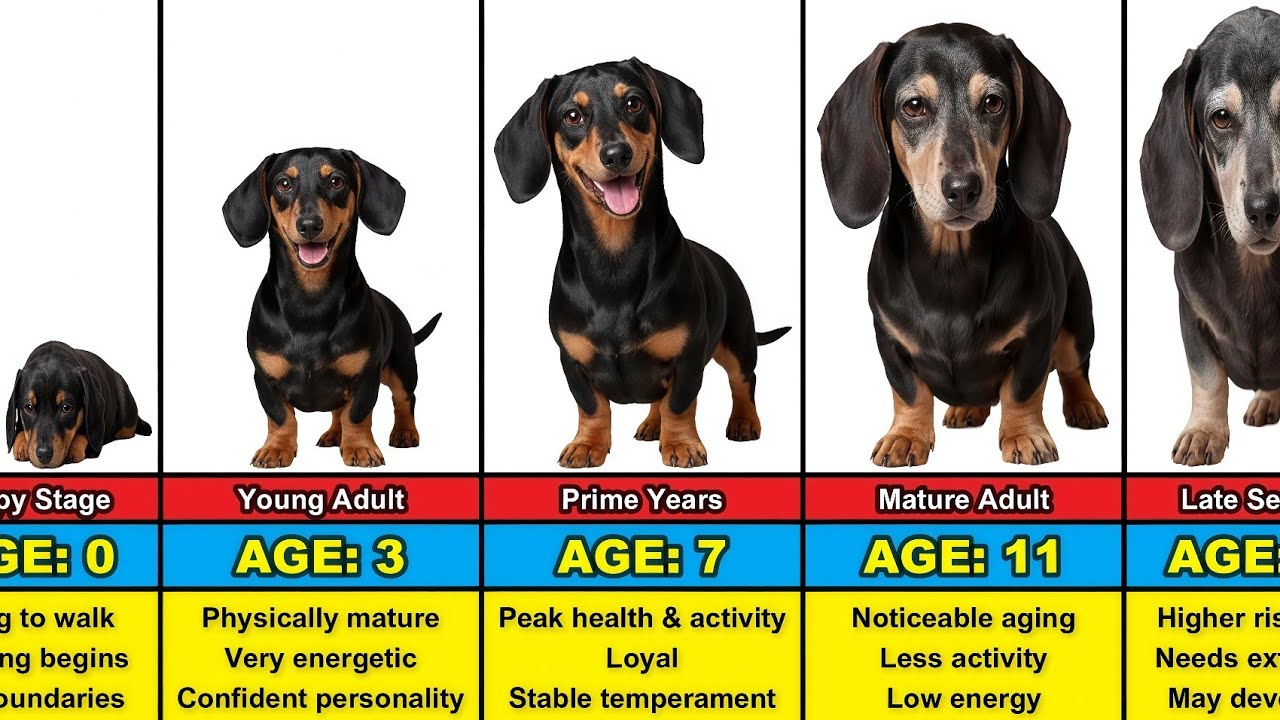
Dachshund adolescent development and behavior is a bridge between puppy life and adulthood. Most Dachshunds enter this stage between six and twelve months, although every dog develops at a different pace.
During adolescence, your Dachshund may grow physically while still acting immature. Their body becomes stronger, but their ability to control excitement and emotions is still developing.
- ✦ Early adolescence
This stage often includes increased curiosity, energy, and a desire to explore the environment.
- ✦ Middle adolescence
Many Dachshunds begin testing boundaries and may show more independence during training.
- ✦ Late adolescence
The dog slowly becomes more emotionally stable and develops stronger adult habits.
Physical growth changes
A teenage Dachshund may reach most of its adult size before reaching full emotional maturity. Their muscles, coordination, and energy levels continue to change during this period.
- ✦ Body awareness
Young Dachshunds learn how to control their growing bodies during play, walks, and daily activities.
Common Behavior Changes During Dachshund Adolescence
Dachshund adolescent development and behavior often includes noticeable personality changes. Owners may see more barking, digging, stubborn moments, or selective listening.
These behaviors are usually linked to curiosity, confidence building, and learning independence. A calm response from the owner helps prevent temporary habits from becoming permanent problems.

- ✦ Increased independence
Your Dachshund may act like they know what they want and may challenge old routines.
- ✦ More vocal behavior
Many adolescent Dachshunds become louder because barking is part of their alert and hunting background.
- ✦ Boundary testing
Teenage Dachshunds often repeat behaviors to discover which actions receive attention.
Why teenage Dachshunds seem stubborn
Dachshunds were bred to think independently while hunting. Their problem-solving nature can look like stubbornness when they choose their own response instead of following a command.
- ✦ Use motivation
Reward-based training works well because Dachshunds respond strongly to food, play, and praise.
Training a Dachshund During the Teenage Phase
Training during Dachshund adolescent development and behavior requires consistency. Many owners make the mistake of reducing training once the puppy stage ends, but adolescence is when good habits need the most support.
Short training sessions work better than long lessons. Dachshunds often learn quickly when exercises are fun and rewarding.

- ✦ Practice basic commands
Continue reinforcing sit, stay, recall, and leash manners throughout adolescence.
- ✦ Avoid harsh corrections
Fear-based methods can damage trust and may increase stress-related behaviors.
- ✦ Create daily structure
Regular feeding, exercise, and training times help teenage Dachshunds feel secure.
Handling recall problems
Recall can become difficult when adolescent Dachshunds discover exciting smells and distractions. Practice in safe areas and reward your dog every time they return.
- ✦ Build trust
Make coming back to you a positive experience instead of a punishment.
Socialization and Confidence Building in Adolescent Dachshunds
Socialization remains important during Dachshund adolescent development and behavior. A teenage dog may become cautious about new people, sounds, places, or animals if they do not receive positive experiences.
Good socialization does not mean forcing your Dachshund to greet everyone. It means helping your dog feel safe while learning about the world.

- ✦ Introduce new experiences slowly
Allow your Dachshund to explore new environments at a comfortable pace.
- ✦ Reward calm behavior
Praise your dog when they remain relaxed around new situations.
Preventing fear and reactivity
Some adolescent Dachshunds become more protective of their homes or owners. Early positive experiences can reduce unwanted reactions.
- ✦ Stay patient
Confidence grows through repeated safe experiences.
Exercise and Mental Needs of Teenage Dachshunds
Dachshund adolescent development and behavior is strongly affected by exercise and mental stimulation. A bored Dachshund may create their own entertainment through digging, barking, or chewing.
Because Dachshunds have long backs and short legs, exercise should focus on safe movement rather than extreme activities.

- ✦ Daily walks
Regular walks help burn energy and provide important mental enrichment.
- ✦ Puzzle activities
Food puzzles and scent games satisfy their natural hunting instincts.
- ✦ Controlled play
Avoid repeated high jumps that may place stress on their backs.
Mental stimulation ideas
Simple games such as hide-and-seek, scent tracking, and training challenges can keep an adolescent Dachshund focused and happy.
- ✦ Use their instincts
Dachshunds enjoy activities that allow them to search, sniff, and solve problems.
Managing Challenging Adolescent Dachshund Behaviors
Many owners search for answers because their adolescent Dachshund suddenly develops habits like barking at visitors, pulling on the leash, or ignoring commands. These behaviors need guidance, not frustration.
Dachshund adolescent development and behavior improves when owners focus on prevention, training, and understanding the reason behind each action.

- ✦ Barking
Teach a quiet cue and reward calm moments instead of only reacting when barking starts.
- ✦ Digging
Provide acceptable digging options and increase mental activities.
- ✦ Resource guarding
Use positive training methods to build trust around food and toys.
When professional help is useful
A professional trainer can help when behavior becomes intense, unsafe, or difficult to manage. Early support often prevents small issues from growing.
- ✦ Seek guidance
Choose a trainer who uses modern, reward-based methods.
