
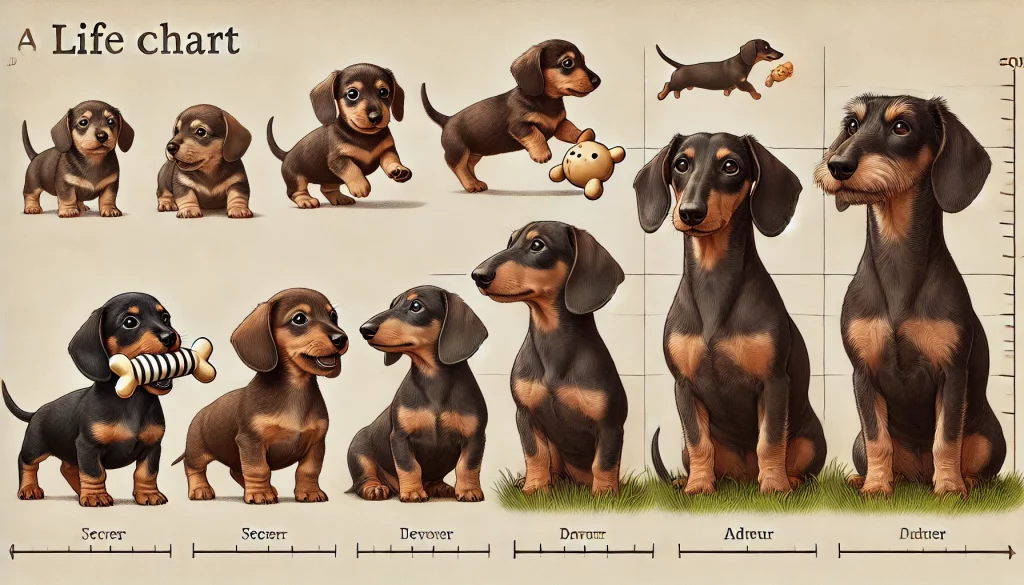
Dachshund adult development and maturity is a gradual process that involves more than reaching a certain weight. Many owners notice that their Dachshund looks grown before the dog truly acts like an adult. Personality, confidence, focus, and emotional control continue to improve after the puppy stage.
From working with dog owners and studying breed behavior, one common lesson is that adult Dachshunds still need guidance and mental activity. Their hunting background gives them curiosity, independence, and strong instincts that remain throughout life.

When Does a Dachshund Become an Adult?
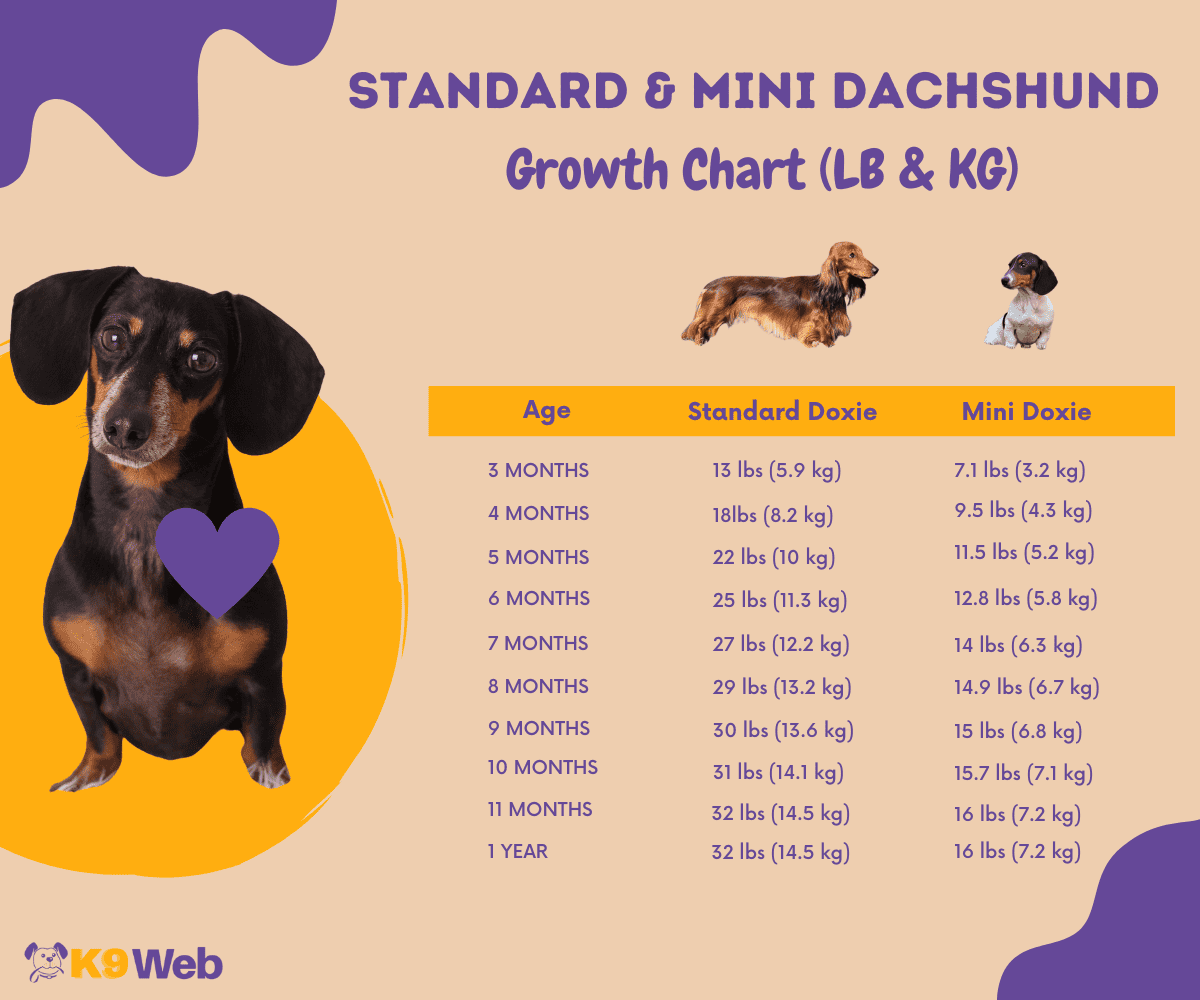
Dachshund adult development and maturity usually begins after the rapid puppy growth period ends. Most Dachshunds reach their adult height between 8 and 12 months, although some continue filling out until 18 months.
Small body size does not always mean early maturity. A Dachshund may have an adult body but still show teenage behaviors like testing limits, high energy, or stubborn responses.
- ✦ Physical maturity
Most Dachshunds reach their adult frame within the first year of life.
- ✦ Mental maturity
Emotional control and confidence often develop slowly over the second year.
Miniature and Standard Dachshund maturity differences
Miniature Dachshunds often appear mature earlier because of their smaller bodies. Standard Dachshunds may take longer to develop muscle and body strength.
- ✦ Miniature Dachshunds
They usually mature at a smaller size but still need adult-level training and care.
- ✦ Standard Dachshunds
They may continue physical development longer because of their larger structure.
Physical Changes During Adult Dachshund Development
Dachshund adult development and maturity includes noticeable physical changes. Puppies often have a softer body shape, while adults develop stronger muscles, a deeper chest, and a more defined appearance.
Adult Dachshunds should maintain a lean body because extra weight can increase stress on their long spine. Regular weight checks are an important part of responsible ownership.

- ✦ Body structure
The chest becomes deeper and muscles become more developed as the dog matures.
- ✦ Weight control
Keeping a healthy weight supports mobility and reduces strain on joints and the back.
Behavior Changes as Dachshunds Reach Maturity
Adult Dachshund behavior often becomes more predictable. Many owners notice that their dog becomes calmer, more focused, and better at following routines.
However, Dachshund adult development and maturity does not remove natural breed traits. Adults may still bark, dig, chase, and show strong opinions because these behaviors come from their hunting history.

- ✦ Increased confidence
Mature Dachshunds often become more comfortable with people, places, and daily routines.
- ✦ Strong personality
Adults remain intelligent and independent, so consistent training is still important.
Training an adult Dachshund
Adult Dachshunds can learn new skills at any age. Short training sessions with rewards usually work better than harsh methods because this breed responds well to trust and motivation.
- ✦ Use positive reinforcement
Reward-based training builds cooperation and strengthens the bond between owner and dog.
Nutrition Needs of a Mature Dachshund
As Dachshunds become adults, their calorie needs usually decrease compared with growing puppies. Feeding too much can lead to weight gain, which is a major concern for a long-backed breed.
Dachshund adult development and maturity requires balanced food with proper protein, healthy fats, and nutrients that support muscles and joints.
- ✦ Adult diet
Choose food designed for adult dogs and adjust portions based on activity level.
- ✦ Treat management
Keep treats limited because small dogs can gain weight quickly.
Exercise and Mental Stimulation for Adult Dachshunds
Adult Dachshunds need daily activity to stay healthy and mentally satisfied. Walks, scent games, puzzle toys, and training exercises help use their natural hunting instincts.
Dachshund adult development and maturity is supported by a balanced routine. Too little activity can lead to boredom, barking, digging, or unwanted habits.

- ✦ Daily walks
Regular walks help maintain healthy weight and provide important mental enrichment.
- ✦ Brain games
Problem-solving activities keep intelligent Dachshunds engaged.
Health Care During Adult Dachshund Years
Adult Dachshunds need regular veterinary care even when they appear healthy. Routine exams can help identify dental issues, weight problems, and mobility concerns early.
A major part of Dachshund adult development and maturity is protecting the spine. Owners should avoid repeated high jumps and support safe movement.

- ✦ Back protection
Use ramps or steps when possible and avoid activities that create heavy spinal impact.
- ✦ Preventive care
Regular checkups, dental care, and healthy habits support long-term wellness.
