

dachshunds are small dogs with big personalities and strong food interest. Many owners in the United States notice that their Dachshund will happily work for treats, beg for extra bites, or search for dropped food. This makes nutrition and food motivation important parts of daily care.
Good Dachshund feeding nutrition and food motivation is not only about choosing a quality dog food. It also includes meal timing, portion size, healthy rewards, and understanding your dog’s natural behaviors. A thoughtful feeding plan can support a healthy body and a happy mind.
Over the years, experienced Dachshund owners often learn that these dogs respond well to routine. A clear feeding schedule and positive food habits can make training easier while helping prevent common issues linked to weight gain.

Understanding Dachshund feeding nutrition and food motivation
Dachshund feeding nutrition and food motivation combines two important areas of care. Nutrition focuses on giving your dog the right nutrients, while food motivation focuses on how your dog responds to food as a reward or learning tool.
Dachshunds were bred as hunting dogs, so they often have a strong drive to search, chase, and work for rewards. Food can become a powerful tool when used correctly. The goal is not to give endless treats but to create healthy habits around eating.
- ✦ Nutrition foundation
A Dachshund diet should include quality protein, healthy fats, vitamins, minerals, and proper calories for their age and activity level.
- ✦ Food motivation
Food rewards can improve training, focus, and mental stimulation when owners use small portions.
- ✦ Healthy balance
The best feeding approach supports both physical health and positive behavior.
Why Dachshunds are highly motivated by food
Many Dachshunds love food because they are naturally curious and persistent. They often enjoy activities that involve searching and problem-solving, which makes food puzzles and training games effective.
Owners should guide this motivation instead of allowing constant snacking. A food-loving Dachshund can learn quickly when rewards are controlled.
- ✦ Training advantage
Small food rewards can encourage obedience and build confidence during training sessions.
Choosing the right diet for Dachshund health
The right Dachshund diet depends on age, size, activity level, and health needs. Puppies need nutrients for growth, adults need balanced maintenance, and seniors may need diets that support joints and mobility.
A high-quality commercial dog food that meets recognized nutritional standards can work well for many Dachshunds. Some owners also choose fresh or homemade diets, but these should be carefully planned to avoid missing important nutrients.

- ✦ Protein needs
Protein supports muscle health and helps active Dachshunds maintain strength.
- ✦ Healthy fats
Fats provide energy and support skin, coat, and brain function.
- ✦ Controlled calories
Dachshunds need careful calorie management because extra weight can put stress on their long backs.
Important nutrients for Dachshunds
A complete Dachshund feeding nutrition and food motivation plan should include nutrients that support muscles, bones, digestion, and overall wellness. Fiber can support digestion, while balanced minerals help maintain strong bones.
Owners should check ingredient labels and discuss diet changes with a veterinarian, especially if their Dachshund has allergies or medical concerns.
- ✦ Omega fatty acids
These nutrients may support healthy skin and a shiny coat.
How much should you feed a Dachshund each day?
Portion control is one of the most important parts of Dachshund feeding nutrition and food motivation. Even a few extra treats each day can add up because Dachshunds have small bodies.
The correct amount depends on your dog’s weight, age, metabolism, and activity level. Feeding guides on dog food packages provide a starting point, but owners should adjust based on body condition.

- ✦ Measure meals
Use a measuring cup instead of guessing portions to prevent accidental overfeeding.
- ✦ Watch body shape
A healthy Dachshund should have a visible waist and ribs that can be felt without heavy pressure.
- ✦ Count treats
Treat calories should be included as part of the daily food amount.
Creating a reliable feeding schedule
Most Dachshunds do well with consistent meal times. A routine can reduce begging behavior and help dogs understand when food is available.
Many American households find that two scheduled meals per day work well for adult Dachshunds, while puppies may need more frequent meals.
- ✦ Morning and evening meals
Regular meal timing creates structure and supports healthy habits.
Using food motivation for training and mental stimulation
Food motivation is one of the most useful tools for Dachshund training. These intelligent dogs can sometimes be independent, but the right reward can improve focus and cooperation.
The key is to use tiny treats and reward good choices. Food should encourage learning rather than become a reason for unhealthy eating.

- ✦ Use small rewards
Small pieces of treats provide motivation without adding too many calories.
- ✦ Reward behaviors
Give food rewards when your Dachshund follows commands or shows calm behavior.
- ✦ Add puzzle feeding
Interactive feeders can make meals more engaging and mentally challenging.
Common food motivation mistakes
Giving too many treats is a common mistake among Dachshund owners. Because these dogs are persuasive, it is easy to reward begging without noticing the habit forming.
Another mistake is using food without combining it with praise, play, and other rewards. A balanced approach creates stronger behavior.
- ✦ Avoid free feeding
Leaving food available all day can make portion control harder.
Healthy treats and foods for Dachshund rewards
Choosing healthy rewards is an important part of Dachshund feeding nutrition and food motivation. Treats should add value without replacing balanced meals.
Many owners use small pieces of training treats, vegetables approved by veterinarians, or pieces of their dog’s regular food as rewards.
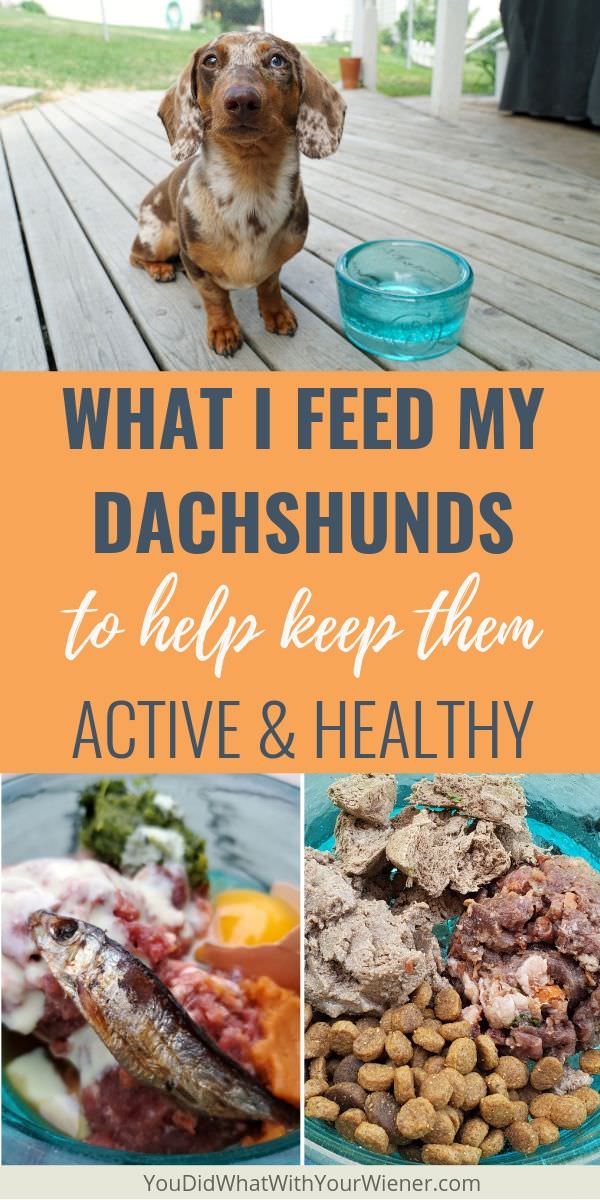
- ✦ Training treats
Choose small, low-calorie treats made for dogs.
- ✦ Fresh options
Some dog-safe fruits and vegetables may be offered in moderation.
- ✦ Avoid harmful foods
Never give foods known to be toxic to dogs, such as chocolate, grapes, or onions.
Making meals more interesting
Some Dachshunds eat too quickly because they are excited about food. Slow feeders and enrichment toys can help turn meals into a calmer activity.
A better eating experience can improve digestion and provide mental exercise.
- ✦ Slow feeding tools
These products encourage slower eating and natural problem-solving.
