
Good filtration keeps water clear and stable, removing waste and supporting fish health.
I’ve kept tanks for years and taught new hobbyists how aquarium filtration basics work. This guide breaks those basics down into clear steps, simple rules, and real tips I use in my own tanks. You’ll learn what each filter type does, how to choose one, how to set it up, and how to keep it running so your fish thrive.
:strip_icc()/goldfish--carassius-auratus--swimming-in-large-rectangular-fish-tank--73506453-5c43a338c9e77c0001fb757a.jpg)
Why filtration matters
Filtration is the backbone of any healthy tank. Aquarium filtration basics control waste, toxins, and water clarity. Good filtration reduces stress and disease in fish. I’ve seen tanks recover fast once the filter was correct and maintained.
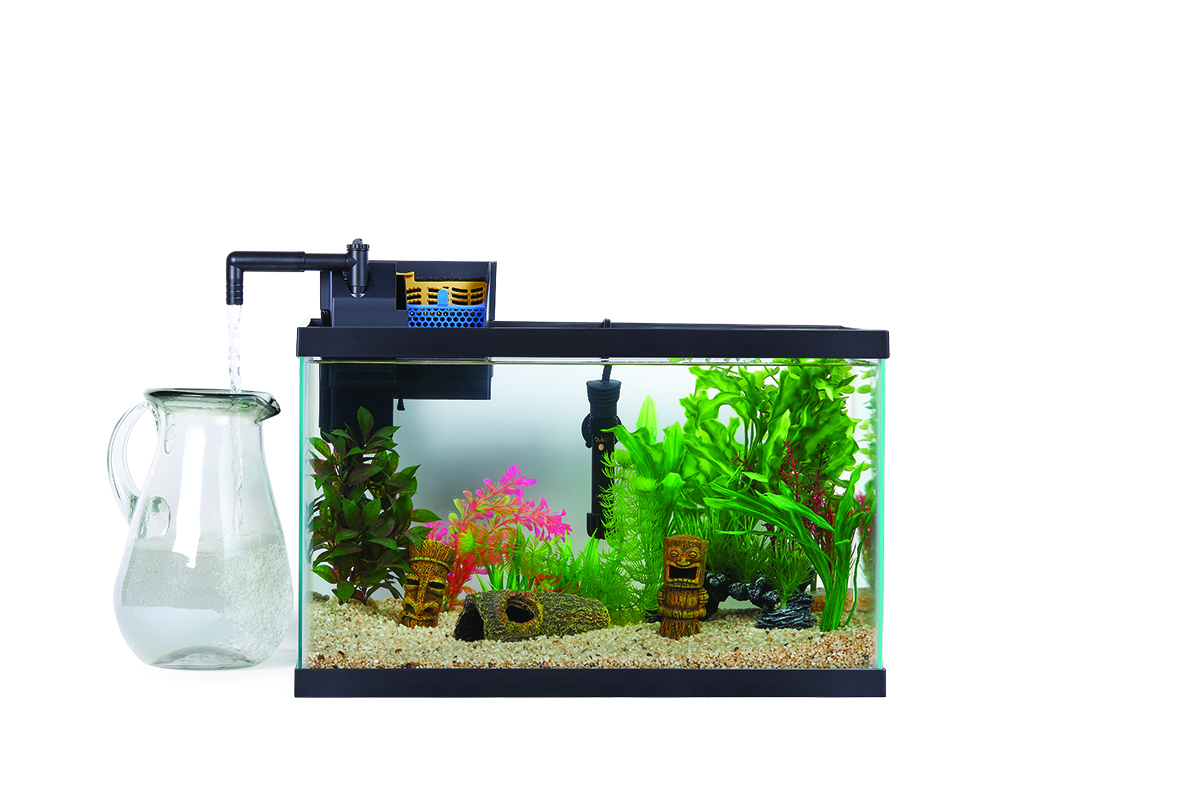
The three core types of filtration
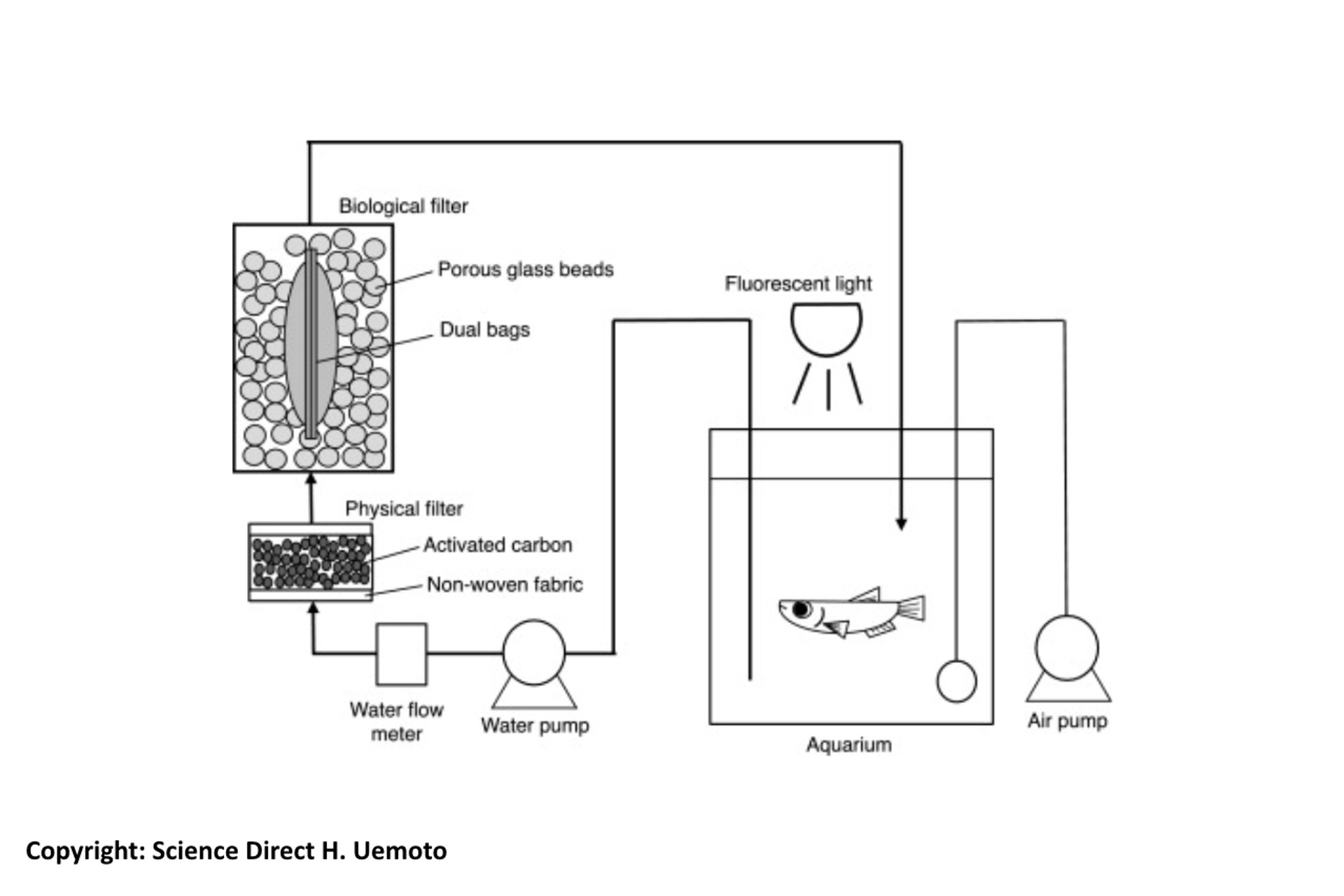
Understanding the three filters helps you pick and tune a system. These aquarium filtration basics are mechanical, biological, and chemical.
Mechanical filtration
Mechanical filtration traps particles. It removes leftover food, plant debris, and poop. A clogged mechanical filter hurts flow and lets waste build up.
Biological filtration
Biological filtration uses beneficial bacteria to break down ammonia and nitrite. This is the real life-saver in aquarium filtration basics. Good bio media and time are needed for bacteria to grow.
Chemical filtration
Chemical filtration uses media like activated carbon or zeolites. It removes odors, discoloration, and some dissolved compounds. Use chemical media when needed, not as a daily crutch.
How to choose the right filter
Choosing a filter means matching the filter to your tank and goals. Follow these aquarium filtration basics when deciding.
- Tank size and flow: Pick a filter rated for your tank gallons. Strong flow is good for many fish but harmful for some.
- Bioload: Heavily stocked tanks need larger filters and more bio media.
- Fish and plants: Some fish want low flow. Live plants help filter the water too.
- Maintenance needs: Canister filters need less frequent cleaning. Hang-on-back filters are easy to access.
- Budget and footprint: Filters range from low-cost to premium. Think about space and noise.

Setting up filtration correctly
A correct setup makes aquarium filtration basics work from day one. Follow these steps.
- Install the filter per the maker’s instructions. Make sure seals and hoses fit tight.
- Add media in order: mechanical first, then biological, and chemical last if used.
- Prime the filter and start flow. Watch for leaks and unusual noises.
- Cycle the tank before adding many fish. Let bacteria build on bio media for weeks.
I once rushed and added many fish before cycling. Ammonia spiked and I lost a few. Take time to cycle.
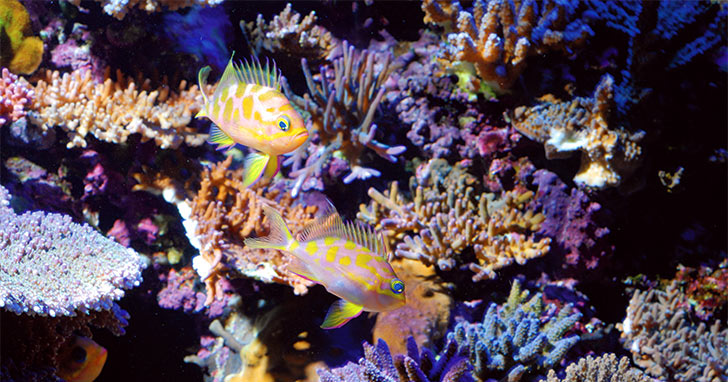
Maintenance routine and troubleshooting
Routine care keeps aquarium filtration basics working well. Keep tasks short and regular.
- Weekly: Test water for ammonia, nitrite, nitrate, and pH. Remove debris with a siphon.
- Every 2–4 weeks: Rinse mechanical media in tank water only. Replace carbon monthly if used.
- Every 3–6 months: Inspect impellers and hoses. Replace worn parts.
- If flow drops: Check for clogged sponge, clogged intake, or a failing pump.
- If ammonia rises: Do a partial water change and check biological media for damage.
My tip: always rinse media in old tank water, not tap water. Tap water kills bacteria.

Common mistakes and how to avoid them
Avoid these frequent errors so aquarium filtration basics do their job.
- Overcleaning bio media: Rinsing in tap water kills bacteria. Use tank water only.
- Under-filtering: Small filters for big tanks lead to poor water quality.
- Ignoring flow needs: Wrong flow stresses fish and reduces gas exchange.
- Relying on chemical media too much: It masks problems instead of solving them.
- Skipping tests: You can’t see ammonia or nitrite. Test often.
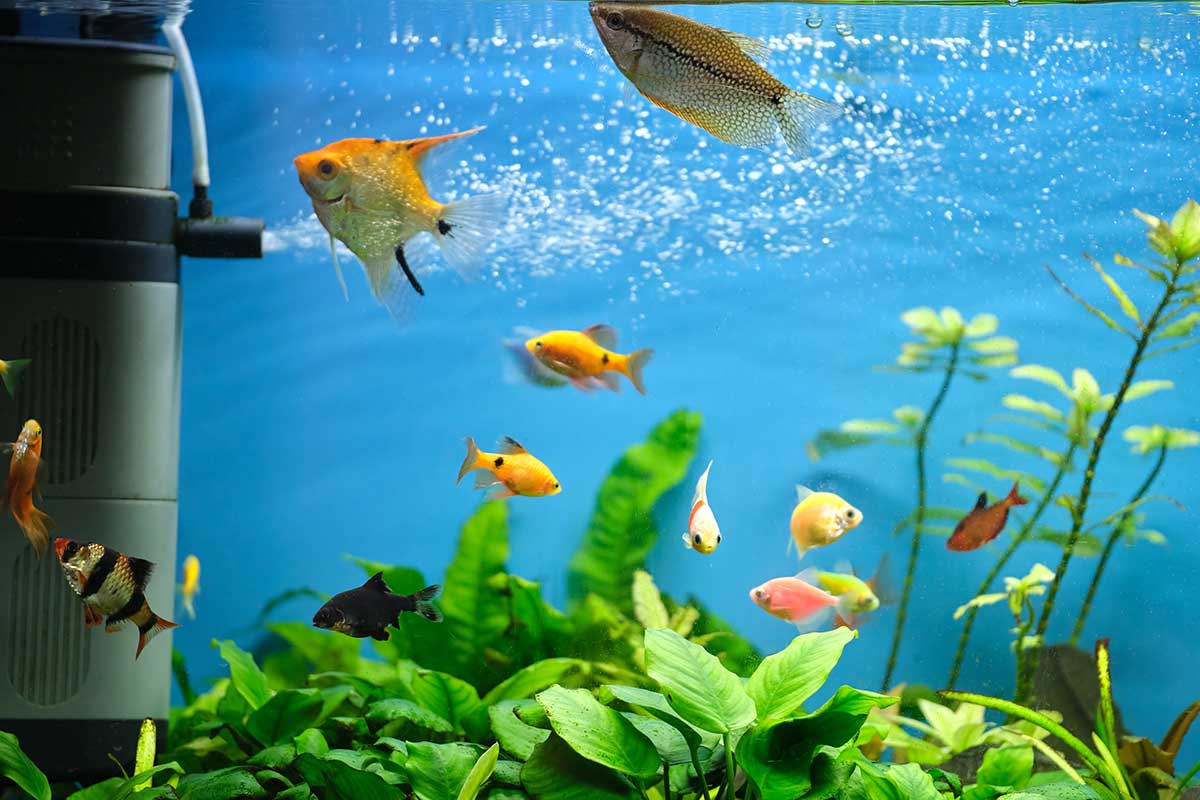
Advanced tips for healthier tanks
Small upgrades can make aquarium filtration basics perform like pro setups.
- Increase bio surface: Add ceramic rings or bio-balls to lift bacteria capacity.
- Stagger media changes: Replace only a portion of the bio media at a time.
- Use pre-filters: A sponge on the intake protects small shrimp and fry.
- Combine filters: Run a sponge filter with a canister for backup biofiltration.
- Monitor flow with simple checks: Use a leaf or ruler to judge current strength.
I added a sponge pre-filter to a planted tank and lost far fewer shrimp. It’s an easy fix with big gains.

Frequently Asked Questions of aquarium filtration basics
What is the simplest filter for beginners?
A hang-on-back (HOB) filter or sponge filter is easiest. They are cheap, easy to maintain, and work well for small tanks.
How long does biological filtration take to establish?
Biological filtration usually takes 2–6 weeks to mature. Time varies with temperature, bio media surface, and whether you seed bacteria.
Do I need chemical filtration in every tank?
No. Chemical filtration helps with odors and discoloration but is not always required. Many healthy tanks run with mechanical and biological filtration only.
How often should I replace filter media?
Mechanical media needs rinsing weekly and replacement when worn. Carbon is often replaced monthly. Biological media should be replaced rarely and only in stages.
Can I run too much filtration?
Too much flow can stress fish and uproot plants. Balance flow with your fish and plant needs, and add flow breaks if needed.
Will a sponge filter handle a planted tank?
Yes. Sponge filters provide gentle flow and great bio surface, making them ideal for many planted tanks.
How can I reduce cloudiness quickly?
Perform a partial water change and check mechanical media for clogs. If cloudiness continues, test water for ammonia and nitrite to find the cause.
Conclusion
Good aquarium filtration basics protect your fish and make tank care easier. Start with proper filter choice, set it up correctly, and stick to a simple maintenance plan. Small habits, like rinsing media in tank water and testing often, produce big results. Try one change this week—clean an intake, add bio media, or test water—and watch your tank improve. Share your results, ask questions, or subscribe for more practical tips on aquarium care.

Pingback: Aquarium Setup For Beginners: Easy 2026 Starter Guide - pettraiers.com