
Clean feeders and safe habits stop disease and keep backyard birds healthy.
I’ve spent years caring for backyard birds and teaching others how to feed them safely. This bird feeding hygiene guide draws on hands-on experience, practical tips, and clear steps you can use right away. Read on to learn why hygiene matters, how to clean feeders, what foods are safe, and simple routines that make a big difference for birds and you.

Why bird feeding hygiene matters
Good hygiene protects birds and neighbors. Dirty feeders spread bacteria, fungi, and parasites. This bird feeding hygiene guide shows how small actions cut those risks.
Clean feeding spots also help birds thrive. Healthy birds visit more often and live longer. As someone who once lost a favored feeder to mold, I learned that cleaning on a schedule keeps birds safe and the yard lively.

Common risks and diseases from poor hygiene
Feeder neglect can cause real harm. This bird feeding hygiene guide highlights the common threats so you know what to avoid.
- Salmonella and other bacteria: These spread through feces and old food. Infected birds may act weak or all fluffed up.
- Fungal infections like aspergillosis: Spoiled seed and damp feeders can breed fungus that harms lungs.
- Avian pox and conjunctivitis: Viruses can pass between birds at shared feeders.
- Parasites and mites: Dirty perches and seed trays can harbor tiny pests.
Watch for weak birds, fluffed feathers, droppings that look odd, or groups avoiding a feeder. Quick cleanup can stop many outbreaks.
Best practices for feeder cleaning and placement
Follow simple steps. This bird feeding hygiene guide gives a clean routine you can adopt.
Cleaning routine:
- Empty feeders daily of wet or clumped food.
- Clean feeders at least once every two weeks. Clean more in wet or cold weather.
- Use hot water and a mild dish soap or a diluted bleach solution (1 part bleach to 9 parts water). Rinse well and dry.
- For deep cleaning, scrub crevices with a small brush or bottle brush.
Placement tips:
- Place feeders away from dense shrubs if possible. Good airflow lowers disease spread.
- Space multiple feeders apart to reduce crowding.
- Use tray guards or seed catchers to limit spillage that attracts pests.
Safety note: Wear gloves when handling very dirty feeders. Dispose of moldy seed in sealed bag. Always rinse bleach-treated feeders thoroughly and let them dry to avoid chemical residue.

Safe foods and handling tips
Choosing and storing food is part of any bird feeding hygiene guide. Fresh, dry foods are best.
Safe foods:
- Black oil sunflower seed: High energy and popular.
- Suet and peanut suet cakes: Great in cold months.
- Nyjer seed for finches: Small seeds keep feeders busy.
- Mealworms sparingly: Good protein for nesting birds.
Avoid:
- Moldy, clumped, or wet seed: Toss it immediately.
- Bread or salty table scraps: These offer little nutrition and can spoil quickly.
- Fancy mixes that include dried fruit that clumps in damp weather.
Storage tips:
- Keep seed in airtight containers in a cool dry place.
- Buy seed in amounts you’ll use within a month if possible.
- Check delivery bags for pests before storing.

Design and choice of feeders to reduce contamination
Your feeder design matters in this bird feeding hygiene guide. Some styles cut risk and are easy to clean.
Feeder types to consider:
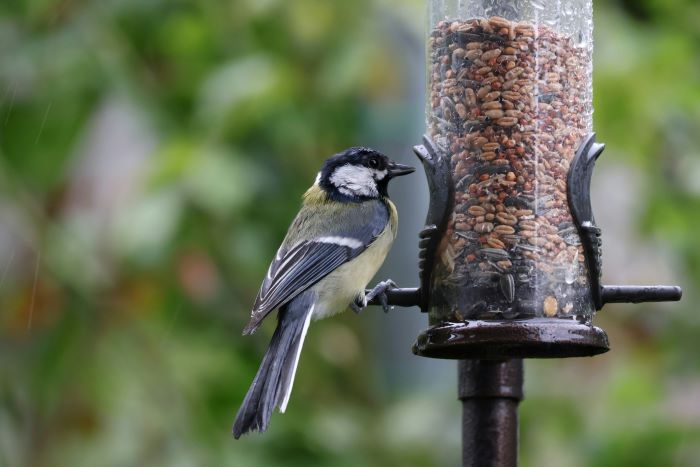
- Tube feeders with removable parts: Easy to take apart and scrub.
- Hopper feeders with wide openings: Good for cleaning the tray.
- Platform feeders with removable trays: Allow quick debris removal.
- Thistle (nyjer) feeders with small ports: Reduce seed spoilage.
Features that help hygiene:
- Smooth surfaces that resist mold
- Parts that come apart easily
- Minimal crevices where debris can hide
Avoid complex designs that trap seed or are hard to dry. Simple is safer.
Seasonal considerations and special care
Seasons change how we manage hygiene. This bird feeding hygiene guide covers the key shifts.
Spring and nesting:
- Increase cleaning to protect nesting birds.
- Offer higher-protein foods like mealworms for parents.
Summer:
- Watch for mold when humidity rises.
- Clean feeders more often and move feeders to shady spots.
Fall and winter:
- Keep feeders full to support migrating and overwintering birds.
- Freeze-dry or canned suet works well in cold weather.
- Clear snow and ice from perches and trays.
Injury or illness events:
- If many birds show signs of illness, take feeders down and clean thoroughly for two weeks. Contact local wildlife groups if needed.
Personal experiences and troubleshooting
I once ignored a pale bird at my feeder until many others grew sick. After deep cleaning and moving feeders, visits returned in two weeks. That taught me three lessons: act fast, keep a schedule, and learn from mistakes.
Common problems and fixes:
- Problem: Seed clumps in feeders. Fix: Add drainage or switch to a better design.
- Problem: Sparrows crowd out other birds. Fix: Use feeders that favor desired species.
- Problem: Mice or pests. Fix: Use squirrel guards and seal storage containers.
Keep a feeding log if you care for many feeders. Note clean dates and bird behavior. It helps spot trends fast.

Frequently Asked Questions of bird feeding hygiene guide
What is the easiest cleaning routine for busy people?
Clean feeders every two weeks with hot soapy water and rinse well. Empty wet or clumped food daily to prevent mold.
Can I use household bleach for feeder cleaning?
Yes. Use a diluted solution of 1 part bleach to 9 parts water, soak for 10 minutes, then rinse until no smell remains and dry thoroughly.
How often should I change bird seed?
Use seed within a month for best freshness. Throw out any moldy or damp seed immediately.
Should I stop feeding birds during disease outbreaks?
If you see many sick birds, remove feeders and clean all stations. Resume feeding after two weeks if birds look healthy.
Do certain feeders spread disease more than others?
Feeders that trap wet seed and have tight crevices pose higher risk. Choose feeders with removable parts and smooth surfaces for easier cleaning.
Is it okay to feed during winter storms?
Yes. Clean feeders before storms and keep seed dry. High-energy foods help birds survive cold snaps.
How can I attract a variety of birds while keeping hygiene?
Use multiple feeder types and spread them out. Rotate cleaning and offer fresh water to attract diverse species.
Can birdbaths spread disease like feeders?
Yes. Stagnant water can harbor microbes. Clean and replace water regularly to reduce risk.
How do I dispose of moldy seed safely?
Seal moldy seed in a bag and place in trash. Do not compost it in open piles where birds can access it.
Are homemade feeders safe?
They can be if built with easy-to-clean parts and non-toxic materials. Test for crevices and plan for regular cleaning.
Conclusion
This bird feeding hygiene guide gives clear steps you can use today. Clean regularly, choose the right feeders, store seed well, and watch bird behavior. Small habits prevent big problems and help your yard host healthy birds.
Take action: pick one feeder to clean now and set a calendar reminder. Share your results, subscribe for more tips, or leave a comment with questions.

Pingback: Parrot Care And Diet Guide: Essential Tips For Healthy Birds - pettraiers.com