

The best bird food types guide explains seeds, pellets, fruits, insects, and suet.
I’ve spent years feeding and studying birds in backyards and aviaries, and this bird food types guide shares clear, practical advice you can trust. I will walk you through common foods, species-specific choices, storage tips, and mistakes to avoid so you can feed birds well and feel confident doing it.
Why understanding bird food types matters
Knowing the right bird food types guide helps birds stay healthy and active. Good food supports feather health, strong bones, and steady energy. Poor food choices can cause obesity, vitamin gaps, and shorter lifespans. I’ve seen small changes transform a bird’s mood and health, so picking the right food matters.

Common types of bird food
This section breaks down the basic options you will see in any bird food types guide. Each option fits certain species and needs.
- Seed mixes: A classic in any bird food types guide. Seed mixes are cheap and popular with finches and wild birds.
- Sunflower seeds: Loved by many birds for fat and flavor. High energy, so use for active or winter feeding.
- Millet: Small, light grains that finches and sparrows enjoy. Often part of mixed seed blends.
- Pellets: Balanced nutrition in one piece. Pellets reduce selective eating in parrots and cockatiels.
- Nectar: Essential for hummingbirds and lorikeets. Use fresh or commercial mixes made for nectar feeders.
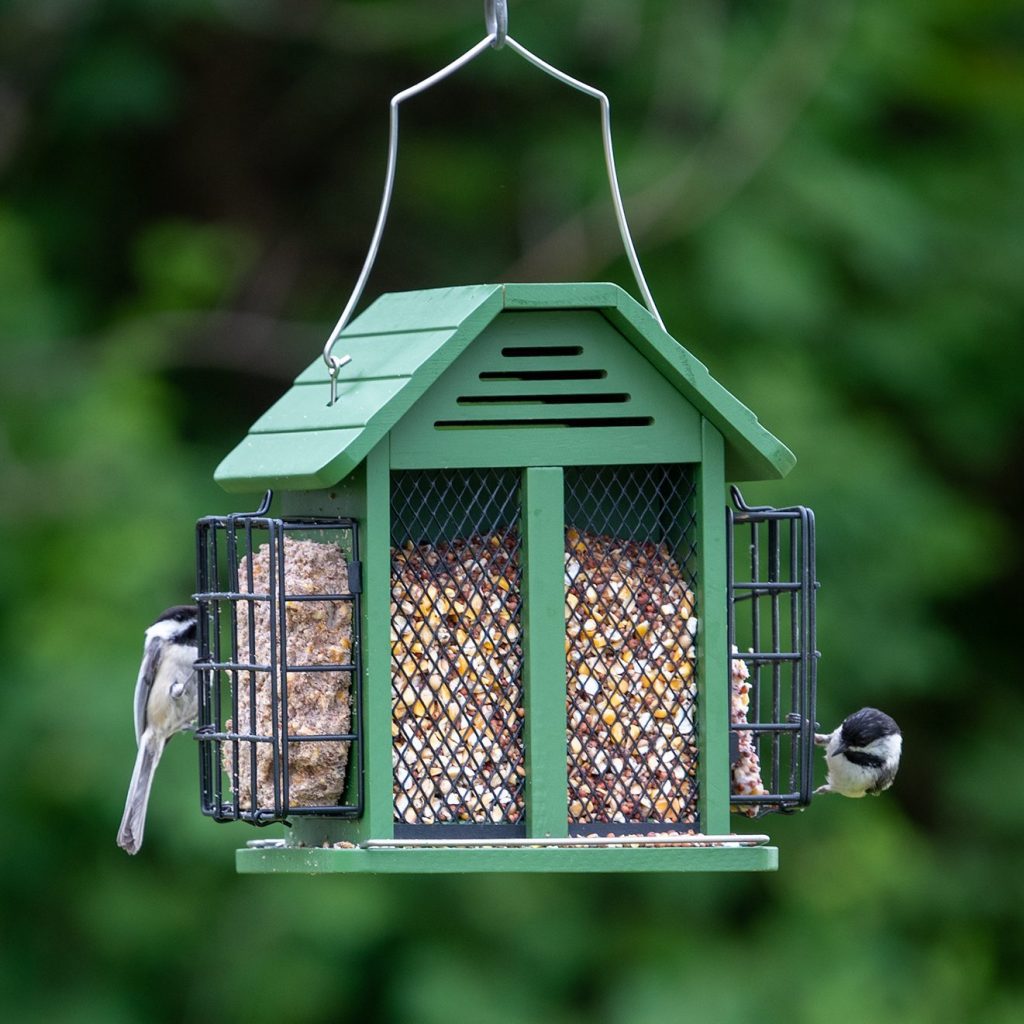
- Suet and fat cakes: High-energy blocks for cold months. Woodpeckers, nuthatches, and chickadees benefit most.
- Fruits and vegetables: Fresh produce adds vitamins and moisture. Offer soft fruits like banana and mango to parrots.
- Live and dried insects: Protein-rich food for insectivores and growing young birds. Mealworms and crickets are common.
- Grit and calcium: Small amounts help digestion and shelling needs. Important for free-ranging birds and laying females.

Specialty diets and supplements
Some birds need more than basic food. Use this bird food types guide to decide on extras.
- Vitamin supplements: Useful when birds eat limited diets. Use only as directed to avoid overdoses.
- Calcium and cuttlebone: Vital for egg-laying birds and growing chicks. I always keep cuttlebone in parrot cages.
- Probiotics: Help gut health after antibiotics or stress. Short courses can reduce digestive upset.
- Fortified pellets: Designed for long-term balanced nutrition. My parrots did best after I transitioned from seeds to pellets.
- Seasonal boosts: More fat in winter or extra protein during molt. Adjust food to match life stages.

How to choose food by bird species
Different species have different needs. This bird food types guide helps you match food to species.
Parrots and cockatiels
Pellets should be the base. Add fresh fruits, vegetables, and occasional seeds for enrichment. Avoid pure seed diets long term.
Budgies, canaries, and finches
High-quality seed mixes with millet and canary seed work well. Offer cut vegetables and fresh water daily.
Wild backyard songbirds
Mixed seeds, sunflower seeds, and suet attract a wide variety. Clean feeders often to prevent disease spread.
Hummingbirds and lorikeets
Use nectar for hummingbirds and specialized nectar or pollen mixes for lorikeets. Replace nectar every 24-48 hours in warm weather.
Insect-eating species
Provide live or dried insects and high-protein pellets. Young birds often need more insects for growth.

Feeding tips and storage
Simple habits keep food safe and birds healthy. Follow this bird food types guide for best results.
- Rotate food: Buy smaller bags and rotate stock to avoid stale food. Fresh food tastes better and stays nutritious.
- Store dry food in airtight containers: Keeps pests out and preserves freshness. Cool, dark places work best.
- Clean feeders: Wash feeders weekly to prevent mold and bacteria. I scrub feeders with a mild bleach solution once a month.
- Measure portions: Offer reasonable amounts to avoid waste and spoilage. Toss leftovers after a day for soft foods.
- Observe eating habits: Note weight, droppings, and feather condition as clues to diet issues.

Common mistakes to avoid
Avoid these errors mentioned across many bird food types guide experiences.
- Relying only on seeds: Seeds can be nutrient-poor for many pet birds. Balance with pellets and fresh foods.
- Overfeeding fatty treats: Too many sunflower seeds or suet can cause obesity. Treats should be small and occasional.
- Ignoring species differences: What suits a finch may harm a parrot. Use species-specific guidance.
- Poor storage practices: Damp or hot storage causes mold and toxin risks. Toss moldy food immediately.
- Skipping clean-up: Dirty feeders spread disease fast. Regular cleaning protects all birds.
Frequently Asked Questions of bird food types guide
What is the best single food for parrots?
Pellets are the best single base food for parrots because they provide balanced nutrients and prevent selective feeding. Add fresh fruits and vegetables for variety.
Can wild birds eat human bread?
Bread fills birds but has little nutrition and can cause health issues if given often. Offer seeds, suet, or suitable fruit as healthier alternatives.
How often should I change nectar for hummingbirds?
Change nectar every 24-48 hours in warm weather and at least every three days in cool weather to prevent fermentation. Keep feeders clean between refills.
Are mealworms safe for all backyard birds?
Many insectivorous and omnivorous birds eat mealworms safely as a protein boost. Use them sparingly for non-insect-eating species.
Do seeds cause nutrient deficiencies?
A seed-only diet can lack vitamins and minerals for parrots and other pet birds. Combine seeds with pellets and fresh foods to avoid deficiencies.
Is grit necessary for pet birds indoors?
Most pet birds that eat pellets or soft foods do not need grit. Free-ranging and seed-eating birds may use small grit to aid digestion.
Conclusion
This bird food types guide gives simple steps to feed birds better. Match food to species, use balanced pellets when possible, offer fresh items, and store food safely. Start small by changing one feeding habit today and watch your birds improve. Try a new food type, share your results, or leave a comment to join the conversation.
