
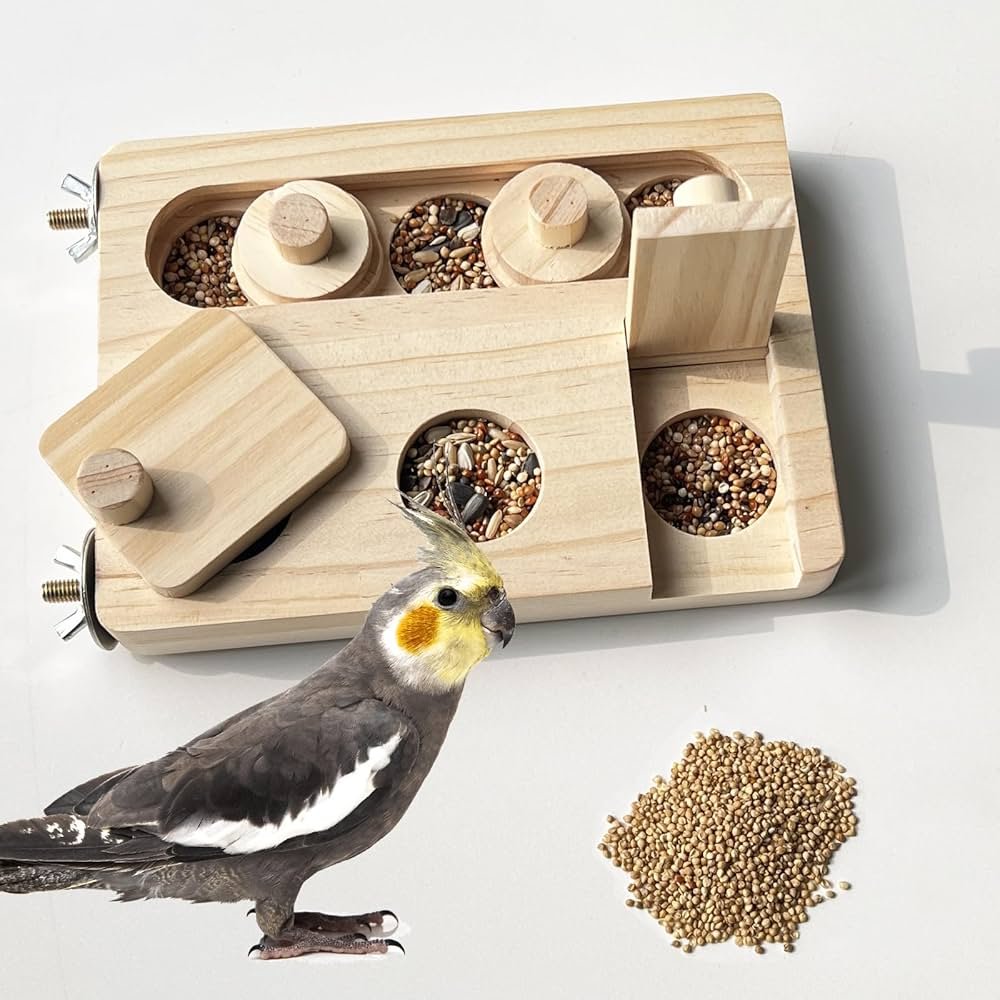
Bird mental enrichment keeps birds curious, calm, and healthy by stimulating brain and natural behaviors.
I have worked with parrots, cockatiels, and finches for years. I design safe play and learning plans that improve behavior and mood. This guide explains bird mental enrichment with clear steps, real tips, and easy DIY ideas you can try today. You will learn why enrichment matters, what works, and how to do it right for your bird.

Why bird mental enrichment matters
Birds are smart. They need play, challenge, and new things to stay well. Without bird mental enrichment they can feel bored, stressed, or act out. Good enrichment lowers fear and prevents harmful habits like feather plucking.
I have seen shy birds become curious after a few enrichment sessions. Small efforts often lead to big changes in mood and trust. Use enrichment as part of daily care to keep your bird bright and calm.

Core types of bird mental enrichment
Bird mental enrichment works best when it covers many areas. Mix foraging, cognitive challenge, social time, sensory play, and safe physical activity. Rotate items to keep things fresh and fun.
Foraging enrichment
Foraging lets birds work for food like they would in the wild. Hide treats in toys, paper, or safe boxes. It boosts problem solving and eats boredom.
Cognitive enrichment
Cognitive tasks ask birds to solve a problem. Teach puzzles, shape matching, or simple games. These tasks build memory and focus.
Social enrichment
Birds are social by nature. Talk, sing, or sit near them each day. Play gentle games and allow supervised time outside the cage when safe.
Sensory enrichment
Use safe sounds, smells, and textures to spark interest. Offer natural branches, soft leaves, or different perches. Rotate scents like plain herbs in small amounts.
Physical enrichment
Provide swings, ladders, and varied perches. Let birds flap in a safe room or fly short distances if possible. Movement supports health and reduces stress.
Training as enrichment
Training using positive rewards is mental work. Teach step-up, target touch, or simple tricks. Training builds trust and gives clear mental goals.
Designing a daily enrichment plan
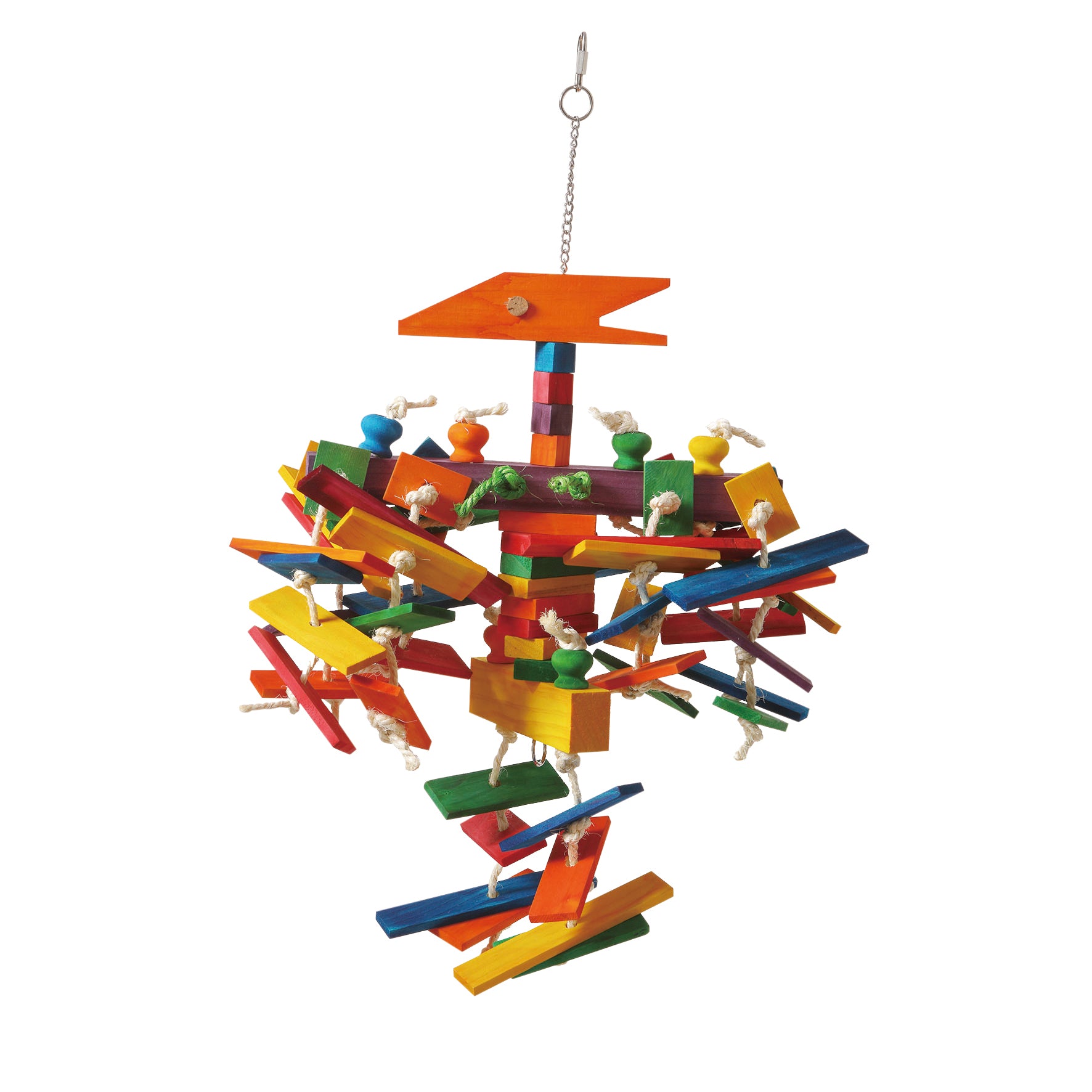
A plan keeps enrichment simple and consistent. Start with 15–30 minutes of focused play each day. Add several short sessions of foraging and training over the week.
Use variety and slow change. Rotate toys weekly and swap foraging spots every few days. Track what your bird likes and tweak the plan.
-
- Morning social time: 10 minutes of talk or handling.
-
- Midday foraging: scatter treats in a toy or paper.
-
- Afternoon training: 10–15 minute session of basic cues.
-
- Evening quiet: soft music or a dim light for calm.
DIY toys and enrichment ideas
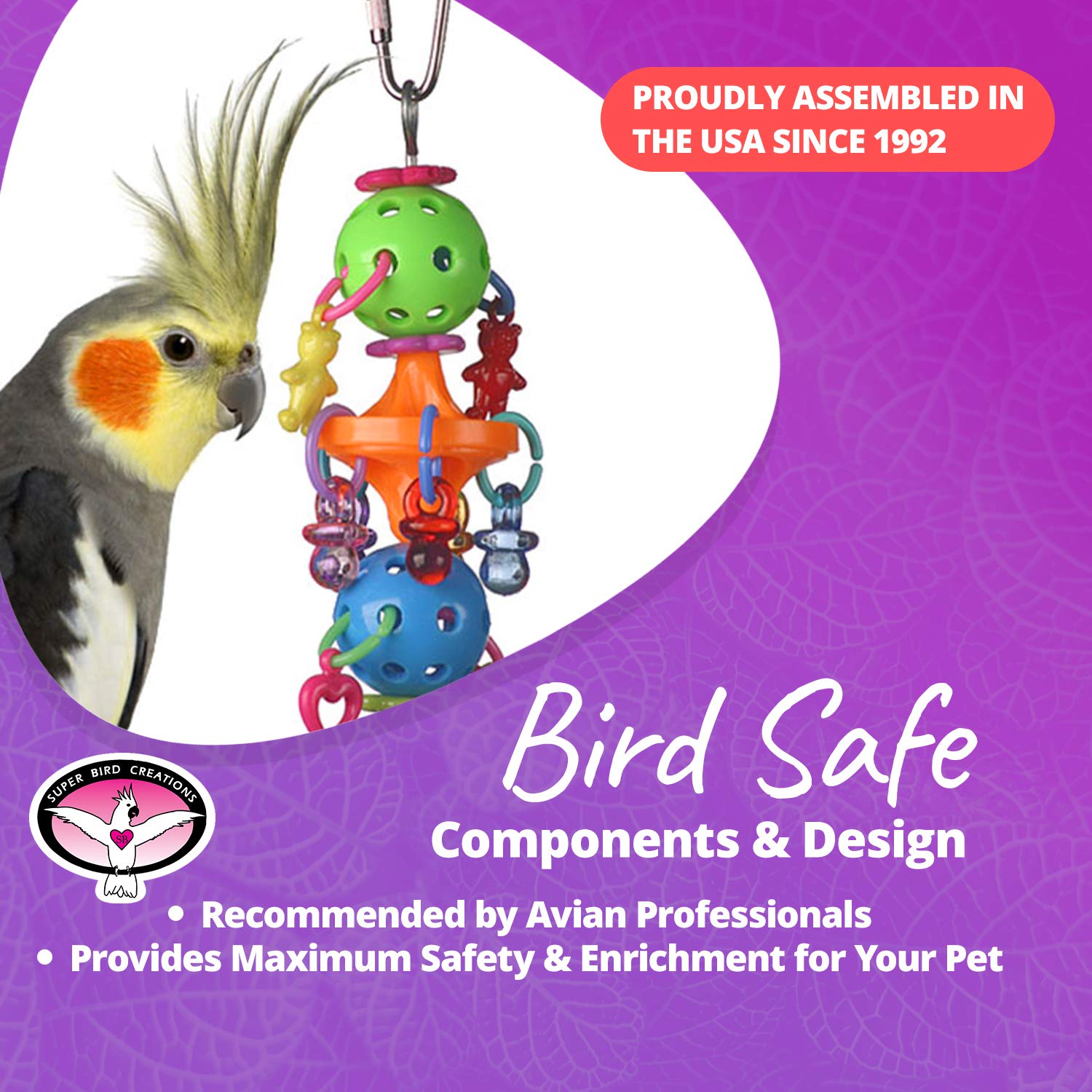
You do not need to buy expensive items. Many safe DIY toys work well and encourage brain use. I have made popular toys from paper, wood, and safe ropes.
- Paper foraging roll: Wrap treats in plain paper and tuck in a cardboard tube.
- Cup puzzle: Stack plastic cups with hidden treats under some cups.
- Natural branch perch: Cleaned hardwood branches with varied diameter.
- Ribbon ring: Loop safe cotton ribbons and braid for pulling and chewing.
- Foraging tray: Place leaves, twigs, and small treats on a tray for searching.
- Bottle cap puzzle: Glue caps to a base with small holes for kibble.
- Shred box: Fill a box with shredded paper and safe toys for digging.
Always test toys for safety before giving to your bird. Remove loose glue, small parts, or toxic materials. Watch first play sessions closely.
Safety, common mistakes, and troubleshooting
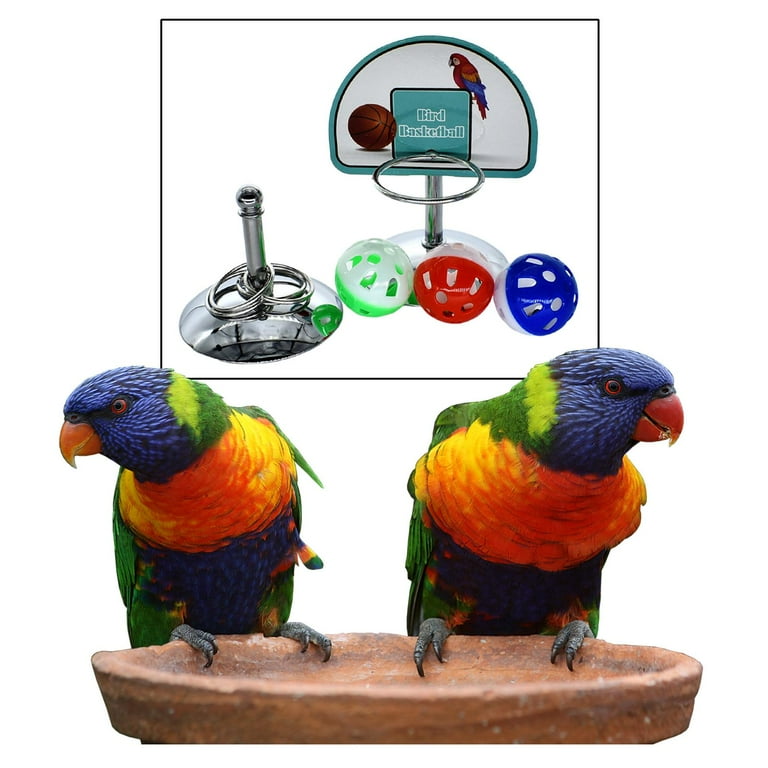
Safety is key to enrichment. Use untreated wood, plain paper, cotton, and stainless steel hardware. Avoid Teflon pans, zinc, lead, and colored or glossy paper.
Common mistakes include too much change at once and unsafe toy parts. If your bird chews small parts, stop and fix the toy. If your bird seems stressed, reduce the level of challenge and try simple tasks.
Watch for these signs
- Sudden feather picking or less eating
- New loud calls or repeated pacing
- Reluctance to interact or hiding in corner
If you see these signs, slow down and consult a vet or bird behavior specialist. Adjust toys, remove hazards, and reintroduce enrichment slowly.

Measuring success and adjusting
Track small wins to know what works. Note mood, play time, and behavior daily for two weeks. Look for more curiosity, less screaming, and steady eating.
Adjust based on signs. If a toy is ignored after two days, swap it out. If a task is too hard, break it into steps and reward small progress. Success is steady, small change.

Frequently Asked Questions of bird mental enrichment
What is bird mental enrichment and why is it important?
Bird mental enrichment is any activity that stimulates a bird's mind and natural behaviors. It keeps birds healthy, lowers stress, and reduces bad habits like feather plucking.
How often should I provide bird mental enrichment?
Aim for short daily sessions and several small activities across the week. A mix of 15–30 minutes of focused play plus short foraging or sensory moments works well.
Are store-bought toys better than DIY for bird mental enrichment?
Both can work well if they are safe and varied. DIY toys can be cheap and fun, while store toys may offer complex puzzles that last longer.
Can all bird species use the same enrichment ideas?
The core ideas are similar, but scale and safety differ by size and species. Parrots need more complex tasks; finches need light perches and foraging options.
How do I introduce new bird mental enrichment without stressing my bird?
Start slow and show the toy gently. Let the bird watch and approach. Reward small curiosity with treats and praise to build confidence.
When should I stop an enrichment activity?
Stop if your bird shows stress, avoids the toy, or chews unsafe parts. Replace it with a calmer task and consult a vet if problems persist.
Conclusion
Bird mental enrichment is a simple way to boost your bird's life. Mix foraging, play, training, and safe new things each week. Start small, watch your bird, and build on what works.
Take one idea from this guide and try it today. Share your results, ask questions, or subscribe for more tips on bird care.
