
Bird perch toy importance keeps pet birds healthy, active, and emotionally stimulated.
I have spent years caring for companion birds and advising bird owners. I know why bird perch toy importance matters for well-being, behavior, and longevity. This article explains the science, the practical benefits, and step-by-step ways to choose, introduce, and maintain perch toys. Read on for clear, experience-backed advice you can use right away.
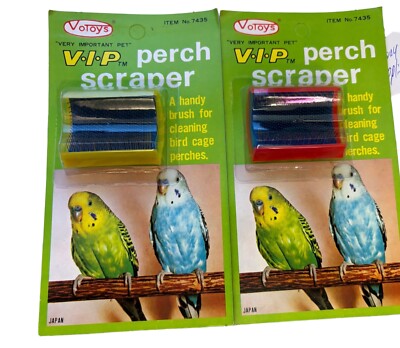
Why bird perch toy importance matters for pet birds
Birds are built to climb, chew, and explore. The bird perch toy importance lies in meeting those instincts inside a cage or aviary. Without purposeful perches and toys, birds can develop boredom, feather damage, or unhealthy habits.
I have seen parrots become calmer and more social after adding diverse perch toys. The bird perch toy importance is not just comfort. It is a core part of mental and physical health for caged birds. Use this guide to make informed choices that match your bird’s size and personality.

Top benefits of bird perch toy importance
- Physical exercise: Perch toys encourage gripping, climbing, and foot work. This helps foot muscles and joint health.
- Mental stimulation: Novel textures and puzzles reduce boredom. They prevent stress-related behaviors like feather plucking.
- Beak and nail care: Chewing toys wear down beaks naturally and safe perches help nail maintenance.
- Social enrichment: Interactive perch toys can promote bonding and training opportunities.
- Environmental enrichment: A variety of perch toys makes the cage feel more like a natural habitat.
Each of these benefits shows how bird perch toy importance supports long-term health. In my experience, rotating a few toys every week keeps birds curious and lively. If you aim for balanced care, neglecting perch toys is a common mistake to avoid.
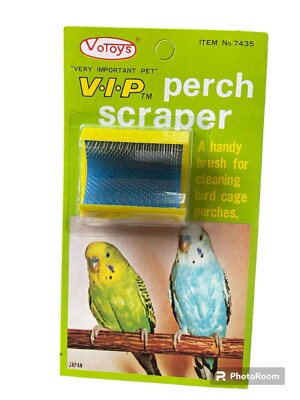
Common types of perch toys and when to use them
- Natural wood perches: Use daily for foot comfort and chewing. They mimic branches and often reduce pressure sores.
- Rope perches and toys: Use for climbing and play. Avoid frayed ropes that can trap toes.
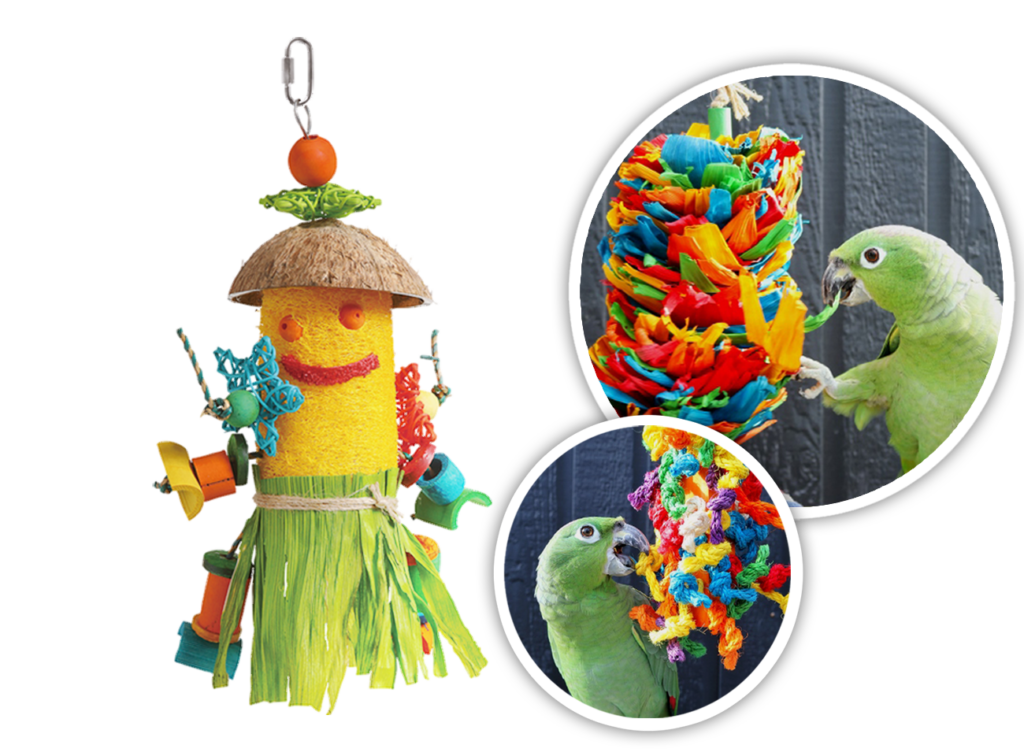
- Puzzle and foraging toys: Use to stimulate problem solving and teach foraging skills.
- Swing perches: Use for gentle motion and vestibular stimulation.
- Sand or textured perches: Use sparingly to aid nail wear but monitor for irritation.
- Foot toys and chew sticks: Use as quick enrichment and beak exercise.
Mix types to cover the many needs of your bird. The bird perch toy importance increases when toys mimic natural behaviors. I alternate textures and sizes to keep engagement high.
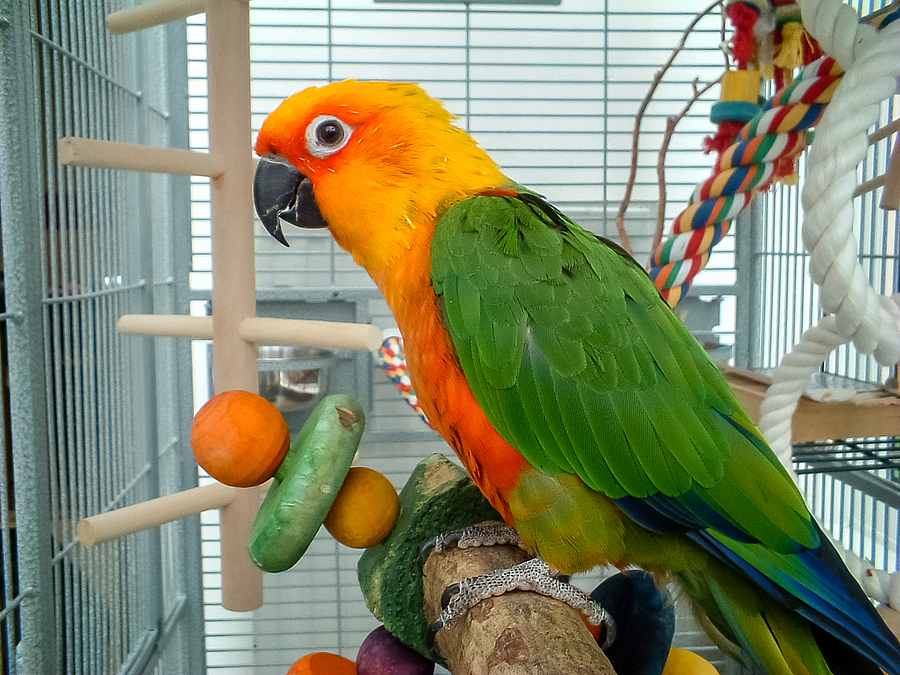
How to choose safe materials and correct sizes
- Match size to species: Small birds need narrow perches; large parrots need thicker, sturdier ones.
- Avoid toxic materials: Do not use treated wood, lead paint, or metal types that corrode.
- Check hardware: Use stainless steel or solid brass fasteners that resist chewing and rust.
- Monitor wear and cleanliness: Replace toys with sharp edges, mold, or loose parts.
- Consider grip variety: Offer perches with differing diameters to prevent foot problems.
Choosing safe gear is a large part of bird perch toy importance. I once recommended a size change that stopped a cockatiel’s foot soreness within days. Small adjustments often yield big results.
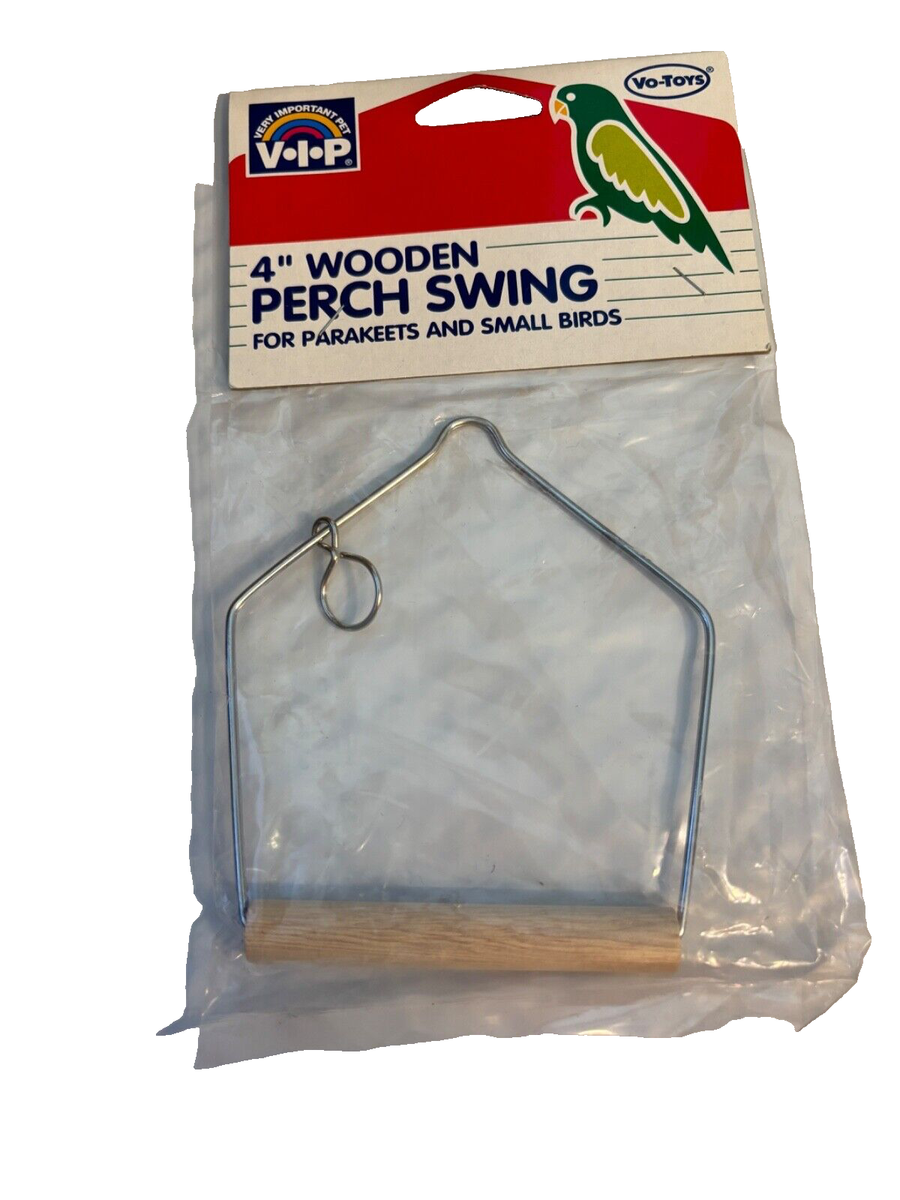
Introducing and rotating perch toys for best results
- Start slow: Add one new perch toy at a time. Let your bird inspect it for a few days.
- Offer positive reinforcement: Praise and small treats help birds accept new items.
- Rotate regularly: Swap toys every 5 to 10 days to renew interest without overwhelming the bird.
- Observe behavior: Remove anything that causes stress, over-chewing, or unsafe chewing patterns.
- Use placement wisely: Put toys where the bird can reach comfortably and where they encourage movement.
Good introduction and rotation routines amplify bird perch toy importance. In my experience, a consistent rotation schedule prevents boredom and keeps training fun.

DIY perch toys and basic maintenance tips
- Build safe chew toys: Use untreated hardwood dowels and bird-safe glue. Sand rough edges.
- Make foraging toys: Hide treats in paper cups or folded cardboard for small birds.
- Clean regularly: Wash non-porous toys weekly with mild soap and rinse well.
- Replace when needed: Discard toys with exposed wires, crumbling material, or mold.
- Keep records: Note when you added or replaced toys to track wear and bird response.
DIY options can be affordable and tailored to your bird’s tastes. My first parrot loved a homemade foraging block for months. Remember that DIY must always follow safety rules to maintain bird perch toy importance.

Training and behavior benefits tied to perch toy use
- Target training: Use perch toys as rewards or target points during short training sessions.
- Reduce noise and chewing: Enriching toys lessen attention-seeking behaviors.
- Build trust: Shared play around perch toys strengthens the human-bird bond.
- Promote natural behaviors: Foraging toys encourage healthy routines and mental activity.
Training adds value to bird perch toy importance. When toys are integrated into daily interaction, they become tools for learning and bonding.
Safety checklist before buying or installing perch toys
- Size and durability match species
- Materials are non-toxic and safe to chew
- No loose threads, sharp points, or gaps that trap toes
- Hardware is resistant to rust and chewing
- Easy to clean and replace when worn
Following a simple checklist helps you prioritize bird perch toy importance over novelty. I use this list before every purchase or DIY build.

Frequently Asked Questions of bird perch toy importance
What is the single biggest benefit of bird perch toy importance?
The biggest benefit is reducing boredom and promoting natural behaviors. This leads to better mental health and fewer negative behaviors.
How often should I rotate perch toys?
Rotate toys every 5 to 10 days to keep interest high. Watch your bird’s behavior and adjust the schedule as needed.
Are certain materials unsafe for perch toys?
Yes. Avoid treated wood, lead-containing paints, and frayed synthetic ropes that can tangle toes. Use natural, bird-safe materials instead.
Can perch toys help with beak overgrowth?
Chewable toys and wood perches can help wear the beak naturally. Severe overgrowth still needs a vet check.
How many perch toys does a typical cage need?
Aim for a mix of 3 to 6 perches and toys for small to medium cages. Larger cages and social setups need more variety and space.
Conclusion
Bird perch toy importance goes beyond decoration. Proper perches and toys support physical health, mental well-being, and the bond between you and your bird. Start by choosing safe, varied items. Introduce them slowly. Rotate and observe to keep your bird curious and happy. Take action today: assess your bird’s cage, add one safe perch toy, and watch the difference. Share your experience or ask a question below to learn more.

Pingback: Parrot Care And Diet Guide: Essential Tips For Healthy Birds - pettraiers.com