
Cats thrive on different food types; knowing them keeps your cat healthy and happy.
I’ve worked with cats for years and studied feline nutrition. This guide on cat food types explained breaks down every major option. You will learn what dry, wet, raw, freeze-dried, homemade, and prescription foods mean. I show pros and cons, real-world tips, and how to pick the right choice for your cat. Read on to make smarter, safer feeding choices using clear, practical advice.

Why understanding cat food types explained matters
Cats have unique needs. They are obligate carnivores. That means protein from meat matters most. Choosing the wrong food can cause weight, dental, or urinary problems. Knowing cat food types explained helps you match food to life stage, health, and budget. It also helps you avoid unsafe ingredients and poor labels. I’ll share lessons from my experience feeding fussy and senior cats. You will leave knowing how each category fits real life.

Common cat food types explained
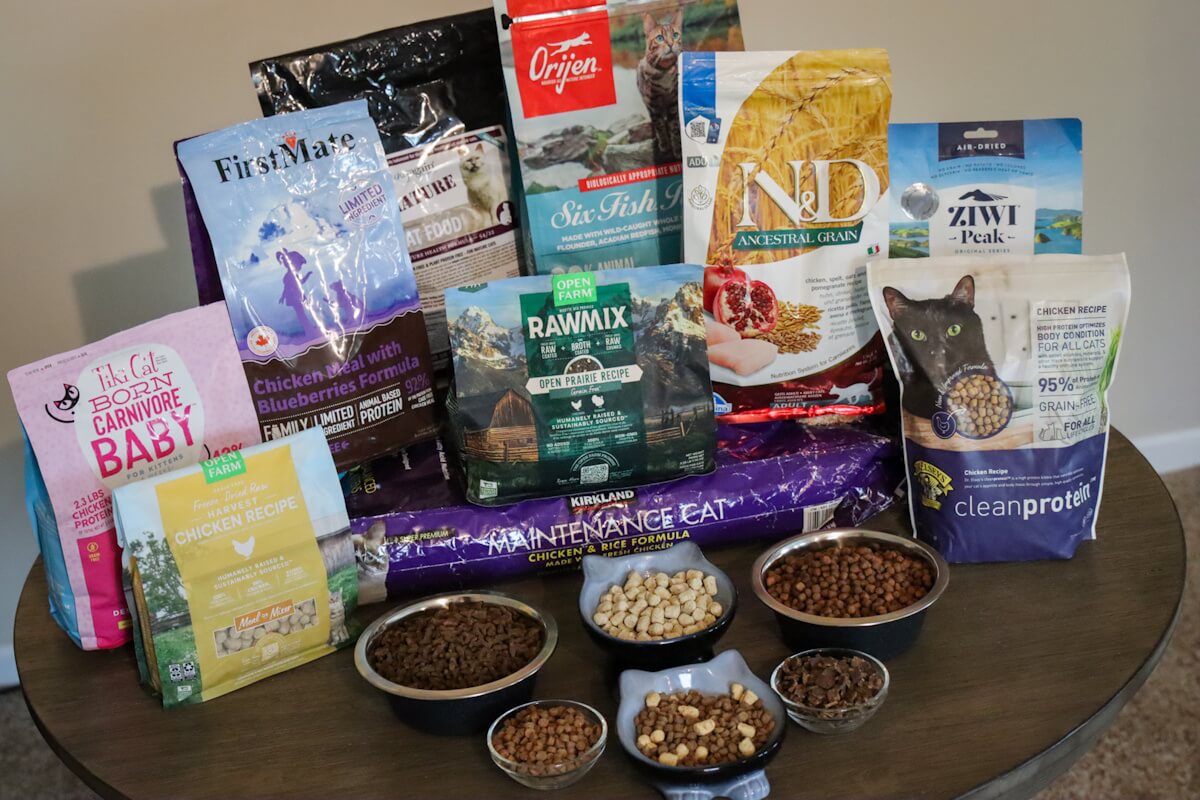
Below are the main cat food types explained in simple terms. Each type includes benefits, drawbacks, and who it fits best.
Dry food (kibble)
Dry food is cooked and shaped. It is low in moisture and easy to store.
- Pros: Affordable, convenient, long shelf life.
- Cons: Low water content, may encourage overeating.
- Best for: Busy owners and cats that prefer crunchy textures.
Wet food (canned or pouches)
Wet food has high moisture and rich texture.
- Pros: Helps hydration, often more palatable.
- Cons: More expensive, opens spoil faster.
- Best for: Cats that drink little water, older cats, or picky eaters.
Raw and BARF diets
Raw food aims to mimic natural prey. BARF stands for Bones and Raw Food.
- Pros: High protein and minimal processing.
- Cons: Food safety risks and nutrient imbalance if not well planned.
- Best for: Experienced owners working with a veterinary nutritionist.
Freeze-dried and dehydrated food
These are lightly processed to keep nutrients. Add water before feeding or give dry.
- Pros: Better shelf life than fresh raw, convenient.
- Cons: Can be pricey.
- Best for: Owners wanting raw benefits without refrigeration.
Homemade diets
Home-cooked meals let you control ingredients.
- Pros: Full control, can avoid allergens.
- Cons: Risk of missing key nutrients. Needs vet guidance.
- Best for: Owners willing to learn and consult a pro.
Prescription and therapeutic diets
Special formulas made for health problems like kidney disease, diabetes, or allergies.
- Pros: Targeted nutrition with clinical support.
- Cons: Must be used under vet supervision.
- Best for: Cats with diagnosed conditions.
Combination feeding
Many owners mix wet and dry. This balances convenience and hydration.
- Pros: Variety and hydration boost.
- Cons: Need portion control to avoid extra calories.
- Best for: Most healthy cats and multi-cat households.
Each of these cat food types explained offers different trade-offs. Match them to your cat’s health and your routine.
How to choose the right cat food types explained for your cat
Use a simple checklist. This helps pick the right food fast.
- Consider life stage: kitten, adult, senior. Needs change with age.
- Check health issues: kidney, urinary, diabetes, weight. Get vet advice.
- Read labels for protein first and real meat sources.
- Watch calorie counts. Overfeeding causes obesity.
- Think about texture and flavor. Cats can be picky.
- Try small switches slowly. Sudden changes cause upset stomachs.
From my experience, introduce new cat food types explained gradually. Mix increasing amounts of new food over 7–10 days. Note changes in stool, appetite, and energy. If any issues appear, pause and talk to your vet.

Reading labels and ingredients for cat food types explained
Labels can be confusing. Here are clear steps to decode them.
- Look at the first ingredients. Real meat should be near the top.
- Find a named protein source. “Chicken” is better than “meat.”
- Check guaranteed analysis. Protein, fat, fiber, and moisture matter.
- Confirm AAFCO statement or similar. It shows the food meets standards.
- Spot fillers and additives. Too many unnamed carbs can lower quality.
I once fed a cat a brand labeled “premium” that listed corn first. The cat gained weight and had dull fur. Switching to a higher-protein brand fixed it in weeks. That taught me to trust ingredient order, not marketing claims.

Feeding, portioning, and transitioning cat food types explained
Feeding right keeps cats healthy. Follow these simple rules.
- Use feeding guides as a starting point, not gospel.
- Measure food with a scale or measuring cup.
- Feed smaller, more frequent meals for kittens and seniors.
- When changing food, mix 25% new with 75% old, then increase the new slowly.
- Monitor body condition. Aim for a visible waist and easy rib feel.
I recommend weighing portions for one week. Track weight and appetite. It helps avoid under- or overfeeding.
Common mistakes and myths about cat food types explained
Avoid these common errors. They can harm your cat.
- Myth: All dry food is bad. Reality: Some dry food can be high quality and useful.
- Mistake: Sudden diet changes. Reality: Fast changes cause vomiting or diarrhea.
- Myth: Grain-free always better. Reality: Grain-free may be higher in other carbs and not needed.
- Mistake: Ignoring water intake. Reality: Wet food helps urinary health.
- Myth: Human food is fine. Reality: Many human foods are toxic to cats.
I learned one hard lesson when I fed tuna too often. The cat developed nutritional gaps and a vitamin deficiency. Use treats sparingly and focus on balanced cat food types explained.

Safety tips and regulations for cat food types explained
Food safety matters more for raw and homemade diets.
- Store food properly. Refrigerate opened wet food and raw items.
- Clean bowls and surfaces after feeding.
- If using raw, source high-quality proteins and follow safe handling.
- Follow manufacturer dates and recall notices.
- Work with your vet when using prescription or homemade diets.
Regulatory standards vary by country. Always verify that a product follows recognized nutritional standards and has proper labeling.

Frequently Asked Questions of cat food types explained
What is the best cat food type for indoor cats?
Indoor cats often benefit from a mix of wet and dry. Wet food helps hydration. Dry food can support dental health if used correctly.
Can I feed raw food to my cat safely?
You can, but safety steps are crucial. Work with a veterinary nutritionist and handle raw food carefully to reduce risk.
How do I switch my cat to a new food?
Switch slowly over 7–10 days. Start with 25% new food and raise the amount each day. Watch for digestive upset.
Is homemade cat food better than commercial food?
Homemade can be good if balanced. Most homemade diets lack nutrients unless formulated by a pro. Consult your vet first.
How often should I feed different cat food types explained?
Kittens need frequent small meals. Adults do well with two meals daily. Seniors may need more frequent, smaller feedings.
Are grain-free diets healthier for cats?
Not always. Grain-free is helpful for some allergies but not needed for all cats. Look at overall protein and nutrient balance.
Conclusion
You now have a clear roadmap of cat food types explained. Use life stage, health needs, and label clues to choose wisely. Start slow when changing diets and consult your vet for specific concerns. Small, informed changes lead to big health gains for your cat. Try one new, quality food type this month and watch how your cat responds. If you found this helpful, leave a comment or subscribe for more pet nutrition tips.

Pingback: Indoor Cats Vs Outdoor Cats: Best Guide For Pet Owners - pettraiers.com