
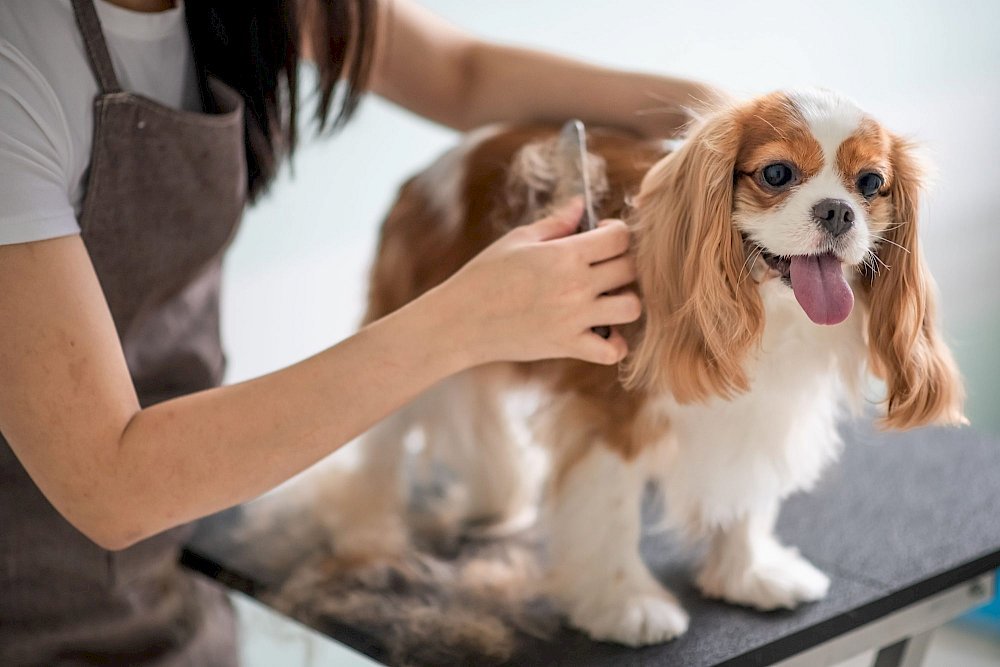
Regular cat grooming reduces hairballs, prevents skin problems, and boosts overall feline health.
I have cared for cats and worked with groomers for years, and I know how powerful consistent care can be. This article explains cat grooming health benefits in clear, practical terms. You will learn how grooming protects skin and coat, lowers disease risk, cuts down hairballs, helps spot illness early, and improves behavior. Read on for step-by-step tips, real-life lessons, and simple routines you can start today to keep your cat healthy and happy.

Why grooming matters: overview of cat grooming health benefits
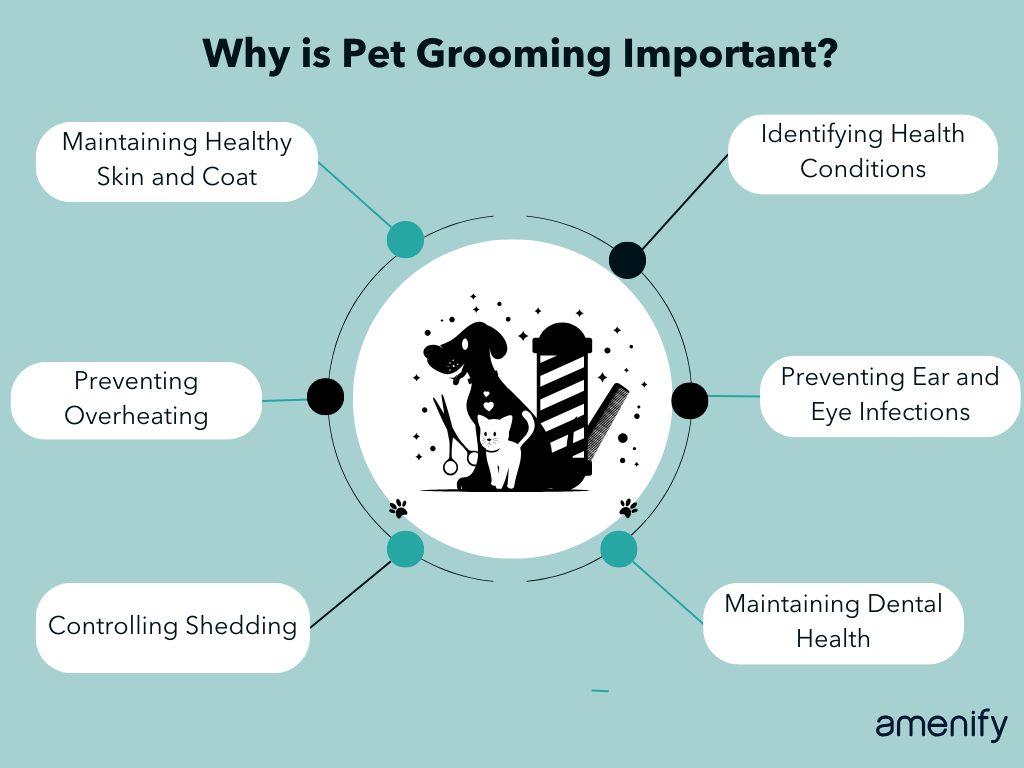
Grooming does more than keep fur tidy. Regular brushing and cleaning prevent common problems before they start. The cat grooming health benefits include better skin, fewer hairballs, and early detection of disease. These gains save time, reduce vet visits, and make your cat feel better.
Over years of pet care, I’ve seen how a short weekly routine prevents costly issues. Small habits give big health returns. A calm brushing session can become a daily checkup that keeps your cat thriving.
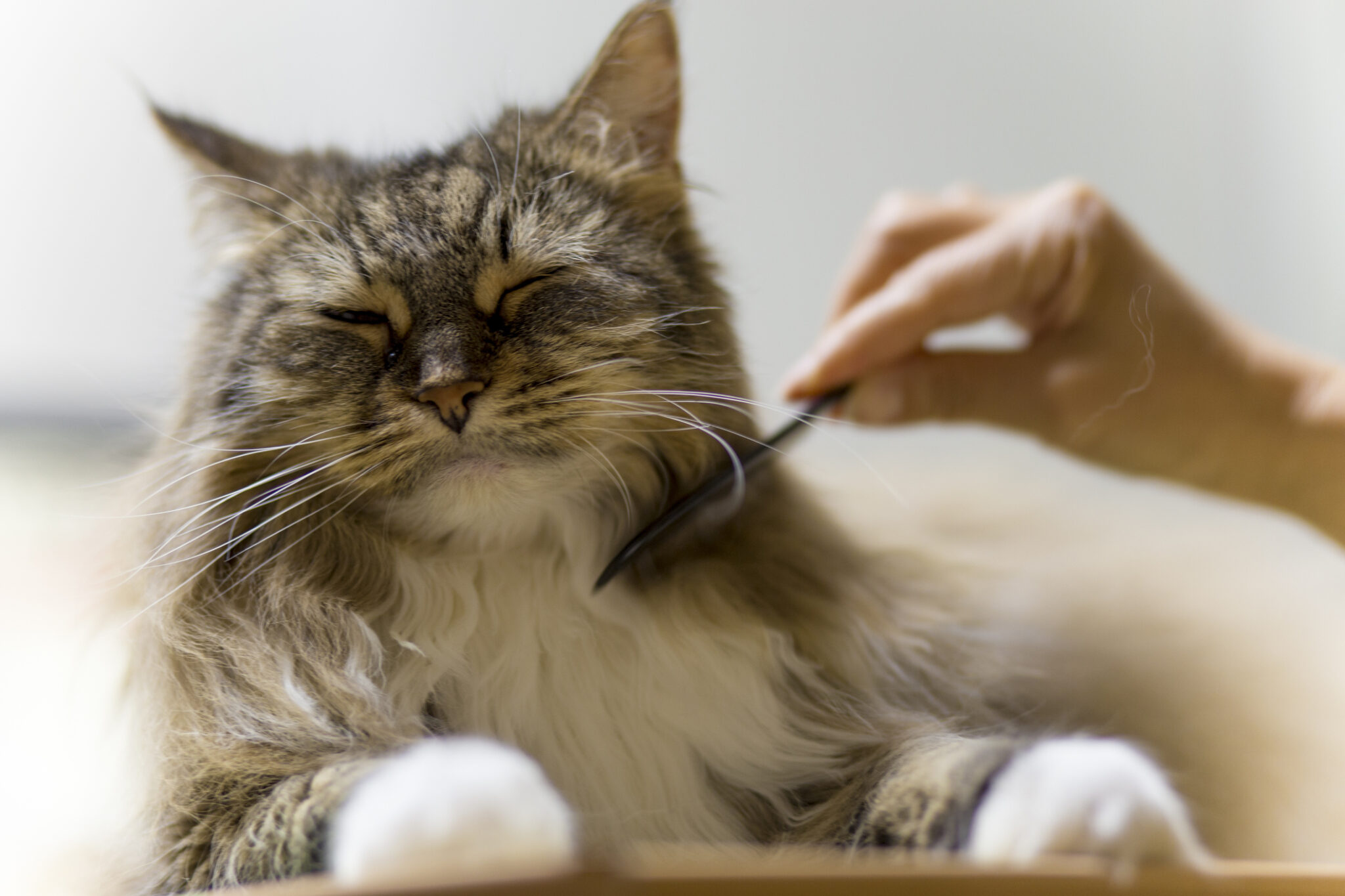
Skin and coat: how grooming improves skin health
Grooming removes loose hair and dirt that can trap bacteria. That lowers the chance of skin infections and hotspots. Regular brushing spreads natural oils across the coat. This keeps fur shiny and the skin hydrated.
Key effects on skin and coat:
- Reduces matting and tangles that pull on skin and trap moisture.
- Lowers dandruff and dry patches by moving oil along the hair.
- Helps control parasites by letting you spot fleas and ticks early.
In my experience, long-haired cats benefited fast from a 10-minute daily brush. Their coats looked healthier within a week and they scratched less.

Hairball control and digestive benefits
Hairballs form when swallowed hair builds up in the stomach. Brushing removes loose fur before your cat swallows it. This reduces vomiting and intestinal issues.
Practical tips to reduce hairballs:
- Brush daily during shedding season to catch loose hair.
- Use a de-shedding tool for thick coats to remove undercoat fur.
- Offer high-fiber treats or wet food if hairballs persist, after talking to your vet.
I once had a cat with chronic hairballs. After a simple grooming routine and a fiber supplement, the hairball episodes dropped by more than half in two months.
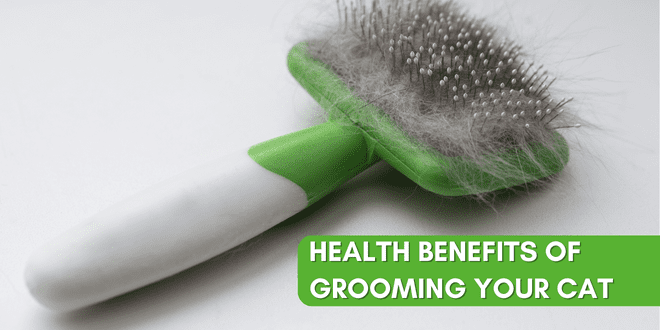
Early detection of health issues through grooming
Grooming is also a health check. When you groom, you can spot lumps, wounds, rashes, or dental odor early. Early detection helps vets treat problems sooner and often more cheaply.
What to look for while grooming:
- New lumps or bumps under the skin.
- Redness, swelling, or hot spots on the skin.
- Changes in coat texture or sudden hair loss.
- Unusual odors around mouth, ears, or anal area.
I found a small lump on a cat’s flank during a routine brush. The vet removed it early, and it was benign. That quick find likely prevented a larger surgery later.

Paw, nail, and hygiene benefits
Trimming nails and checking paws prevent pain and infection. Long nails can snag and cause tears. Dirty paws can hide cuts or foreign objects.
Simple paw care steps:
- Check paw pads and between toes for debris.
- Trim nails every few weeks with proper clippers.
- Clean long-haired paw fur to prevent mats and tracking litter.
A short paw check during each grooming session keeps nails healthy and avoids limping and infections.
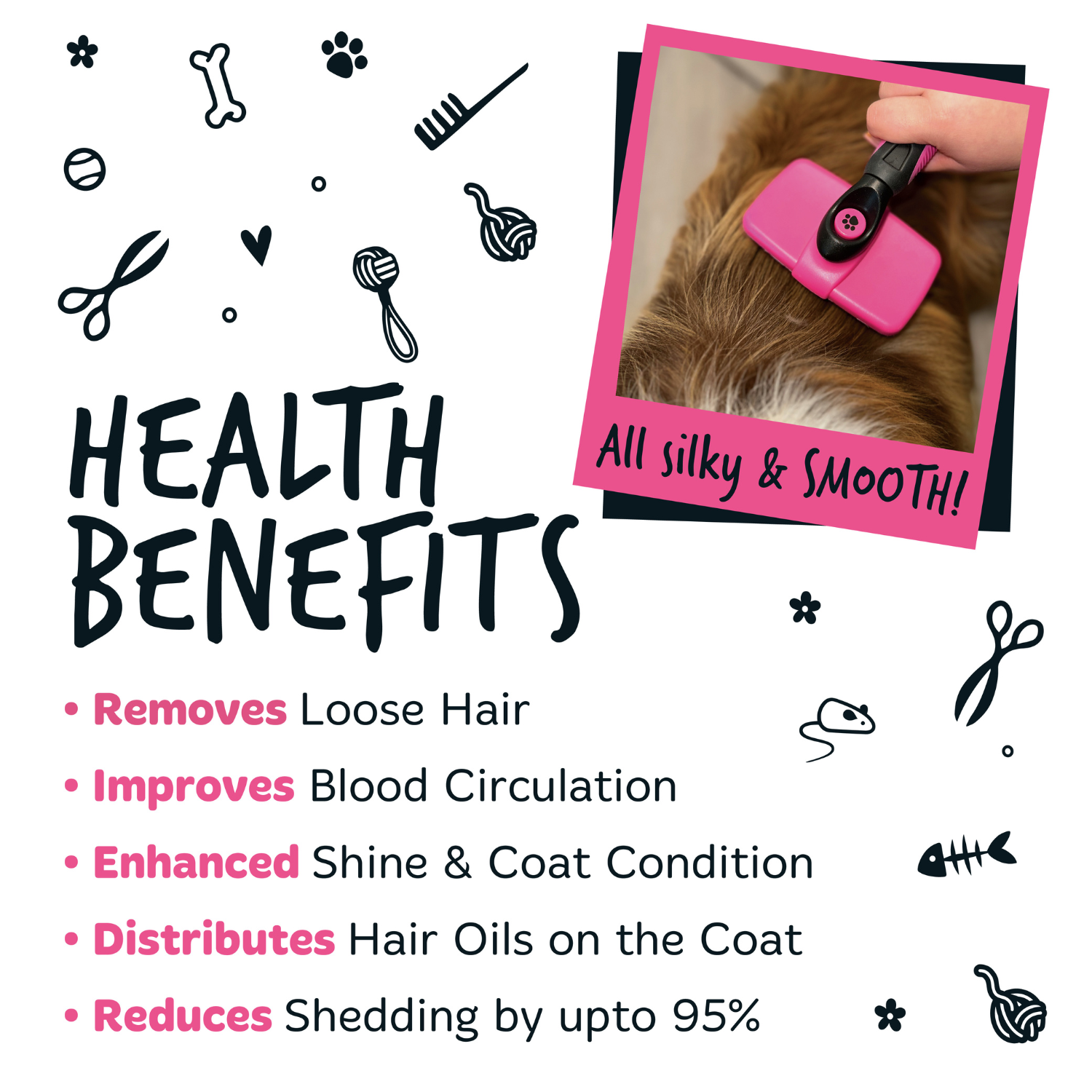
Stress, behavior, and bonding benefits of grooming
Grooming is a bonding time. It builds trust and calms anxious cats. A calm cat grooms itself more and avoids stress-related over-grooming or hiding.
Behavioral benefits include:
- Reduced anxiety when grooming is gentle and regular.
- Less aggressive scratching when fur and nails are managed.
- Better tolerance of vet visits if grooming sessions mimic handling.
I use gentle strokes and treats to make grooming positive. Over time, even shy cats learn to relax and enjoy the routine.

How to groom: step-by-step routine for every cat
A simple routine keeps grooming manageable. Short sessions work best. Use tools that match your cat’s coat type.
Basic grooming routine:
- Start with a few minutes of gentle brushing, working to the skin.
- Check ears and eyes for discharge or odor.
- Trim nails carefully, stopping if your cat resists.
- Wipe the face and rear with a damp cloth if needed.
- Reward with a treat and calm praise.
Tools to have on hand:
- Slicker brush for most coats.
- Wide-tooth comb for tangles.
- De-shedding tool for double coats.
- Cat nail clippers and styptic powder for quick stops.
I once tried long sessions and found they stressed my cat. Five minutes twice a day worked much better and delivered the same benefits.
When to seek a professional groomer or vet
Some tasks need pro help. Mats that pull on skin, persistent skin infections, or behavior that prevents safe grooming require an expert. A vet should evaluate unexplained lumps, severe hair loss, or chronic skin problems.
Signs you need professional help:
- Large, painful mats that do not comb out.
- Signs of infection, like pus or fever.
- Sudden, extensive hair loss or severe itching.
- A cat that becomes aggressive or fearful during grooming.
A professional groomer can safely remove mats and trim nails. A vet can diagnose and treat health problems you discover while grooming.

My top mistakes and lessons learned
I made simple mistakes that taught me more about cat grooming health benefits. Learn from them so you don’t repeat them.
Lessons I learned:
- Don’t force long sessions; short and steady wins trust.
- Match tools to coat type to avoid causing pain.
- Check for pain signs; stop if your cat flinches or hides.
- Be consistent; irregular grooming loses its health benefits.
Small changes in approach gave the biggest health wins in my own pets.
Products and ingredients to avoid
Some products can harm cats. Avoid harsh shampoos and products with toxic ingredients. Always choose cat-specific formulations and check labels.
Red flags to avoid:
- Human shampoos and flea products not labeled for cats.
- Strong fragrances that irritate skin.
- Products with toxic essential oils like tea tree or eucalyptus.
When in doubt, consult your vet before using a new product on your cat.
Building a lasting routine: practical tips
Make grooming part of your week for lasting cat grooming health benefits. Keep sessions short and positive.
Routine-building tips:
- Groom after a calm activity or petting session.
- Keep treats and a friendly tone nearby.
- Track shedding and adjust frequency with the seasons.
- Reward calm behavior to link grooming with comfort.
Consistency matters. A steady, gentle routine protects health and strengthens your bond.
Frequently Asked Questions about cat grooming health benefits
How often should I groom my cat for the best health benefits?
Most cats do well with brushing two to three times per week. Long-haired breeds may need daily grooming during heavy shedding to gain full cat grooming health benefits.
Can grooming reduce vet visits?
Yes. Regular grooming helps catch problems early and reduces infections, which can lower the number of vet visits. It also helps prevent hairball and skin issues that lead to trips to the clinic.
Is professional grooming necessary for all cats?
Not always. Short-haired cats usually need less frequent professional grooming. Long-haired or matted cats may need a pro to avoid skin damage and to gain full cat grooming health benefits.
Are there risks to grooming my cat at home?
Risks include accidental cuts during nail trims and stress if your cat resists. Use the right tools and stop if your cat shows pain, then seek professional help.
How does grooming affect my cat’s behavior?
Grooming can calm cats and reduce stress when done gently. Regular, positive grooming helps your cat tolerate handling and strengthens your relationship.
Conclusion
Grooming delivers real, measurable cat grooming health benefits. It improves skin and coat, cuts hairballs, helps find medical issues early, and supports better behavior. Start small, stay consistent, and use gentle tools. Try a short daily or several-times-weekly routine and watch health and happiness improve. If you found this helpful, try one new grooming step this week, subscribe for more tips, or leave a comment with your grooming wins.

Pingback: How To Groom A Cat: Easy Step-By-Step Guide - pettraiers.com