
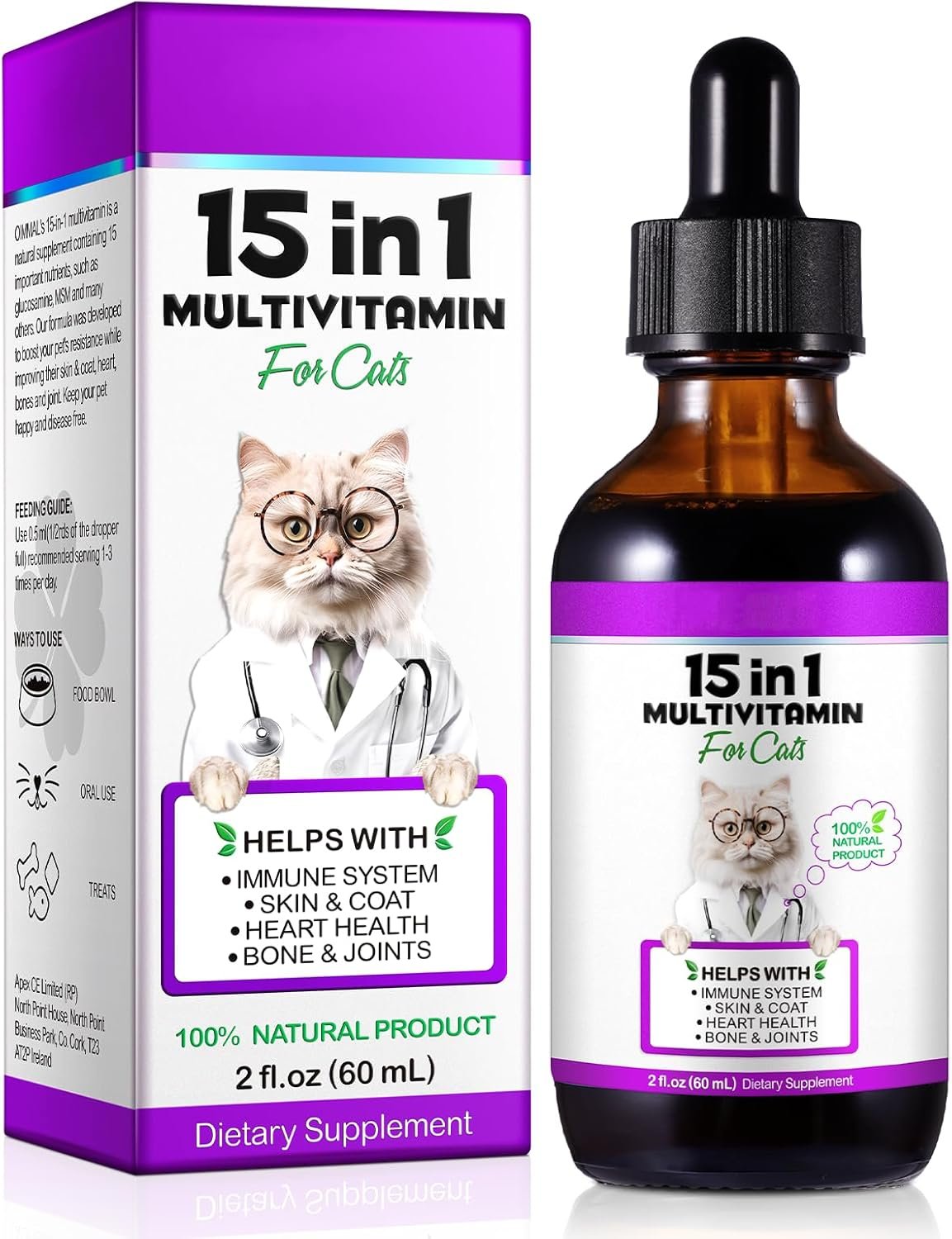
Supplements can help cats when used correctly and under a vet’s guidance.
I’ve spent years helping cat owners choose safe, effective products and testing what works. This cat supplement usage guide draws on hands-on experience and current evidence to help you decide when to use supplements, which ones matter, and how to give them safely. Read on for clear steps, practical tips, and real-life lessons to keep your cat healthy.

Why consider supplements for your cat: benefits and goals
Many cats eat a good diet and need no extra pills. Yet some cats have special needs like joint pain, hairballs, or weak immune systems. This cat supplement usage guide explains how supplements can fill gaps and support long-term health. I’ve seen clear benefits in older cats and picky eaters when supplements matched a real need.
Common supplements and what they do
Cats can benefit from a few well-studied supplements. This cat supplement usage guide covers the most common choices and why they help.
- Omega-3 fatty acids: Support skin, coat, and joint health. Good for inflammation and heart support.
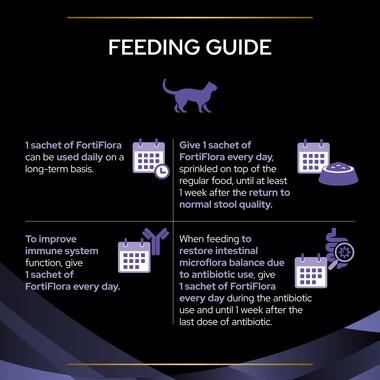
- Probiotics: Help digestion and stool quality. Useful after antibiotics or with chronic diarrhea.
- Glucosamine and chondroitin: Support joint mobility in older cats. Often used with omega-3s.
- Multivitamins: Fill dietary gaps for cats on homemade or limited diets. Use only if a vet advises.
- Taurine: Essential for heart and eye health. Most commercial foods include it, but homemade diets may need it added.
- Digestive enzymes: Aid cats with enzyme deficiencies or aging digestive systems.
- Calming supplements: Ingredients like L-theanine or herbal blends can ease anxiety for travel and noise.
This cat supplement usage guide helps you match a supplement to the specific problem. Always choose a product made for cats and check ingredient lists.

How to choose the right supplement
Pick a product that is safe, effective, and made for cats. This cat supplement usage guide lists steps I use when choosing products for my pets and clients.
- Verify veterinary oversight: Choose brands that consult vets or nutritionists.
- Check the label: Look for guaranteed analysis and clear dosing.
- Avoid human-only products: Many human supplements are unsafe for cats.
- Look for third-party testing: Independent testing reduces risk of contamination.
- Read reviews and clinical notes: Real user feedback and small trials help.
I once chose a joint supplement for a senior cat. I checked the label, dosage, and vet notes. The cat improved mobility within weeks.

Dosage, administration, and routes
Correct dose keeps a supplement safe. This cat supplement usage guide shows simple ways to give pills, pastes, and chews.
- Follow vet dosing: Always start with a vet-recommended dose.
- Use the right form: Powders mix with wet food. Pastes go on the paw. Pills can be hidden in treats.
- Start low and go slow: Begin at half dose for new products and watch for reactions.
- Keep routines simple: Give supplements at same time each day to build habit.
I learned to wrap pills in thin slices of chicken for a shy cat. It worked much better than forcing tablets.

Risks, side effects, and interactions
Supplements are not risk-free. This cat supplement usage guide explains what to watch for and when to stop.
- Allergic reactions: Look for itching, swelling, or vomiting.
- Digestive upset: Diarrhea or decreased appetite can happen with new products.
- Overdosing: Fat-soluble vitamins and minerals can build up and harm organs.
- Drug interactions: Supplements can change how medications work.
If you see strange signs, stop the supplement and call your vet. Be honest about all products your cat takes, including natural remedies.

Special cases: kittens, seniors, pregnant cats, and medical conditions
Different life stages need different care. This cat supplement usage guide helps you tailor choices by age and health.
- Kittens: Most need no extra supplements if on a complete kitten food. Use taurine if feeding homemade diets.
- Senior cats: Joint and probiotic support is often helpful. Monitor kidney health before adding certain supplements.
- Pregnant or nursing cats: Extra vitamins can harm the fetus. Use only vet-approved products.
- Cats with disease: Liver, kidney, and heart disease need tailored plans. Supplements can help but must be chosen with care.
I once recommended omega-3s for a senior cat with arthritis. After bloodwork and consulting the owner’s vet, the cat improved without side effects.

Buying, storing, and quality tips
Good storage and careful buying matter. This cat supplement usage guide gives simple rules to get safe products.
- Buy from reputable sellers: Avoid unknown online sources with no reviews.
- Check expiration dates: Old supplements lose potency and may be unsafe.
- Store properly: Keep in a cool, dry place away from heat and light.
- Inspect packaging: Avoid broken seals or odd smells.
When I switched brands, I tossed old stock and watched the new product closely. Fresh supplements worked better.

Monitoring progress and knowing when to stop
Track results to know if a supplement helps. This cat supplement usage guide outlines clear signs to watch.
- Set goals: Define what you hope to improve—less scratching, better mobility, firmer stools.
- Use short trials: Test new supplements for 4–12 weeks, depending on the issue.
- Keep notes: Record dose, start date, and changes in behavior or health.
- Stop if no benefit or side effects: If you see no improvement in a set time, stop and consult your vet.
I keep a small chart for each cat I work with. That chart makes it easy to see trends and make changes.

Practical tips for giving pills and picky eaters
Many owners struggle to give meds. This cat supplement usage guide shares easy tricks I use with shy cats.
- Hide in wet food or a soft treat: Many cats accept pills this way.
- Use pill pockets designed for cats: They mask taste and texture.
- Try powders or liquids: These mix into food if the product allows it.
- Reward after giving: A quick pet or a treat helps build a positive link.
Patience helps. Small praise and calm handling make a big difference.
When to consult a veterinarian or a nutritionist
Always involve professionals when needed. This cat supplement usage guide highlights when to seek expert help.
- Before starting supplements for chronic disease.
- If your cat is pregnant or nursing.
- When combining supplements with prescription drugs.
- If you see new or severe symptoms after starting a supplement.
Your vet can run tests. A nutritionist can design a full plan for homemade diets.
Frequently Asked Questions of cat supplement usage guide
What is the main reason to use supplements for cats?
Supplements fill gaps in nutrition and support specific issues like joint pain or digestion. Use them only when a vet identifies a need.
Are human supplements safe for cats?
Many human supplements are unsafe for cats. Always choose products labeled for cats and check with a vet before use.
How long should I try a supplement before expecting results?
Most supplements need 4 to 12 weeks to show benefit. If you see no change in that time, stop and consult your vet.
Can supplements interact with my cat’s medication?
Yes. Supplements can alter how drugs work and cause harm. Discuss all supplements with your vet before starting them.
Do all cats need probiotics or omega-3s?
No. Healthy cats on balanced diets often do not need extra probiotics or omega-3s. Use them when a vet recommends based on symptoms or tests.
Is it safe to give multiple supplements together?
Combining supplements can be safe but raises risk of overlap and overdose. Consult your vet to avoid dangerous interactions.
How do I know if a supplement is high quality?
Look for clear labels, vet input, third-party testing, and solid reviews. Avoid vague marketing claims and unknown suppliers.
Conclusion
This cat supplement usage guide gives clear steps for choosing, giving, and monitoring supplements. Use supplements to fill real needs. Start low, watch closely, and always check with a vet. Try one change at a time and record results to see what helps your cat most. If this guide helped, subscribe for updates, leave a comment, or ask a question about your cat’s needs.

Pingback: Purina Pro Plan Complete Review: Honest 2026 Guide - pettraiers.com