
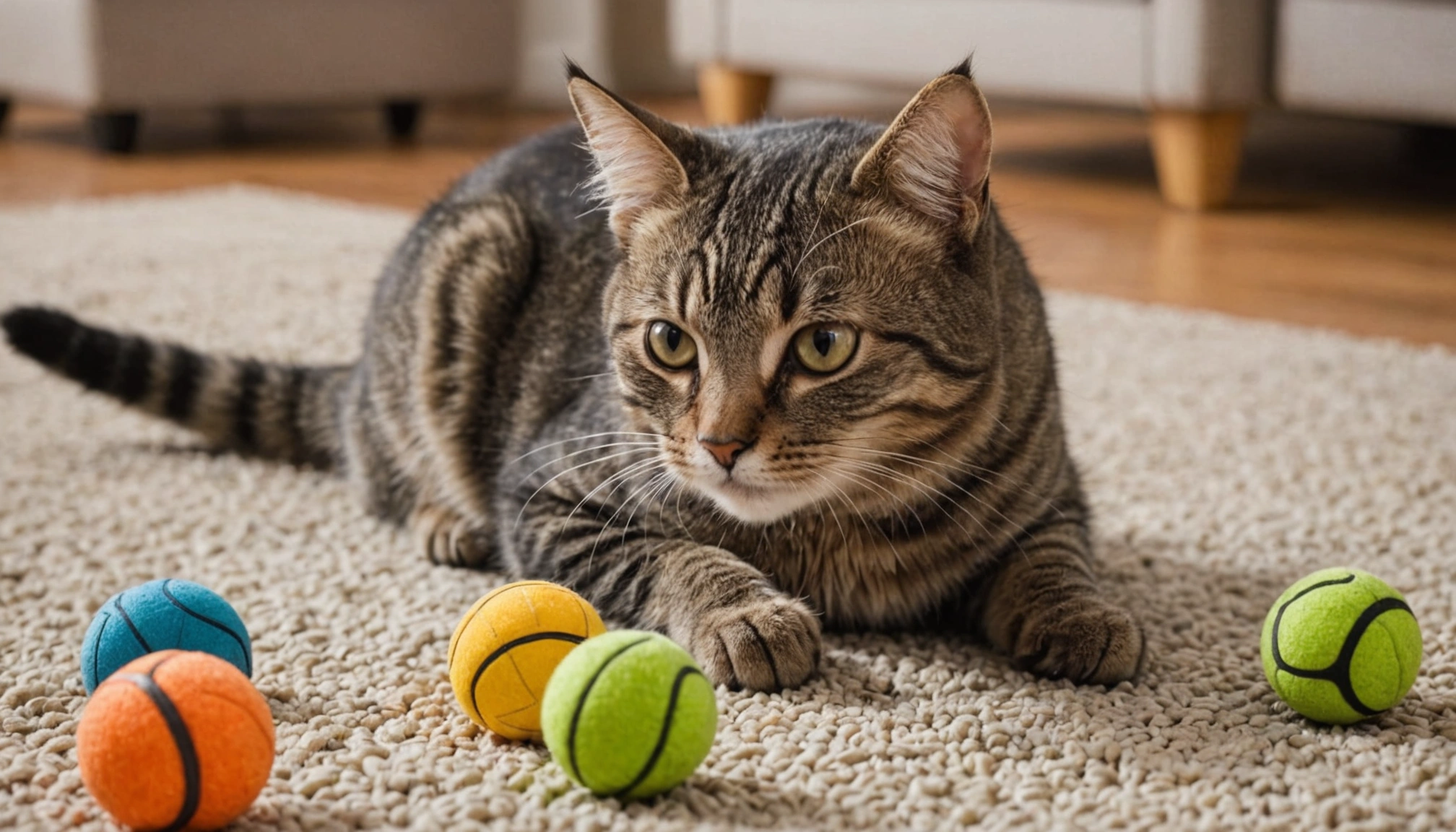
Cats play to hunt, bond, and burn energy; toys meet instinct, curiosity, and comfort.
As a feline behavior consultant and long-time cat owner, I wrote this cat toy behavior guide to help you read play cues, pick the right toys, and build safe, enriching routines your cat will love. This cat toy behavior guide blends research, hands-on testing, and real-life tips so you can understand what your cat is trying to tell you through play.
Why cats play: core behaviors
Cats play for reasons rooted in wild ancestry. Play is practice for hunting skills like stalking, pouncing, and grabbing. This cat toy behavior guide shows how those instincts show up in the living room.
Play also clears energy, eases stress, and strengthens bonds with people. Watching these actions helps you match toys to need. When you know the aim of play, you can guide it toward healthy outlets.
Common toy-driven behaviors and what they mean
Pouncing
- Pouncing shows predatory focus and joy. It often means your cat is engaged and confident.
Stalking and hiding
- Stalking means your cat enjoys slow, careful play. Hide-and-seek toys can satisfy this drive.
Chasing moving toys
- Chasing reveals a high prey drive. Wand toys and laser pointers mimic fleeing prey.
Biting and grabbing
- Grabbing can be over-excitement or a lack of proper outlets. Redirect to soft, chew-safe toys.
Carry and stash
- Carrying toys to a special spot is maternal or territorial behavior. It signals comfort and possession.
This cat toy behavior guide helps you identify each behavior and pick toys or games that reinforce positive habits. Use simple observations: where, when, and how your cat plays to decode meaning.
Types of toys and behavior triggers
Interactive wand toys
- Trigger stalking, pouncing, and chasing. Best for supervised play and bonding.
Puzzle feeders
- Trigger problem solving and slow feeding. Great for cats that eat too fast or need mental work.
Balls and rolling toys
- Trigger chasing and batting. Good for short bursts of active play.
Catnip toys and soft prey
- Trigger rubbing, biting, and rolling. Use for mellow or solo play sessions.
Electronic moving toys
- Trigger relentless chase behavior in some cats. Rotate use to avoid obsession.
Feather toys and strings
- Trigger intense prey sequences. Always supervise strings to avoid swallowing hazards.
This cat toy behavior guide recommends varying these types to meet instincts and mood. Rotate toys to keep novelty high and behaviors healthy.

How to observe and interpret play
Watch body language
- Ears, tail, pupils, and posture tell the story. Dilated pupils and high tail mean high excitement.
Note session length
- Short, intense bursts mimic hunting. Five to ten minutes of focused play is often ideal.
Track times of day
- Many cats peak in dawn and dusk hours. Schedule play near these times for best engagement.
Use toy response as a clue
- If your cat always chases but never bites, they like pursuit. If they bite quickly, offer an immediate soft substitute.
From my practice, a quick log helps. Note toy type, response, and session length for a week. This cat toy behavior guide approach helps identify preferences and tweak routines for better outcomes.

Training, enrichment, and play routines
Build a routine
– Aim for two to three play sessions per day. Keep sessions short and focused.
Use play as training
- Pair toys with commands or rewards. Teach simple cues like “get it” to shape calm play.
Enrich with puzzle feeders
- Replace free-feeding with feed-through-play options. It slows eating and adds mental work.
Rotate and hide toys
- Rotation keeps toys interesting. Hiding toys around the home adds a hunting element.
Introduce solo enrichment
- Leave safe, chewable toys or puzzle feeders for alone time. Electronic toys can add variety but use sparingly.
I learned to combine two short wand sessions before meals. That pattern reduced begging and increased calm after meals. This cat toy behavior guide encourages pairing play with feeding for natural satisfaction.

Safety, cleaning, and toy maintenance
Inspect toys weekly
- Look for loose parts, fraying, or small pieces that can be swallowed. Remove damaged toys immediately.
Safe materials
- Choose non-toxic, durable materials. Avoid items with small detachable parts for cats that chew aggressively.
Clean regularly
- Wash fabric toys on a gentle cycle or hand wash. Replace worn toys to prevent bacteria buildup.
String and cord rules
- Never leave strings, elastic, or ribbons unsupervised. They can cause severe internal injury if swallowed.
Storage and rotation
- Store toys in a box and rotate them every few days. Fresh toys rekindle interest and reduce destructive play.
In my home, a weekly check and a toy bin rotation cut breakage and kept my cats excited. This cat toy behavior guide stresses safety as first priority.
Choosing toys by age, health, and personality
Kittens
- Need lots of short, fast Chase play. Small, soft toys and wand play are ideal.
Adult cats
- Often prefer a mix of chase and puzzle work. Adjust intensity by breed and temperament.
Senior cats
- Favor gentle toys that encourage movement without stress. Soft toys and slow-moving electronic toys work well.
Health considerations
- For dental issues, offer safe chew toys. For overweight cats, choose toys that promote active chasing.
Personality match
- Shy cats may like slow, predictable toys. Bold cats may crave high-intensity prey-like toys.
This cat toy behavior guide highlights tailoring choices. One size does not fit all. Match toys to age, health, and your cat’s unique personality for best results.

Troubleshooting common toy problems
Cat ignores toys
- Try a toy with scent, a different motion, or incorporate treats. Short wand sessions can spark interest.
Toy aggression
- Break sessions into calmer play. Redirect with a soft toy and reward relaxed behavior.
Obsessive chasing
- Reduce free laser play and add puzzles. Teach stop-and-go play so the cat learns to disengage.
Destructive chewing
- Offer safe chew alternatives and supervise play. Avoid toys with small, swallowable parts.
Hoarding and guarding
- Provide multiple copies of top toys and soothe with calm interactions. Avoid punishing guarding behavior; use redirection instead.
When a problem persists, consult a vet or behaviorist. Some issues mask medical conditions. This cat toy behavior guide helps you spot red flags and take the right steps.

Frequently Asked Questions of cat toy behavior guide
How often should I play with my cat each day?
Most cats benefit from two to three short play sessions daily. Each session can be five to fifteen minutes depending on activity level.
Can laser pointers be harmful for play?
Laser pointers can be fun but may frustrate cats if they never catch prey. Pair laser sessions with a tangible toy at the end to give a satisfying capture.
Why does my cat ignore new toys?
Cats may need time to accept novelty or prefer certain motions and textures. Try rotating toys or adding catnip or treats to encourage interest.
Are electronic toys safe for solo play?
Many electronic toys are safe if they are well-made and have no small parts. Monitor for obsessive behavior and retire toys that trigger fixation.
How do I stop my cat from biting toys too hard?
Offer durable, soft toys for bite-release, and teach a calm “drop” cue using treats. Avoid rough play that rewards biting hands or feet.
What if my cat hoards toys and hides them?
Hoarding is often a sign of comfort or resource guarding. Provide more toys, create multiple stash spots, and keep play positive to reduce stress.
Can toys help with anxiety?
Yes. Toys that emulate hunting and problem solving can reduce stress and provide mental outlets. Pair play with calming routines and environmental enrichment.
Conclusion
Understanding your cat’s play is a simple path to a happier, healthier cat. Use this cat toy behavior guide to read signals, choose the right toys, and build clear play routines that match your cat’s instincts and life stage. Start small: try one new toy type and two short daily sessions this week to see how your cat responds. Share what works, subscribe for more tips, or leave a comment about your cat’s favorite games.

Pingback: Chew Toys Vs Interactive Toys: Which Is Better? - pettraiers.com
Pingback: Clumping Litter Vs Non Clumping: Best Choice For Pet Owners - pettraiers.com